
Kilimanjaro Climbing Advice
12 Climbing Kilimanjaro Tips From Experienced Mountain Guides
Practical advice to help you prepare, acclimatise and tackle your Kilimanjaro climb with confidence.
Small decisions can make a big difference on Kilimanjaro. Drawing on more than 15 years of experience guiding climbers on the mountain, we share practical advice on choosing the right route, preparing for altitude, pacing yourself, managing your gear and tackling summit night.
View Group HikesBefore You Climb
What Really Makes the Difference on Kilimanjaro?
Reaching Uhuru Peak is not simply about being the strongest or fastest hiker. Good preparation, sensible acclimatisation, suitable equipment and sound decisions on the mountain all play an important role.
Quick Answer
The best Kilimanjaro advice is simple: give your body enough time, prepare properly and never rush the mountain.
A longer, well-paced itinerary gives your body more time to acclimatise. Good training, reliable gear, regular hydration and honest communication with your guide then help you manage the physical and environmental challenges of the climb.
Acclimatisation
Give your body enough time to adjust as you climb higher.
Preparation
Train for consecutive hiking days rather than speed alone.
Right Gear
Stay warm, dry and comfortable in changing mountain conditions.
Listen to Your Guide
Share how you feel and follow the pace set by your mountain team.
Kilimanjaro is often described as a non-technical mountain because the standard trekking routes do not normally require ropes, rock-climbing skills or specialist mountaineering techniques. That does not make the climb easy. You still have to manage several consecutive hiking days, changing weather, cold conditions and the effects of altitude.
One of the most common mistakes is to focus almost entirely on fitness while underestimating acclimatisation. Being fit helps you cope with the walking, but even very fit climbers can struggle at altitude. A gradual ascent and sensible pace are just as important as physical preparation.
For most climbers, we generally recommend the 8-day Lemosho Route or 7-day Machame Route because both provide a better balance of acclimatisation, scenery and time on the mountain than shorter itineraries.
Preparation also starts well before you arrive in Tanzania. Building hiking endurance, breaking in your boots, learning how to layer clothing and understanding the effects of altitude can all make the trek more manageable. Our Mount Kilimanjaro training plan and Kilimanjaro altitude sickness guide cover these areas in more detail.
The 12 tips below focus on the practical decisions and habits that can make the biggest difference before and during your Kilimanjaro climb.
Climbing Kilimanjaro Tips
Start With the Decisions That Matter Most
Before worrying about small details, get the fundamentals right. Your route, your preparation and the way you approach altitude can influence the entire climb.
Route & Acclimatisation
Choose a Route That Gives You Enough Time to Acclimatise
Kilimanjaro rises to 5,895 metres, so the number of days you spend on the mountain matters. Longer itineraries give your body more time to adapt gradually to the increasing altitude and generally offer a better acclimatisation profile than shorter climbs.
For most climbers, we generally recommend the 8-day Lemosho Route or 7-day Machame Route because both allow more time for acclimatisation while still offering excellent scenery and a well-paced trekking experience.
Best Overall
8-Day Lemosho
Excellent acclimatisation profile, quieter western approach and varied scenery.
Popular Alternative
7-Day Machame
Scenic and well-paced, with good acclimatisation opportunities on a slightly shorter itinerary.
When comparing Kilimanjaro trips, look beyond price. The number of mountain days and the pace of the itinerary can have a major influence on acclimatisation.
Training
Train for Long Hiking Days, Not for Speed
Kilimanjaro is an endurance challenge rather than a race. You need to be comfortable walking for several hours at a steady pace on consecutive days, often over uneven terrain and while carrying your daypack.
Your training should therefore focus on hiking endurance, time on your feet, leg strength and recovery between sessions rather than speed alone. Regular long walks and back-to-back training days are usually more relevant than short, fast workouts.
Our Mount Kilimanjaro training plan explains how to build your fitness progressively before your climb.
A steady hiker with good endurance can be better prepared for Kilimanjaro than a fast runner who is not used to long days on their feet.
Altitude
Don't Underestimate Altitude Because Kilimanjaro Isn't Technical
Kilimanjaro's standard trekking routes do not require technical climbing skills, but altitude remains one of the biggest challenges of the climb. Being very fit does not protect you from altitude sickness.
As you climb higher, some people may experience symptoms such as headache, tiredness, reduced appetite, nausea or disturbed sleep. Any symptoms should be taken seriously and reported to your guide, especially if they worsen or do not improve.
On KHT climbs, our guides carry out daily health checks and may use a pulse oximeter as one part of their assessment. Oxygen-saturation readings are useful information, but they do not replace symptoms, behaviour and experienced guide judgement.
Acclimatisation, a slow ascent and honest communication with your guide are far more important than trying to push through symptoms. You can read more in our Mount Kilimanjaro altitude sickness guide .
Altitude Safety
Never ignore worsening symptoms or try to hide how you feel. If serious altitude illness is suspected, descending is the most important treatment.
Fitness helps you handle the physical workload, but it does not make you immune to altitude sickness. Give your body time, walk slowly and report symptoms early.
On the Mountain
Small Habits Make a Big Difference
Once the trek begins, consistency matters. Your pace, hydration, nutrition and overall comfort can influence how well you recover from one day to the next.
Pace
Walk Slowly — Especially When You Feel Strong
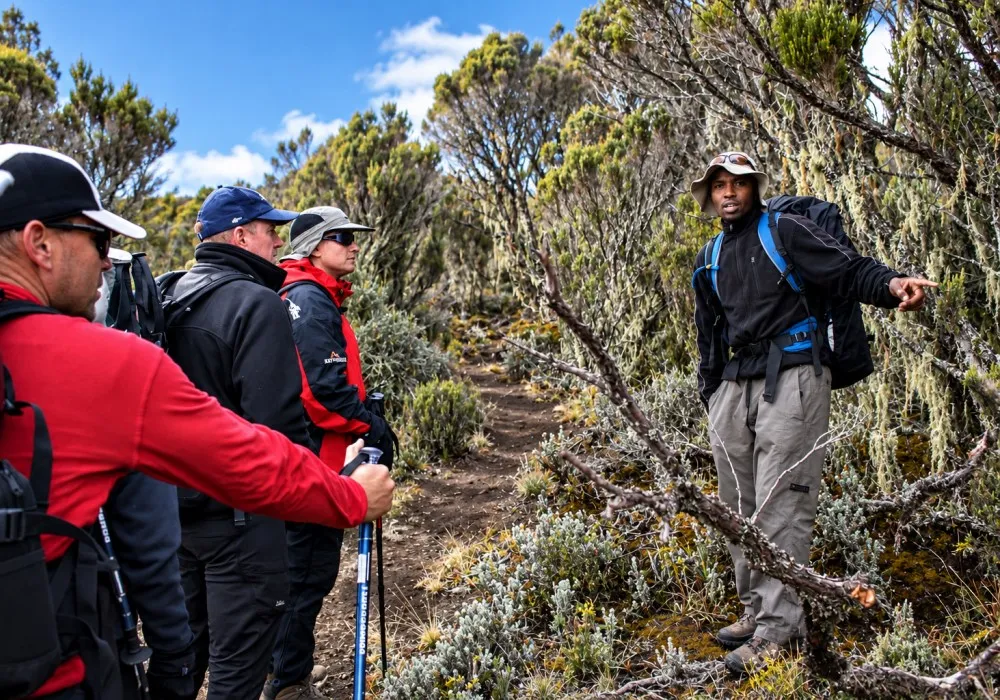
One of the most important habits on Kilimanjaro is learning to walk slowly. Your guides will often use the Swahili phrase pole pole, meaning “slowly, slowly,” because a steady pace helps conserve energy and gives your body more time to adjust as you climb higher.
Many climbers naturally want to move faster on the lower slopes when they feel strong, but that is exactly when it is worth holding back. Kilimanjaro is a multi-day climb, and conserving energy early can make a noticeable difference higher on the mountain.
Pole Pole
Your guide may deliberately set a pace that feels slower than your normal hiking speed. That is intentional. Kilimanjaro is about maintaining a sustainable pace, not covering the trail as quickly as possible.
If the pace feels unusually slow on the lower slopes, that is often a good sign. Save your energy for the higher days and summit night.
Food & Hydration
Eat and Drink Even When Altitude Reduces Your Appetite
Appetite can decrease as you gain altitude, but your body still needs energy for several hours of walking each day. Try to eat regularly, even if you do not feel especially hungry, and make the most of the meals and snacks provided during the trek.
Hydration is equally important. Drink regularly throughout the day rather than waiting until you feel very thirsty. On KHT climbs, boiled drinking water is provided on the mountain, so keep your bottles or hydration system accessible and refill when needed.
Dehydration does not cause altitude sickness, but it can make you feel worse and can produce symptoms such as headache and fatigue that may overlap with altitude-related symptoms.
Drink Regularly
Take frequent drinks during the day instead of waiting until you are very thirsty.
Keep Eating
Eat consistently even when altitude reduces your normal appetite.
Tell Your Guide
Report persistent headache, nausea, unusual fatigue or other symptoms.
Keep your water and a small snack somewhere easy to reach in your daypack. If they are buried at the bottom, you are less likely to use them regularly.
Footwear
Break In Your Hiking Boots Before You Arrive in Tanzania
Your hiking boots should feel familiar before you ever step onto Kilimanjaro. New boots can cause pressure points, rubbing and blisters, especially during long days and steep descents.
Wear them on several training walks with the same socks you plan to use on the mountain. Test them on uneven ground and downhill sections as well as flat trails, because descents are often where poor fit becomes most noticeable.
Our guide to the best hiking boots for climbing Kilimanjaro explains what to look for when choosing footwear, while our Kilimanjaro packing list covers the rest of the equipment you will need for your climb.
Test the exact boot-and-sock combination you plan to use on Kilimanjaro during several longer training walks.
Gear & Organisation
Make Your Gear Work for You
Good equipment matters, but how you organise and use it matters just as much. On Kilimanjaro, a little preparation can prevent small inconveniences from becoming bigger problems on the mountain.
Pack Your Daypack for Changing Conditions
Kilimanjaro passes through several ecological zones, and the weather can change quickly as you gain altitude. Your daypack should therefore contain the items you may need during the day without having to wait until camp.
Keep rain protection, a warm layer, gloves, sun protection, drinking water, snacks and any personal essentials within easy reach. A daypack of around 35 litres is generally a practical size for most climbers.
Pack your daypack in the same order each morning. When the weather changes quickly, you should know exactly where your rain jacket, gloves or warm layer are.
Keep Your Essential Gear Dry
Even when the outer bag or backpack offers some weather protection, important items should still be packed inside waterproof liners or dry bags. Once clothing or sleeping gear becomes wet, it can be difficult to dry properly on the mountain.
Prioritise your sleeping bag, summit clothing, warm layers, socks and gloves. These are the items you most want dry when temperatures drop.
On KHT climbs, your main duffel is carried by a porter and placed inside a larger rubberised holdall for additional protection. We still recommend using a waterproof liner inside your duffel, especially for your sleeping bag and summit clothing.
A waterproof liner inside both your daypack and duffel is a simple, inexpensive way to protect the gear you rely on most.
Don't Test New Gear for the First Time on Kilimanjaro
Kilimanjaro is not the place to discover that your backpack rubs, your gloves are too thin or your hydration system is difficult to use. Test your equipment before departure so you know what works and what needs changing.
Wear your clothing in the combinations you expect to use on the mountain, practise with your daypack fully loaded and make sure your summit-night layers are comfortable together.
If you prefer not to purchase everything, our Kilimanjaro gear rental service is available to KHT climbers and can help with selected equipment.
You can also use our Kilimanjaro packing list to work through your equipment before departure.
Do at least one longer training walk wearing the boots, socks, clothing layers and daypack setup you intend to use on Kilimanjaro.
Familiar gear means fewer surprises and fewer decisions when you are tired, cold or at altitude.
Summit Night & Safety
The Final Climb Is as Much Mental as Physical
Summit night brings together everything you have prepared for: cold, darkness, altitude, fatigue and a long, steady climb towards the highest point in Africa.
Prepare Mentally for Summit Night
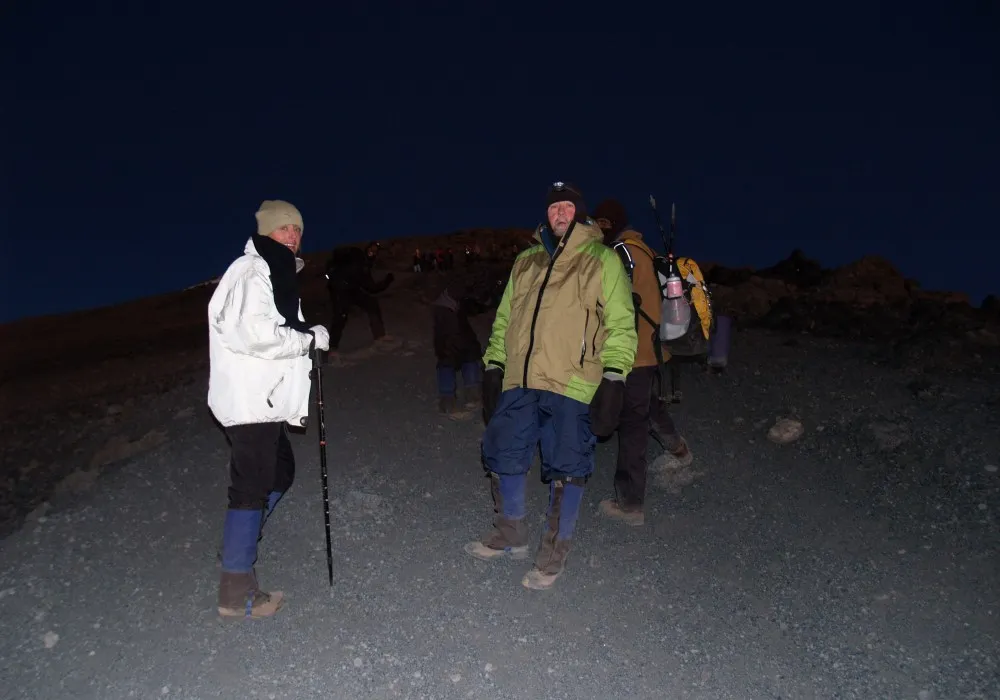
Summit night is usually the longest and most demanding part of the climb. You start in darkness, often after limited rest, and continue for several hours in cold conditions at high altitude.
The pace is intentionally slow, and progress can feel frustratingly gradual. Instead of thinking about the entire climb to Uhuru Peak, focus on smaller goals: the next break, the next section of trail, or simply maintaining a steady rhythm.
Summit night is not about speed. A slow, steady rhythm is exactly what you should expect.
Tell Your Guide How You Really Feel
Do not hide symptoms because you are worried about slowing the group down or missing the summit. Headache, nausea, dizziness, unusual weakness or changes in how you feel should be reported to your guide.
On KHT climbs, our guides carry out daily health checks and may use a pulse oximeter as one part of their assessment. These readings can provide useful information, but they do not replace symptoms, behaviour and experienced guide judgement.
You can learn more about recognising and managing altitude-related symptoms in our Mount Kilimanjaro altitude sickness guide .
Your guide can only make good decisions if you are honest about how you feel. Reporting symptoms early gives the team more information and more options.
When your guide asks how you feel, answer honestly rather than automatically saying, “I’m fine.”
Don't Make Uhuru Peak the Only Measure of Success
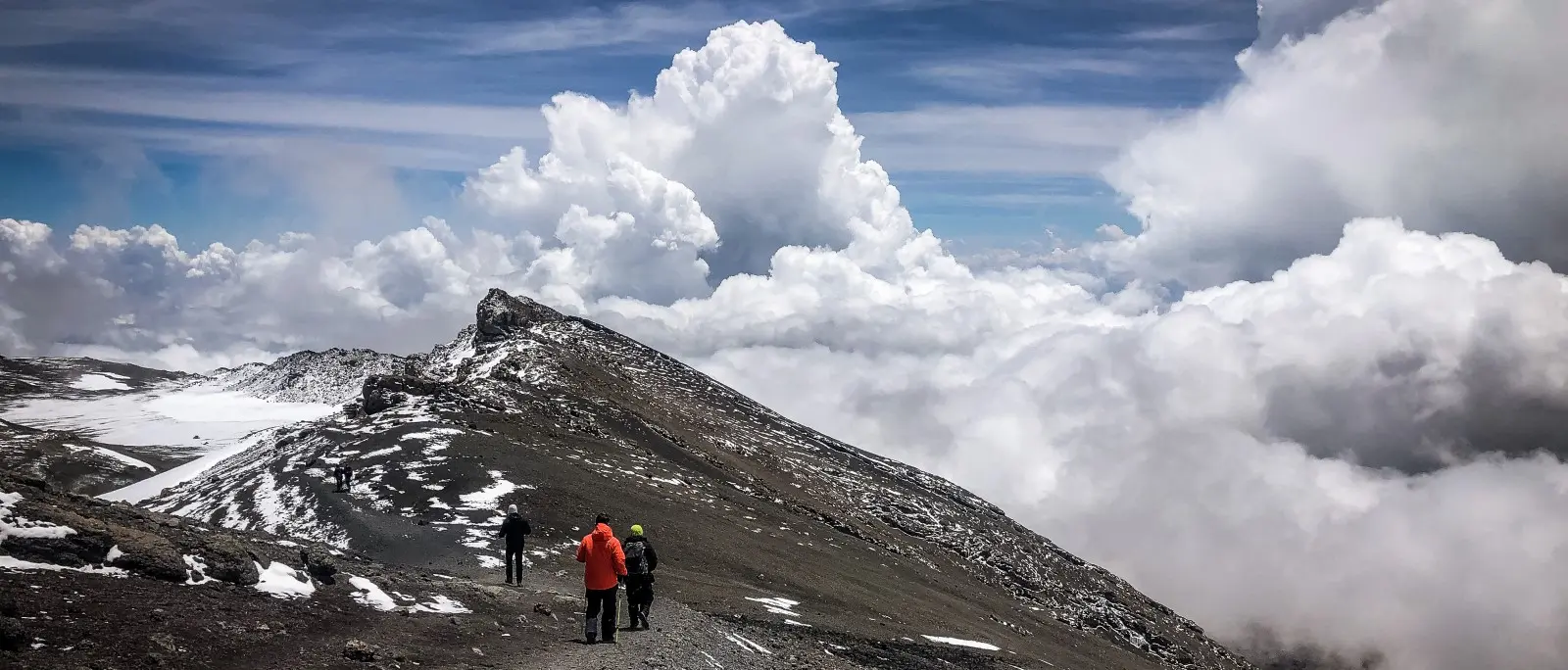
Reaching Uhuru Peak is the goal, but safety must come first. Altitude does not respond to determination, fitness, money or how badly you want to reach the summit.
Turning around can be disappointing, but following your guide's advice when conditions or symptoms require it is the right decision. A safe descent is always more important than forcing a summit attempt.
A successful Kilimanjaro climb is one where you prepare properly, give your best effort, listen to your body and return safely — whether or not you stand on the summit.
Give the climb your best effort, but never let summit pressure override a safe decision.
Before You Go
Kilimanjaro Tips Worth Remembering
The most important Kilimanjaro advice is surprisingly simple: prepare properly, give your body enough time to acclimatise, use reliable gear and make sensible decisions on the mountain.
The best preparation starts long before summit night.
Choose your route carefully, build your hiking fitness, understand the effects of altitude and test your equipment before departure. Once you are on the mountain, walk slowly, stay consistent and work closely with your guide.
Kilimanjaro FAQs
Common Questions Before Climbing Kilimanjaro
These are some of the most common questions climbers ask when preparing for Kilimanjaro, from fitness and altitude to routes, equipment and safety.
Is Kilimanjaro suitable for a first-time high-altitude trekker?
Yes. Many people climb Kilimanjaro as their first high-altitude trek. The standard routes are trekking routes rather than technical climbing routes, so previous mountaineering experience is not normally required.
However, Kilimanjaro should not be underestimated. Good preparation, appropriate hiking fitness and an itinerary that allows enough time to acclimatise are especially important if this is your first experience at significant altitude.
How fit do I need to be to climb Kilimanjaro?
You do not need to be an elite athlete, but you should be comfortable walking for several hours at a steady pace and repeating that effort on consecutive days. Hiking endurance is generally more important than speed.
Regular hiking, hill walking, cardiovascular exercise and strength work can all form part of your preparation. Our Mount Kilimanjaro Training Plan explains how to build your fitness progressively before your climb.
How many days should I spend climbing Kilimanjaro?
We generally recommend choosing a longer itinerary rather than trying to reach the summit as quickly as possible. More days on the mountain allow additional time for gradual acclimatisation.
For most climbers, we recommend the 8-day Lemosho Route as our best overall option, while the 7-day Machame Route is an excellent alternative with good acclimatisation opportunities.
What is usually the hardest part of climbing Kilimanjaro?
For many climbers, summit night is the hardest part. It combines cold temperatures, darkness, fatigue and very high altitude with a long, slow ascent towards the summit.
The challenge is not normally technical climbing. It is maintaining a slow, steady pace, managing fatigue and continuing to communicate honestly with your guide while your body is working hard at altitude.
Do I need technical climbing experience for Kilimanjaro?
No. Kilimanjaro's standard routes are trekking routes and do not normally require ropes, rock-climbing skills or specialist mountaineering techniques.
You will, however, need suitable hiking footwear and clothing, good physical preparation and the ability to walk over uneven mountain terrain for several consecutive days.
Can being very fit prevent altitude sickness on Kilimanjaro?
No. Physical fitness helps you cope with the walking demands of the trek, but it does not make you immune to altitude sickness.
A gradual ascent, slow pace and honest reporting of symptoms are important. Our Mount Kilimanjaro Altitude Sickness Guide explains the symptoms to watch for, how acclimatisation works and why worsening symptoms should never be ignored.
What should I carry in my daypack each day?
Your daypack should contain the equipment you may need while walking, including water, snacks, rain protection, warm layers, gloves, sun protection and personal essentials.
We generally recommend a daypack of around 35 litres. Your main duffel is carried separately by a porter, so you only need to carry the items you may need during the day's walk. Use our Kilimanjaro Packing List to check the clothing and equipment you should bring.
What happens if I feel unwell while climbing?
Tell your guide immediately rather than waiting to see whether the problem disappears. On KHT climbs, our guides monitor climbers throughout the trek, carry out daily health checks and may use a pulse oximeter as one part of their assessment.
Your guide will consider your symptoms, behaviour, progress and other observations when deciding what action is appropriate. Depending on the circumstances, this may involve slowing down, resting, closer monitoring or descending. Safety always takes priority over reaching the summit.
Continue Preparing
More Kilimanjaro Guides to Help You Prepare
Continue your preparation with our detailed Kilimanjaro guides covering training, altitude, equipment and everything you need to organise before your climb.
Prepare to Climb Kilimanjaro
Start here for an overview of the key steps before your trek, including training, equipment, health, hydration and when to begin preparing.
Read the guideMount Kilimanjaro Training Plan
Follow a practical training plan designed to build the hiking endurance, leg strength and fitness needed for consecutive days on Kilimanjaro.
View the training planMount Kilimanjaro Altitude Sickness
Understand how altitude affects climbers, which symptoms to watch for and why acclimatisation and early reporting of symptoms matter.
Learn about altitudeKilimanjaro Packing List
Use our complete packing list to organise your clothing, footwear, daypack and essential equipment before travelling to Tanzania.
View the packing list
Ready to Climb Kilimanjaro?
Put These Kilimanjaro Tips Into Practice
Good preparation is the first step. The next is choosing the right route, itinerary and team for your climb. Kilimanjaro Hiking Tours has been guiding climbers on the mountain for more than 15 years, with small groups, experienced guides and a strong focus on acclimatisation and safety.
Explore our scheduled group climbs or contact us to start planning your Kilimanjaro adventure.