
Kilimanjaro Height & Elevation

How High is Kilimanjaro Mountain?

5,895 m 19,341 feet above sea level

Mount Kilimanjaro stands 5,895 metres (19,341 feet) above sea level, making it the highest mountain in Africa. Its highest point is Uhuru Peak, located on the Kibo volcanic cone.

Highest Mountain in Africa Summit: Uhuru Peak One of the Seven Summits
Since 2008 Kilimanjaro Experience
Small Groups Maximum 12 hikers
KPAP & KRTO Independent Monitoring
Emergency Oxygen Carried on every climb
Daily Health Checks During your climb
The Quick Facts

Kilimanjaro Height at a Glance

Here are the key figures that answer how high Mount Kilimanjaro is, from its summit elevation in metres and feet to its position as Africa's highest mountain.

Height in Metres 5,895 m

The elevation of Uhuru Peak above sea level.

Height in Feet 19,341 ft

Kilimanjaro's summit elevation measured in feet above sea level.

Highest Point Uhuru Peak

Kilimanjaro's summit lies on the Kibo volcanic cone.

African Ranking Highest in Africa

Kilimanjaro is the highest mountain on the African continent.

What Does Kilimanjaro's 5,895-Metre Height Refer To?

When people ask how tall Mount Kilimanjaro is, the figure normally quoted is the elevation of Uhuru Peak above sea level. Uhuru Peak lies on Kibo, the highest of Kilimanjaro's three volcanic cones.

Kibo is not the mountain's only volcanic cone. Mawenzi and Shira are also part of Kilimanjaro — and together, the three cones reveal a fascinating volcanic history.

A VOLCANIC GIANT

Kilimanjaro Has Three Volcanic Cones

Mount Kilimanjaro is formed by three volcanic cones — Kibo, Mawenzi and Shira — each with its own distinctive shape and geological history.

Kibo

5,895 m · 19,341 ft

The highest and youngest of Kilimanjaro's three volcanic cones. Uhuru Peak, the highest point in Africa, lies on Kibo's crater rim.

Mawenzi

5,149 m · 16,893 ft

Mawenzi is Kilimanjaro's dramatic eastern cone and the second-highest of the three. Deep erosion has created its distinctive steep, jagged ridges and pinnacles.

Shira

Kilimanjaro's Oldest Cone

Shira is the oldest and most heavily eroded of the three. Before its caldera formed and extensive erosion took place, estimates suggest Shira may once have stood between 4,900–5,200 metres.

From Volcanic Giant to Climbing Adventure

You don't need technical mountaineering skills to reach Kilimanjaro's highest point on the standard trekking routes. However, altitude is one of the mountain's biggest challenges, which is why choosing an itinerary that gives your body enough time to acclimatise is so important.

Compare Kilimanjaro Routes →
The Climbing Challenge

What Does 5,895 Metres Mean for Climbers?

Kilimanjaro does not require technical mountaineering skills on the standard trekking routes, but reaching almost 6,000 metres above sea level makes altitude one of the biggest challenges of the climb.
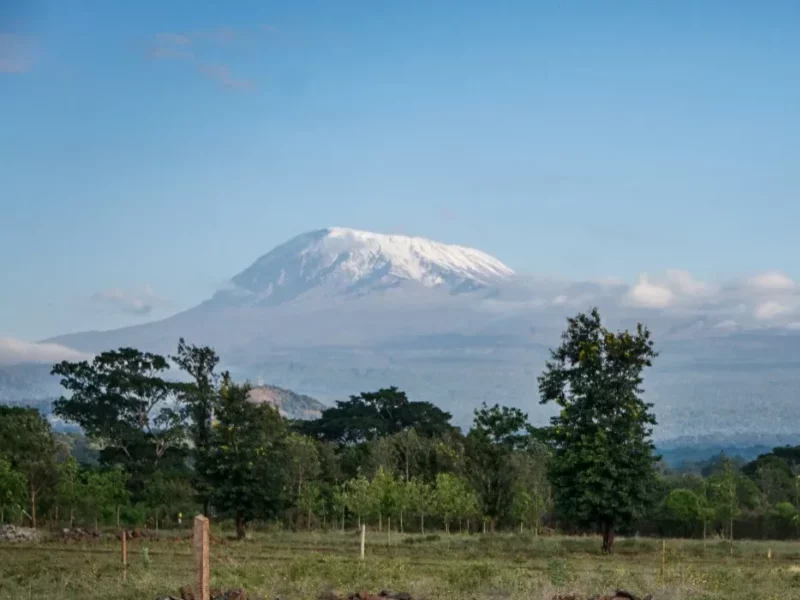
View of Uhuru Peak on Mount Kilimanjaro VIEW TOWARDS UHURU PEAK
Altitude Matters

Fitness Helps — But Your Body Still Needs Time to Adjust

Technically, the percentage of oxygen in the atmosphere remains roughly the same; what falls with altitude is atmospheric pressure and therefore the partial pressure of oxygen.

Acclimatisation is therefore just as important as fitness. A slower ascent gives your body more time to adapt before you reach the highest camps and begin the summit attempt.

Summit Elevation 5,895 m
19,341 ft

Uhuru Peak is Kilimanjaro's highest point. For most climbers, the challenge is not technical climbing but coping with the effects of high altitude while continuing to hike for several consecutive days.

1

Go Slowly

A slow, steady pace helps conserve energy as you gain altitude.

2

Allow Time to Acclimatise

Longer itineraries generally provide more time for your body to adjust gradually.

3

Choose Your Itinerary Carefully

The number of days and the ascent profile can make a meaningful difference to acclimatisation.

KHT Recommendation

Give Yourself Enough Time on the Mountain

We generally recommend longer Kilimanjaro itineraries, such as the 8-day Lemosho Route or 7-day Machame Route, rather than rushing the ascent.

Compare Routes →
Could You Reach 5,895 Metres?

Could You Stand at 5,895 Metres?

Reaching Kilimanjaro's summit is a serious challenge, but you do not need to be a technical mountaineer to attempt it. For most hikers, the journey to Uhuru Peak is a test of preparation, endurance and acclimatisation.

A Trekking Summit

You Don't Need Technical Climbing Skills

Kilimanjaro's standard routes are trekking rather than technical climbing routes. Under normal conditions, climbers hike to the summit with their mountain guides without needing ropes, ice axes or specialist mountaineering skills.

That does not make Kilimanjaro easy. You still need to prepare for several consecutive days of hiking, changing weather, increasing altitude and a demanding summit night.

Prepare Properly

Regular hiking and fitness training help prepare your body for several consecutive days on the trail.

Allow Enough Time

A well-paced itinerary gives you more time to acclimatise and recover between hiking days.

Climb With Experienced Guides

Your mountain team sets the pace, monitors your wellbeing and supports you throughout the climb.

Your Kilimanjaro Adventure

Could Uhuru Peak Be Your Next Challenge?

Explore our recommended Kilimanjaro routes or view our scheduled group departures to start planning your climb.

Climb With Confidence

Why Climb Kilimanjaro With KHT?

Reaching 5,895 metres takes more than choosing a route. Experienced guides, sensible pacing, careful monitoring and well-planned safety procedures all play an important role on Kilimanjaro.

Since 2008

Organising and guiding Kilimanjaro climbs since 2008.

Small Groups

Our scheduled group climbs are limited to a maximum of 12 hikers.

KPAP & KRTO

Independent monitoring helps ensure responsible porter welfare standards are followed.

Emergency Oxygen

Emergency oxygen is carried by our mountain teams on every climb.

Daily Health Checks

Daily health checks help our guides monitor climbers as altitude increases.

Kilimanjaro Hiking Tours

Experience and Preparation Matter on Kilimanjaro

We focus on sensible itineraries, experienced mountain teams, small groups and practical safety procedures, so you can focus on the journey ahead and your goal of reaching Uhuru Peak.

Why Choose KHT →
Kilimanjaro Height FAQs

Frequently Asked Questions

A few quick answers to common questions about Kilimanjaro's height, summit and what it takes to reach Uhuru Peak.

Is Kilimanjaro the highest mountain in Africa?

Yes. Mount Kilimanjaro is the highest mountain in Africa, reaching 5,895 metres (19,341 feet) above sea level at Uhuru Peak.

Where is the highest point on Kilimanjaro?

Uhuru Peak is the highest point on Mount Kilimanjaro. It lies on the crater rim of Kibo at 5,895 metres (19,341 feet) above sea level.

Is Kilimanjaro higher than Everest Base Camp?

Yes. Uhuru Peak on Kilimanjaro stands at 5,895 metres (19,341 feet), while Everest Base Camp on the Nepal side is commonly listed at about 5,364 metres (17,598 feet).

Do you need technical climbing experience to climb Kilimanjaro?

Technical mountaineering experience is not normally required on Kilimanjaro's standard trekking routes. However, climbers should be prepared for several days of hiking, high altitude and a demanding summit attempt.

Your Summit Could Be Next

5,895 Metres. 19,341 Feet. One Unforgettable Summit.

Now that you know 5how high Kilimanjaro is, explore the routes, itineraries and group departures that could be the start of your own journey towards Uhuru Peak.