Packing for Kilimanjaro
The Ultimate Kilimanjaro Packing List
Pack Smart. Stay Comfortable. Arrive Summit Ready.
Know exactly what to pack for Kilimanjaro, from clothing layers and hiking boots to daypack essentials, sleeping gear and summit-night equipment.
Before You Start Packing
Four Things to Know Before You Pack for Kilimanjaro
Packing for Kilimanjaro is different from packing for an ordinary hike. Over several days you will move through changing weather and temperatures, while your main mountain bag must remain within the porter weight limit.
The simplest way to prepare is to understand what goes in your porter-carried duffel, what stays with you in your daypack, and how your clothing layers work together.
Your Duffel Bag
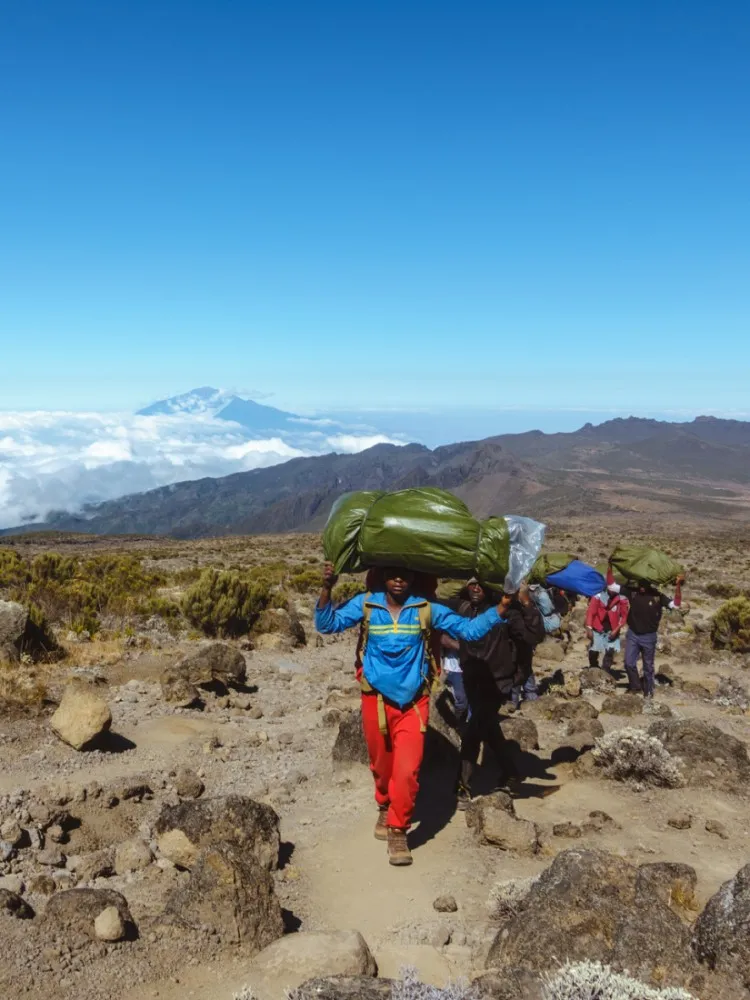
Your main mountain gear travels in your duffel, which is carried between camps by a porter. An approximately 80-litre duffel is suitable for most climbers.
- Maximum mountain weight: 15 kg (32 lb)
- Clothing and spare layers
- Sleeping bag and camp items
- Items you will not need during the day's trek
- Waterproof the contents inside the bag
Your Daypack
Your daypack stays with you throughout each trekking day. Pack everything you may need before reaching the next camp.
- Water and hydration
- Rain jacket and waterproof protection
- Warm layer, gloves and sun protection
- Snacks and personal medication
- Phone, camera, passport and other valuables when required
The Golden Rule: Layer — Don't Overpack
Conditions on Kilimanjaro can change considerably as you gain altitude. Instead of relying on one very heavy item, use a flexible three-layer system: a moisture-managing base layer, an insulating middle layer and a waterproof/windproof outer layer. We explain how to combine these later in this guide.
Complete Gear Checklist
Complete Kilimanjaro Packing Checklist
Use this master checklist as your packing overview. Start with the essential items, then add recommended and optional gear according to your personal needs, the season and the equipment you already own.
Travel Documents
- Valid passport E
- Tanzania visa / entry documents, if required E
- Travel and medical insurance details E
- Health / vaccination documentation, where applicable R
- Copies of important documents R
- Cash / payment cards R
Bags & Waterproofing
- Approx. 80L duffel bag E
- 20–35L daypack E
- Daypack rain cover E
- Waterproof duffel liner or dry bags E
- Small waterproof bags / zip-seal bags for electronics and documents R
- Small luggage locks R
Footwear
- Waterproof hiking boots E
- Trekking socks E
- Warm / thermal socks E
- Liner socks R
- Lightweight camp shoes R
- Waterproof gaiters R
Clothing & Layers
- Base-layer top E
- Base-layer bottoms E
- Fleece / insulating mid-layer E
- Warm insulated summit jacket E
- Waterproof / windproof shell jacket E
- Waterproof outer trousers E
- Quick-drying hiking trousers E
- Hiking shirts / T-shirts R
- Underwear E
- Lightweight rain poncho or rain jacket R
Head, Hands & Warmth
- Warm beanie E
- Balaclava or neck gaiter R
- Liner gloves E
- Insulated waterproof outer gloves E
- Hand warmers O
Trekking Accessories
- Adjustable trekking poles R
- Wide-brim sun hat E
- UV-protection sunglasses E
- Small repair / duct tape O
- Money belt / secure valuables pouch O
Hydration & Sun Protection
- Reusable water bottles E
- Insulated water bottle E
- Hydration bladder, if preferred R
- SPF sunscreen E
- SPF lip balm R
- Electrolyte / sports drink mix R
Sleeping Gear
- Cold-weather sleeping bag suitable for freezing conditions E
- Sleeping-bag liner R
- Dry liner / waterproof storage R
- Warm sleeping clothing R
Personal & Hygiene
- Basic toiletries E
- Toilet paper E
- Wet wipes R
- Hand sanitiser R
- Quick-dry towel R
- Personal waste bags R
Electronics
- Headlamp E
- Spare batteries E
- Power bank R
- Mobile phone R
- Camera O
- Spare camera batteries O
Personal First Aid
- Personal prescription medication E
- Small personal first-aid kit R
- Blister treatment R
- Basic dressings for minor cuts and blisters R
- Insect repellent R
- Any additional medication specifically advised by your doctor R
Snacks & Optional Extras
- Familiar energy snacks you enjoy R
- A mix of sweet and savoury snacks R
- Binoculars O
- GPS / altitude watch O
- Multi-tool O
- Notebook and pencil O
Keep Every Important Item Dry
Mountain weather can change quickly. Even if your duffel or daypack is described as waterproof, protect important clothing, sleeping gear, electronics and travel documents inside waterproof liners or dry bags.
Next: Clothing, Footwear & Summit Layers
Next we explain how to build your Kilimanjaro layering system, choose suitable hiking boots and socks, and prepare the clothing you will need as conditions become colder higher on the mountain.
Clothing for Kilimanjaro
How to Layer Your Clothing for Kilimanjaro
Layering is one of the most important principles when choosing clothing for Kilimanjaro. Conditions can range from warm lower slopes to freezing temperatures near the summit, so your clothing needs to adapt as you gain altitude.
Instead of relying on one heavy jacket, use several functional layers that can be added or removed as the temperature, wind and weather change.
Base Layer
Choose moisture-wicking thermal tops and bottoms made from synthetic or merino-type fabrics. They help move moisture away from your skin while providing the first layer of warmth.
Mid Layer
A fleece or similar insulating layer traps warm air while remaining breathable and comfortable to hike in. Add or remove this layer as temperatures change.
Shell Layer
A waterproof and windproof shell jacket and trousers protect you from rain, wind and snow while allowing you to adjust the insulating layers underneath.
Your warm insulated summit jacket is an additional high-altitude insulation layer and is normally worn beneath your waterproof/windproof shell when conditions require it.
Hiking Boots, Socks & Gaiters
Your feet carry you for several days over changing terrain. Fit, comfort, traction, warmth and keeping your feet dry matter far more than how rugged a pair of boots looks.
Hiking Boots
Choose waterproof, ankle-supporting hiking boots with good traction and a comfortable fit. Most importantly, wear them on training hikes and break them in properly before travelling to Tanzania.
Trekking Socks
Choose comfortable moisture-wicking hiking socks rather than ordinary cotton socks. Good trekking socks help manage moisture and reduce friction.
Warm & Liner Socks
Carry warmer socks for high-altitude and summit conditions. Thin liner socks can provide extra warmth and may help reduce friction inside your boots.
Gaiters
Waterproof gaiters help keep mud, rain, dust and loose scree out of your boots and provide useful lower-leg protection.
Choosing the Best Hiking Boots for Kilimanjaro
Boot fit, waterproofing, support and break-in time deserve more detail than we can cover in a packing checklist. Our dedicated guide explains what to look for before you buy.
Keep These Items With You
What to Carry in Your Kilimanjaro Daypack & on Summit Night
Your porter carries your main duffel, but your daypack stays with you throughout the trek. Pack everything you may need before reaching the next camp, especially water, rain protection, warm layers, snacks, personal medication and valuables.
Your Kilimanjaro Daypack
A practical 20–35 litre daypack is suitable for most climbers. Choose one with comfortable shoulder straps, enough space for your daily essentials and a rain cover or waterproof liner.
-
✓
Water & Hydration Carry enough drinking water for the day in reusable bottles, an insulated bottle and/or a hydration system.
-
✓
Waterproof Layer Keep your waterproof jacket or shell near the top of your pack so you can reach it quickly if the weather changes.
-
✓
Warm Layer Carry an insulating layer even when the day starts warm. Temperatures can drop quickly with altitude, cloud cover or during rest stops.
-
✓
Sun Protection Keep sunglasses, sun hat, sunscreen and SPF lip balm easy to reach throughout the day.
-
✓
Snacks Carry familiar snacks you know you enjoy eating while hiking, including a mix of sweet and savoury options.
-
✓
Personal Medication & Valuables Keep personal medication, passport when required, phone, camera, money and other valuables with you rather than in your porter-carried duffel.
Summit-Night Essentials
Summit night is usually the coldest and most demanding part of the climb. You will use several items together that may have stayed packed during normal trekking days, so organise them before you rest at high camp.
-
✓
Full Layering System Combine your thermal base layers, insulating mid-layers, warm summit jacket and waterproof/windproof shell according to the conditions.
-
✓
Warm Head & Hand Protection Use a warm beanie or balaclava, liner gloves and insulated waterproof outer gloves. Keep spare warmth accessible if your hands become cold.
-
✓
Warm Socks & Boots Wear your broken-in waterproof hiking boots with warm summit socks. Avoid making your boots too tight by adding excessive sock layers, as this can restrict circulation.
-
✓
Headlamp & Batteries Check your headlamp before leaving camp and carry spare batteries. Keep batteries protected from the cold where practical.
-
✓
Insulated Water Bottle Use an insulated bottle for summit night because water can freeze at high altitude. Keep it accessible inside your daypack.
-
✓
Easy-to-Reach Snacks Choose small snacks that are easy to eat during short breaks, even when you are wearing gloves and do not want to unpack your entire bag.
Pack Your Summit-Night Gear Before You Go to Sleep
Before resting at high camp, organise your clothing layers, headlamp, gloves, water, snacks and other summit essentials so everything is easy to find. Preparing in advance avoids searching through your duffel shortly before departure.
Comfort Beyond the Trail
Sleeping, Personal & Health Essentials for Kilimanjaro
Good preparation is not only about clothing and hiking gear. Staying warm at night, keeping personal essentials organised and protecting electronics from cold and moisture can make life on the mountain considerably more comfortable.
Sleeping Gear
Temperatures can fall below freezing at higher camps, so your sleeping system needs to provide reliable warmth throughout the climb.
- Cold-weather sleeping bag: Bring or rent a sleeping bag suitable for freezing mountain conditions. If you tend to sleep cold, choose additional warmth rather than relying on the minimum rating.
- Sleeping bag liner: A liner adds a little extra warmth, helps keep your sleeping bag clean and can make the sleeping system more comfortable.
- Sleeping mattress: KHT provides a standard sleeping mattress on tented routes. Climbers wanting additional cushioning and insulation can arrange an upgraded inflatable mattress.
- Keep sleeping gear dry: Pack your sleeping bag and sleeping clothes inside a waterproof liner or dry bag. Dry sleeping gear becomes especially important as temperatures fall.
Personal & Hygiene
Keep your personal-care kit compact. You need enough to stay comfortable and hygienic without filling valuable duffel space with unnecessary toiletries.
- Toiletries: Pack travel-size toiletries, a toothbrush and toothpaste, hand sanitiser and a small quick-dry towel.
- Wet wipes: Wet wipes are useful for basic personal cleaning when showers are not available on the mountain.
- Toilet paper: Carry your own toilet paper and keep a small amount accessible in your daypack.
- Waste bags: Bring small waste bags for personal rubbish and used hygiene items. Everything brought onto the mountain should be disposed of responsibly.
Electronics & Power
Charging opportunities on Kilimanjaro are limited and should not be relied upon, so arrive with the power you expect to need for the trek.
- Power bank: Bring a fully charged power bank with enough capacity for your phone and other essential electronics.
- Protect batteries from the cold: Cold temperatures can reduce battery performance. Keep your phone, camera batteries and power bank protected from extreme cold, particularly around summit night.
- Headlamp: Install fresh batteries before the climb, test your headlamp and pack a spare set of batteries.
- Phone / camera: Put devices into airplane mode when you do not need connectivity and limit unnecessary screen use to conserve power.
Personal Health Essentials
KHT carries group safety and first-aid equipment, but each climber should still bring the personal medication and basic health items they normally need.
- Prescription medication: Bring enough of your regular prescription medication for the entire trip, plus a sensible contingency supply in case your travel plans change.
- Blister care: Carry the blister products that work for you and treat hot spots early rather than waiting for a blister to develop.
- Personal basics: A small personal kit can include basic dressings and the over-the-counter items you normally use when travelling.
- Altitude medication: If you are considering medication for altitude, discuss it with an appropriate healthcare professional before travelling. Do not rely on medication as a substitute for proper acclimatisation.
- Hydration / electrolytes: Electrolyte sachets or drink mix can be useful if you prefer them, but they do not replace regular water intake.
KHT Safety Equipment
Our mountain teams carry group first-aid equipment and emergency oxygen, and our guides conduct regular health checks during the climb. These are part of our mountain safety procedures and do not replace the personal medication or travel insurance you may require.
Travel insurance reminder: Your travel insurance should specifically cover trekking at Kilimanjaro's maximum altitude of 5,895 m.
Pack a Small Camp Essentials Bag
Keep the toiletries, medication, headlamp, power bank and sleep items you use every evening together inside your duffel. When you reach camp tired, you will know exactly where to find them.
Pack Smarter
Kilimanjaro Packing Tips & Common Mistakes
Packing well for Kilimanjaro is not about taking as much gear as possible. It is about choosing the right equipment, keeping it organised and making sure the things you need during the day are easy to reach.
Smart Packing Tips
-
✓
Pack in layers, not bulky outfits
Temperatures change considerably between the lower slopes, high camps and summit night. A flexible layering system lets you add or remove warmth as conditions change.
-
✓
Keep important items waterproof
Use dry bags or waterproof liners inside both your duffel and daypack. Protect sleeping gear, warm layers, electronics and travel documents even if the outer bag is described as waterproof.
-
✓
Organise gear into smaller groups
Separate clothing, toiletries, electronics, sleeping gear and summit-night equipment into clearly organised bags so you can find what you need without unpacking your entire duffel.
-
✓
Test everything before travelling
Wear your hiking boots on training hikes, walk with your loaded daypack and test how your clothing layers work together before travelling. Kilimanjaro should not be the first time you use important equipment.
-
✓
Keep summit essentials together
Keep your headlamp, spare batteries, gloves, warm hat, insulated layers and other summit-night essentials together so they are easy to find when preparing at high camp.
Packing Mistakes to Avoid
-
!
Packing too much
More gear does not mean better preparation. Duplicate clothing and bulky “just in case” items quickly use up your 15 kg porter allowance.
-
!
Arriving with new hiking boots
Do not arrive with boots that have never been properly worn and tested. Use them during training so you can identify pressure points, fit problems or blister risks before the climb.
-
!
Relying on one heavy jacket
One heavy jacket cannot replace a proper layering system. You need separate insulation and weather protection that can be adjusted as temperature, wind and activity levels change.
-
!
Forgetting spare batteries
Cold temperatures can reduce battery performance. Carry suitable spares and protect your headlamp batteries, phone, camera and power bank from extreme cold where practical.
-
!
Packing valuables in your porter duffel
Keep your passport when required, money, phone, camera, medication and other important valuables in your daypack rather than your porter-carried duffel.
Weigh Your Duffel Before You Leave Home
Your porter-carried mountain duffel is limited to 15 kg (32 lb). Weigh it before travelling and leave a little margin rather than packing exactly to the limit.
Download Your Kilimanjaro Packing Checklist
Download our 2-page Kilimanjaro packing checklist to print at home and tick off your gear as you prepare for your climb.
Bags & Equipment
- Approx. 80L porter duffel
- 20–35L daypack
- Waterproof bag liners
- Trekking poles
- Headlamp
- Spare batteries
- Water bottles / hydration system
- Sunglasses
Clothing Layers
- Moisture-wicking base layers
- Hiking shirts
- Hiking trousers
- Warm mid-layer / fleece
- Warm insulated summit jacket
- Waterproof / windproof shell jacket
- Waterproof trousers
- Warm hat / beanie
Footwear & Hands
- Broken-in hiking boots
- Camp / spare footwear
- Hiking socks
- Warm summit socks
- Gaiters
- Liner gloves
- Insulated waterproof outer gloves
Sleeping & Camp
- Cold-weather sleeping bag for freezing conditions
- Sleeping-bag liner
- Warm sleeping clothes
- Dry bag for sleep clothing
- Optional hand warmers
Personal & Health
- Prescription medication
- Small personal first-aid kit
- Blister treatment
- Sunscreen
- SPF lip balm
- Toiletries
- Wet wipes
- Hand sanitiser
Travel & Electronics
- Passport
- Visa / entry documents where required
- Travel insurance details
- Phone / camera
- Power bank
- Charging cables
- Travel adapter
- Familiar sweet & savoury trail snacks
Kilimanjaro Packing FAQs
Frequently Asked Questions About Packing for Kilimanjaro
These are some of the most common questions climbers ask when preparing their Kilimanjaro packing list and organising gear for the mountain.
How much luggage can I take on Kilimanjaro?
Your porter-carried mountain duffel is limited to 15 kg (32 lb). Your daypack is separate and stays with you while trekking.
Travel luggage that you do not need on the mountain can normally be stored at your hotel during the climb.
What size daypack do I need for Kilimanjaro?
A 20–35 litre daypack works well for most climbers. It should comfortably hold your water, snacks, rain protection, warm layer, sun protection, personal medication and valuables.
Choose one that fits well and has a rain cover or waterproof liner.
Do I need waterproof hiking boots for Kilimanjaro?
Yes. Waterproof hiking boots with good traction and ankle support are strongly recommended. More importantly, they should fit comfortably and be properly broken in before your climb.
For more help choosing footwear, see our Kilimanjaro hiking boots guide .
What should I wear on Kilimanjaro summit night?
Summit night normally requires your full layering system: thermal base layers, insulating mid-layers, a warm insulated summit jacket and a waterproof/windproof shell.
Add warm socks, a beanie or balaclava, liner gloves and insulated waterproof outer gloves.
Do I need a sleeping bag for Kilimanjaro?
Yes. A cold-weather sleeping bag suitable for freezing mountain conditions is required on both the tented Kilimanjaro routes and the Marangu Route.
KHT provides a standard sleeping mattress on tented routes, while selected sleeping equipment can be arranged through our Kilimanjaro gear rental service .
What should I carry in my daypack each day?
Carry everything you may need before reaching the next camp: water, snacks, rain gear, an insulating layer, sunscreen, sunglasses, personal medication, phone or camera and other valuables.
Your porter-carried duffel is not normally accessible while you are trekking.
Can I rent Kilimanjaro climbing gear instead of buying it?
Selected Kilimanjaro equipment is available for rental to hikers booked with KHT. Renting can be practical for specialist gear you are unlikely to use regularly after the climb.
Because sizes and quantities are limited, arrange rental equipment in advance. See our Kilimanjaro gear rental page for current details.
What equipment does Kilimanjaro Hiking Tours provide?
On tented routes, KHT provides the main group camping equipment, including mountain tents, standard sleeping mats, camping chairs, tables, the dining tent and meal cutlery.
Your personal clothing, footwear, sleeping bag and daypack remain your responsibility unless an item has been specifically arranged for rental.
How do I keep my clothes and sleeping gear dry?
Use waterproof liners or dry bags inside both your duffel and daypack. Pay particular attention to sleeping gear, warm clothing, electronics and travel documents rather than relying only on the outer bag to keep everything dry.
What are the most commonly forgotten Kilimanjaro items?
Small items are often the easiest to overlook: spare headlamp batteries, liner gloves, SPF lip balm, waterproof bag liners, personal medication, charging cables and summit-night accessories.
Use the downloadable packing checklist above for your final packing check before travelling.
Ready for Kilimanjaro?
Your Kilimanjaro Adventure Starts Here
Now that you know what to pack, the next step is choosing the right Kilimanjaro route and departure. Compare our recommended routes or join one of our guaranteed group climbs and start planning your trek with an experienced mountain team.