
Hikers trekking on Mount Kilimanjaro while preparing for the health concerns of the climb

Prepare for Kilimanjaro

Kilimanjaro Health Concerns

What Every Climber Should Know

Understand the common health concerns of climbing Kilimanjaro, how to prepare for them and how our guides help monitor your wellbeing throughout the climb.

Since 2008 Guiding Experience
Twice-Daily Health Checks Climber Monitoring
Emergency Oxygen Mountain Safety Equipment
KPAP & KRTO Independent Monitoring Rated Excellent Trustpilot Reviews

Before You Climb

Preparing Your Health for Kilimanjaro

Kilimanjaro is a demanding multi-day trek rather than a technical climb. You do not need to be an elite athlete, but arriving healthy, well prepared and open about any medical concerns gives you the best possible foundation for the climb ahead.

Good preparation starts before you arrive in Tanzania

Your preparation should include more than fitness. Think about your general health, any existing medical conditions, regular medication, hydration habits and whether your clothing and equipment are suitable for changing mountain conditions. If you have any health concerns, discuss the climb with your doctor before travelling and let KHT know about anything that could affect your participation.

Build Trekking Fitness

Prepare your body for several consecutive days of walking by building cardiovascular endurance, leg strength and time on your feet.

Know Your Health

Be realistic about your health and discuss any existing medical condition, previous altitude problems or other concerns with your doctor before travelling.

Arrive Well Hydrated

Develop good hydration habits before your trip and arrive in Tanzania well hydrated. Staying adequately hydrated supports your general wellbeing, although it does not prevent altitude sickness.

Prepare for Changing Conditions

Temperatures, sun exposure and weather can change quickly as you climb. Bring the correct layers, sun protection and equipment so you can stay warm, dry and comfortable.

Preparation Matters

Give yourself time to prepare properly

Good preparation helps you arrive fitter, better equipped and more confident about the days ahead.

Kilimanjaro Preparation Guide

High Altitude

Altitude & Acclimatisation

Kilimanjaro rises to 5,895 metres, so your body needs time to adjust as you climb. Acclimatisation is an important part of every Kilimanjaro itinerary, regardless of your age, experience or fitness level.

Give your body time to adjust

As you gain altitude, less oxygen is available with each breath and your body needs time to adapt. A slower itinerary with more time on the mountain generally gives your body a better opportunity to acclimatise than ascending too quickly.

Ascend gradually

Giving your body more time to adjust as you gain altitude is one of the most important parts of acclimatisation.

Drink regularly

Stay adequately hydrated throughout the trek. Dehydration can make you feel worse, but drinking extra water does not prevent altitude sickness.

Take it slowly

Walk at a steady, comfortable pace and avoid unnecessary exertion. On Kilimanjaro, going faster does not help your body acclimatise faster.

Learn More About Altitude

Read our complete Kilimanjaro Altitude Sickness Guide

Our dedicated guide explains altitude sickness symptoms, acclimatisation, AMS, HAPE and HACE, and what may happen if a climber becomes unwell at altitude.

Kilimanjaro Altitude Sickness Guide

Everyday Health on the Mountain

Hydration, Stomach Problems & Sun Exposure

Not every health concern on Kilimanjaro is related to altitude. Dehydration, stomach problems and too much sun can quickly make a manageable trekking day feel much harder. Many of these issues can be reduced with simple daily habits and early attention.

Hydration & Dehydration

Dry air, physical exertion and changing temperatures can increase your fluid needs on Kilimanjaro. Even mild dehydration can leave you feeling tired, headachy or generally unwell.

  • Drink regularly throughout the day
  • Start each morning adequately hydrated
  • Do not rely on thirst alone
  • Tell your guide if you are struggling to drink or keep fluids down

Stomach Problems

Travel, changes in routine, different foods and physical exertion can sometimes upset your stomach. Nausea, diarrhoea or a reduced appetite can also make it harder to eat and drink enough during the trek.

  • Wash or sanitise your hands regularly
  • Tell your guide if symptoms persist or worsen
  • Keep drinking if you are losing fluids
  • Do not hide symptoms because you are worried about delaying the group

Sun & UV Exposure

UV exposure becomes stronger at altitude and can be easy to underestimate when the air feels cool. Unprotected skin, lips and eyes can still be affected even when temperatures are low.

  • Use a high-SPF sunscreen and reapply it regularly
  • Use an SPF lip balm
  • Wear a hat or other sun protection
  • Wear sunglasses with good UV protection

Small problems are easier to manage when mentioned early

Tell your guide if you develop a persistent headache, stomach upset, difficulty drinking or another problem that is affecting how you feel. Mentioning symptoms early gives your guide a better chance to monitor the situation before it becomes more difficult to manage.

Cold Weather Health

Cold, Hypothermia & Frostbite

Temperatures can change dramatically as you climb Kilimanjaro. Warm conditions lower on the mountain can give way to freezing temperatures higher up, particularly at night and during the summit attempt. Staying warm and dry is an important part of protecting your health.

Staying warm starts with preparation

Cold-related problems are easier to prevent than to deal with once you are already chilled. Your clothing system should allow you to add or remove layers as the temperature, wind and your activity level change.

Dress in layers

Use a moisture-managing base layer, insulating mid-layers and a protective outer layer so you can adjust your clothing as conditions change.

Keep clothing dry

Wet clothing loses much of its insulating value. Protect spare clothing inside your duffel and change out of damp layers when necessary.

Protect hands, feet and head

Warm gloves, suitable socks, a warm hat and properly fitting boots are especially important in colder conditions.

Eat, drink and keep moving

Your body needs fuel and fluids to stay warm and keep working efficiently. Eat and drink regularly, and maintain a steady pace rather than standing still for long periods in the cold.

Whole-Body Cooling

Hypothermia

Hypothermia develops when your body loses heat faster than it can replace it, causing your core temperature to fall.

  • Persistent or intense shivering
  • Unusual tiredness or weakness
  • Clumsiness or poor coordination
  • Confusion or unusual behaviour
Local Cold Injury

Frostbite

Frostbite is a freezing injury that can affect exposed or poorly protected tissue. Fingers, toes, ears and the nose are especially vulnerable.

  • Numbness or loss of normal sensation
  • Tingling or unusual discomfort
  • Pale or unusually firm skin
  • An area that remains unusually cold or difficult to warm

Summit night deserves special attention

The summit attempt usually takes place during the coldest part of the night and at the highest elevations of the climb. Have your warmest layers, gloves, head protection and suitable footwear ready before you leave camp, and tell your guide immediately if you become unusually cold, numb, confused or unsteady.

Looking After Your Body

Feet, Blisters, Knees & Physical Strain

Kilimanjaro involves several consecutive days of walking over uneven and sometimes steep terrain. Small problems with your feet, knees or muscles can become much harder to manage if they are ignored, so prevention and early attention are important.

Feet & Blisters

Blisters are usually caused by friction, moisture or footwear that does not fit properly. On a multi-day trek, a small hotspot can quickly become painful if it is ignored.

  • Break in your hiking boots before the climb
  • Wear well-fitting socks that help manage moisture
  • Keep your feet as dry as possible
  • Deal with rubbing or hotspots before they become blisters

Knees & Descending

Long descents can place considerable strain on your knees, especially after the summit attempt when your legs are already tired. Good preparation and a controlled pace can make descending more comfortable.

  • Include hills and downhill walking in your training
  • Use trekking poles if you are comfortable with them
  • Take controlled steps rather than rushing downhill
  • Tell your guide if knee pain starts affecting the way you walk

Muscle Fatigue & Physical Strain

Tired legs, general muscle soreness and fatigue are common during a multi-day trek. Pain that becomes severe, keeps worsening or changes the way you walk should not simply be pushed through.

  • Build walking endurance before your trip
  • Keep your daypack as light as practical
  • Eat and drink regularly during the trek
  • Speak to your guide if discomfort feels more serious than normal trekking fatigue

Do not wait until a small problem becomes a big one

Tell your guide early if you develop a blister, persistent pain or difficulty walking. Small issues are often easier to manage before they begin affecting your pace, balance or ability to continue comfortably.

Breathing & Respiratory Comfort

Colds, Coughs & Respiratory Issues

Cold, dry air, dust and several days of exertion can sometimes irritate the nose, throat and airways. A mild cough or dry throat may simply be due to irritation, but any noticeable change in your breathing should be mentioned to your guide.

Why coughing can happen on Kilimanjaro

As you climb higher, the air becomes colder and drier, and some trails can also be dusty. Combined with heavier breathing during exertion, this can irritate your throat and airways and contribute to coughing.

Cold, dry air

Cold, dry air can irritate your throat and airways, particularly higher on the mountain.

Dust & irritation

Some sections of the trail can be dusty in dry weather. Covering your mouth and nose with a buff can help reduce the amount of dust you breathe in.

Keep drinking

Drinking regularly can help keep your mouth and throat more comfortable while also supporting your general hydration.

Respiratory symptoms and altitude can overlap

Coughing, fatigue and breathing changes can sometimes occur alongside altitude-related illness. Do not assume a worsening cough or unusual breathing difficulty is simply due to cold air or dust — tell your guide so it can be assessed properly.

Before You Travel

Medical Conditions, Medication & Travel Health

Your personal medical history matters when planning a high-altitude trek. Existing health conditions, regular medication and your general travel-health preparation should be considered before you leave home, rather than once you are already on the mountain.

Speak to your doctor if you have medical concerns

KHT can explain the nature of the trek, the daily walking involved and the conditions you can expect on Kilimanjaro, but we cannot provide individual medical clearance. If you have an existing medical condition, a history of altitude-related problems or any concern about how the climb could affect your health, discuss it with a qualified healthcare professional who knows your medical history before travelling.

Existing Medical Conditions

Having an existing medical condition does not automatically mean you cannot climb Kilimanjaro, but whether the trek is appropriate for you depends on your individual circumstances.

  • Discuss relevant medical conditions with your doctor before travelling
  • Be realistic about your current health and fitness
  • Tell KHT about any condition that could affect your participation
  • Do not wait until you are on the mountain to disclose an important health issue

Regular Medication

Plan your regular medication carefully so that you have what you need throughout the trip and can access important medicines when necessary.

  • Bring enough medication for the entire trip, with some extra where appropriate
  • Keep essential medication readily accessible
  • Follow the instructions given by your doctor or pharmacist
  • Tell your guide about medication that may be relevant in an emergency

Travel Health Preparation

Your preparation should also include the wider health requirements of international travel, not only the days you spend on the mountain.

  • Check current vaccination and travel-health advice before departure
  • Arrange suitable travel insurance for your trip
  • Bring any personal medicines recommended for you
  • Allow yourself time to recover fully if you are ill before the climb
Tell Us Before Your Climb

Help us understand anything that could affect your climb

Please tell us about any medical condition, medication or other health issue that could affect your participation in the trek. This helps us prepare appropriately and gives your mountain team relevant information if you become unwell during the climb.

Start Planning Your Kilimanjaro Climb

Health Monitoring on the Mountain

How KHT Looks After Your Health on Kilimanjaro

Your guides spend every day with you and are well placed to notice changes in how you are feeling. Regular health checks, open communication and experienced guide observation help the team monitor your wellbeing throughout the climb.
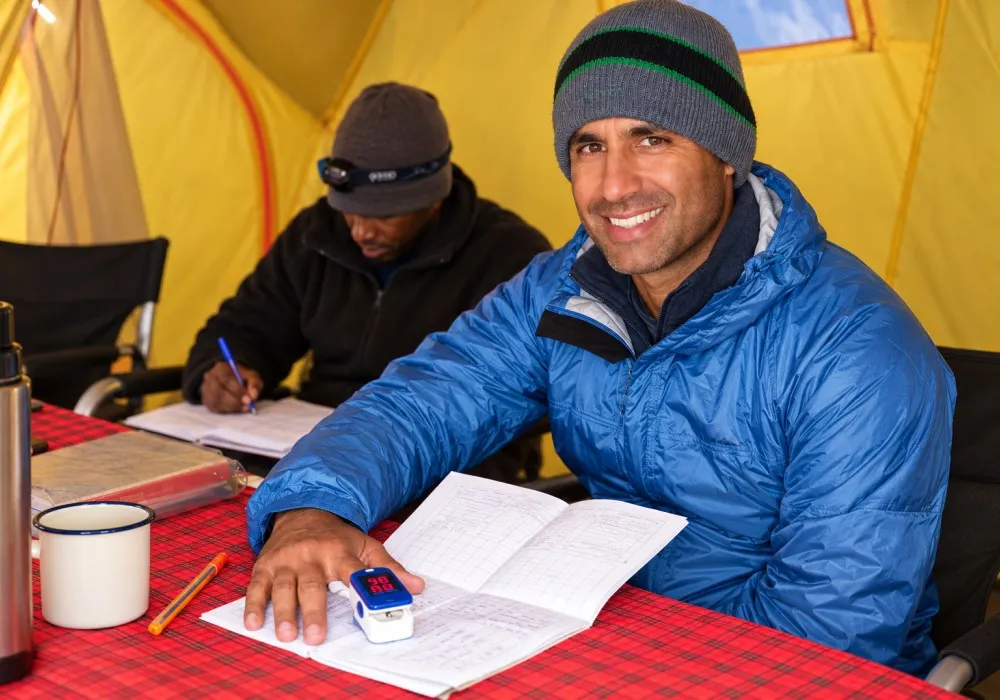
Guide conducting a health check on a hiker during a Kilimanjaro climb
Regular health monitoring

Our guides check how climbers are feeling and record relevant observations during the trek.

Monitoring is more than taking a single reading

A pulse oximeter provides useful information, but it is only one part of the overall assessment. Your guides also consider your symptoms, energy levels, breathing, coordination, appetite and general wellbeing rather than relying on a single reading alone.

Twice-Daily Health Checks

Climbers receive health checks twice a day so that changes in how they are feeling can be noticed and discussed early.

Pulse Oximeter Monitoring

Pulse and oxygen-saturation readings form part of the overall picture your guides use when assessing how you are coping with altitude.

Experienced Guide Observation

Your mountain team pays attention to changes in how you walk, talk, eat, breathe and recover, while encouraging you to report symptoms honestly.

Emergency Oxygen

Emergency oxygen forms part of our mountain safety equipment and may be used when appropriate as part of the response to a climber becoming unwell.

If Someone Becomes Unwell

Continuing upward is never more important than your safety

If your guides are concerned about your condition, they may stop your ascent, monitor you more closely or arrange for you to descend. Where necessary, the mountain rescue system may also be used. The appropriate response depends on your symptoms and the situation, but worsening symptoms should never be ignored simply to continue towards the summit.

Tell your guide how you really feel

Health monitoring works best when climbers communicate openly. Do not hide headaches, nausea, breathing difficulties, unusual fatigue, pain or other symptoms because you are worried about missing the summit. Reporting changes early gives your guide the best opportunity to assess how you are feeling and respond appropriately.
Frequently Asked Questions

Kilimanjaro Health Concerns FAQ

These are some of the most common health questions climbers ask when preparing to climb Kilimanjaro.

What are the main health concerns when climbing Kilimanjaro?

Altitude is the most important health consideration on Kilimanjaro, but climbers may also experience dehydration, stomach problems, sun exposure, cold, blisters, muscle or knee discomfort and respiratory irritation. Good preparation and reporting symptoms early can help your guides monitor and respond to problems appropriately.

Do I need to be extremely fit to climb Kilimanjaro?

You do not need to be an elite athlete, but Kilimanjaro involves several consecutive days of trekking and a long summit attempt. Good cardiovascular endurance, leg strength and experience walking for several hours at a steady pace will make the climb more manageable.

Can a very fit person still get altitude sickness?

Yes. Physical fitness does not make you immune to altitude sickness. How well your body acclimatises is not simply a reflection of strength or fitness, which is why gradual ascent, a sensible pace and honest symptom reporting are important for every climber.

Read our Kilimanjaro Altitude Sickness Guide for more detailed information.

Does drinking lots of water prevent altitude sickness?

Staying adequately hydrated is important for your overall wellbeing, but drinking extra water does not prevent altitude sickness. Acclimatisation depends mainly on giving your body enough time to adapt as you ascend.

Should I take Diamox for Kilimanjaro?

Diamox (acetazolamide) is a prescription medication sometimes used to help with altitude-related illness. Whether it is appropriate for you should be discussed with a doctor who knows your medical history. KHT does not prescribe medication or advise individual climbers on dosage.

Can I climb Kilimanjaro with an existing medical condition?

An existing medical condition does not automatically mean you cannot climb, but whether Kilimanjaro is appropriate for you depends on your individual circumstances. Discuss the trek with your doctor and tell KHT about any condition that could affect your participation before your climb.

How does KHT monitor climbers during the trek?

Our guides conduct twice-daily health checks and use pulse oximeters to record pulse and oxygen-saturation readings. They also pay attention to symptoms and changes in your breathing, coordination, appetite, energy and general wellbeing.

What happens if I become unwell on Kilimanjaro?

Your guide will assess how you are feeling and decide on the appropriate response. Depending on the circumstances, this may include additional monitoring, stopping your ascent or arranging for you to descend. Emergency oxygen forms part of KHT’s mountain safety equipment, and the mountain rescue system may also be used where necessary.

Have a health question specific to you?

We can explain what the Kilimanjaro trek involves, how our mountain team operates and what to expect during the climb. For personal medical advice or medical clearance, please speak to a qualified healthcare professional who knows your medical history.

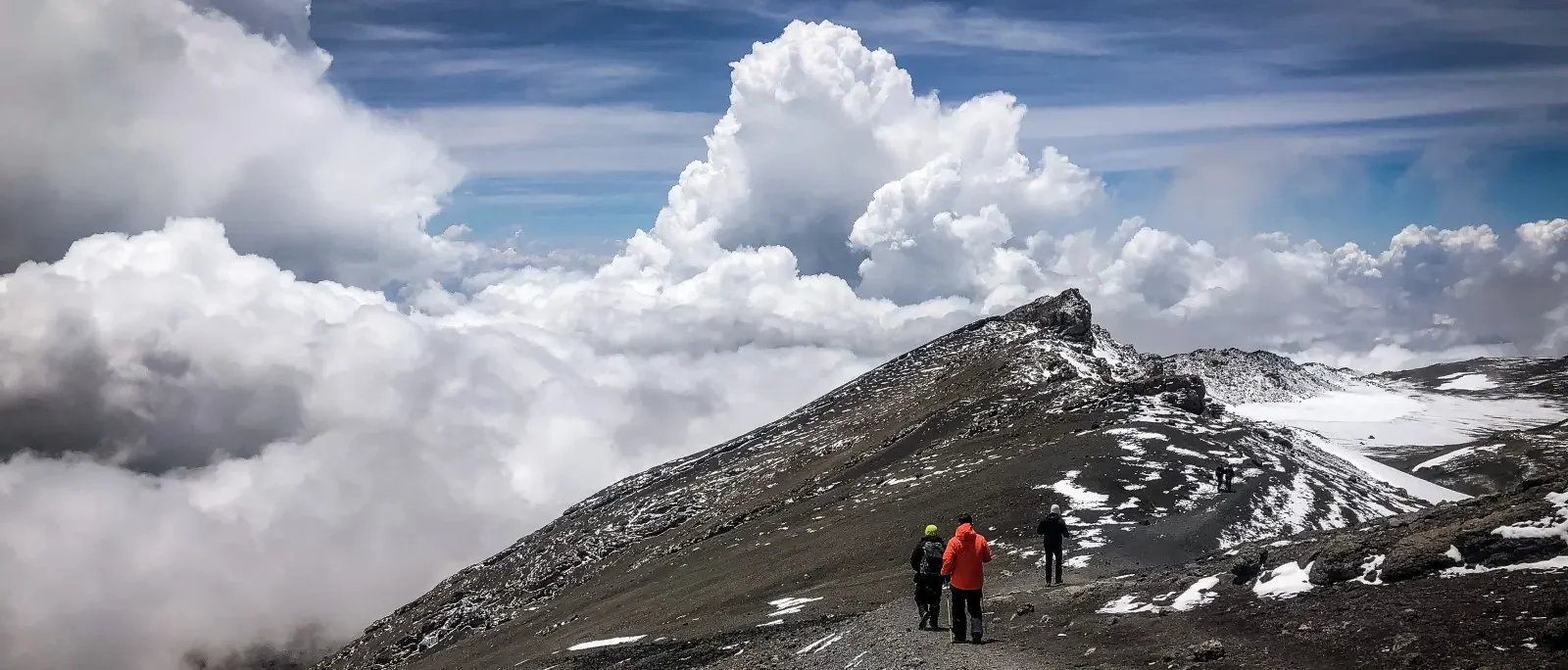
Hikers walking above the clouds on Mount Kilimanjaro

Ready for Kilimanjaro?

Ready to Start Planning Your Kilimanjaro Climb?

Good preparation, a well-paced itinerary and an experienced mountain team are important parts of a successful Kilimanjaro experience. Explore our upcoming group climbs or contact us to start planning your own Kilimanjaro adventure.

Since 2008 Small Groups Experienced Guides