Your Kilimanjaro Adventure Starts Here
Kilimanjaro Hiking Tours
Climb Mount Kilimanjaro with Experienced Local Guides
Join us for a small-group or private Mount Kilimanjaro hike with experienced local guides. We combine carefully planned itineraries, daily health checks and responsible trekking practices to help you reach Uhuru Peak safely and successfully.
Why Climb With Us?
Why Choose Kilimanjaro Hiking Tours?
Choosing the right Mt Kilimanjaro hiking tour is one of the most important decisions you will make before your climb. Led by Kilimanjaro specialists with experience dating back to 2008, we combine expert local guides, responsible trekking and carefully planned itineraries to give you a safe, personal and memorable mountain experience.
Expert Local Guides
Experienced English-speaking guides lead every hike. They know all the Kilimanjaro routes. They understand how to manage altitude, pace and changing mountain conditions throughout your climb.
Your Safety Comes First
We send qualified guides, emergency oxygen, first-aid kit and pulse oximeters on every Kilimanjaro hiking tour. The guides have proper emergency guidelines to help you climb with confidence.
Responsible Trekking
Kilimanjaro Hiking Tours promote fair porter treatment, proper equipment, ethical working conditions and responsible tourism that supports local communities and protects Kilimanjaro.
Small Group sizes
Our scheduled departures are limited to a maximum of 12 hikers. This creates a friendly atmosphere and allow your guides to provide more personal attention.
Daily Health Checks
Our guides monitor each climber throughout the trek. This include using regular health assessments, pulse oximeter readings and careful altitude-symptom monitoring.
Carefully Planned Routes
We recommend proven routes and longer itineraries. This provide better acclimatisation, at a comfortable pace and better chance of reaching the summit.
Learn More About How We Climb
Climb with Confidence
Discover how our experienced mountain crew, daily health checks and responsible trekking practices help make your Kilimanjaro adventure safer and more enjoyable.
Trusted Kilimanjaro Operator
Why Hikers Trust Kilimanjaro Hiking Tours
Choosing a Kilimanjaro operator is about more than price. You need an experienced mountain team, responsible trekking practices and a company you can trust from your first enquiry until you return from the summit.
Responsible Trekking
Independently Monitored
Partner for Responsible Travel with porter-welfare monitoring through KPAP and KRTO.Verified Reviews
Rated Excellent
Genuine feedback from clients who travelled with Kilimanjaro Hiking Tours.Kilimanjaro Experience
Guiding Since 2008
Experienced local guides and personal support throughout your Kilimanjaro journey.Responsible Trekking
Porter Welfare You Can Verify
Kilimanjaro Hiking Tours participates in the Partner for Responsible Travel programme. Our mountain operations are monitored to promote fair porter treatment, suitable equipment, proper meals, responsible load limits, transparent tipping and ethical working conditions.
- ✓ Fair treatment of mountain crew
- ✓ Porter equipment and welfare checks
- ✓ Responsible load and working standards
- ✓ Independent monitoring of mountain operations
Verified Customer Reviews
What Our Kilimanjaro Climbers Say
Real experiences shared by clients who climbed or travelled with Kilimanjaro Hiking Tours.A Trip That Exceeded Expectations
Communication was quick and helpful from the beginning. The climb, guides and safari arrangements exceeded our expectations, and the team helped make reaching the summit an unforgettable experience.
Professional Guides and Excellent Support
The guides were professional, supportive and always attentive to our safety. The food was excellent and the entire mountain crew encouraged us throughout the climb.
Well Planned From Beginning to End
The journey was carefully planned and professionally managed. The guides and mountain crew provided wonderful support, and the meals throughout the climb were impressive.
Everything Was Smoothly Organised
The organisation made the experience easy and stress-free. Every part of the journey was handled professionally, allowing us to focus on enjoying the mountain and the adventure.
An Unforgettable Summit Experience
The climb was well organised and the guides gave us the encouragement and support we needed to reach the summit. It was a memorable experience from preparation through to Uhuru Peak.
Every review shown above comes from a genuine client who travelled with Kilimanjaro Hiking Tours.
Read all reviews on Trustpilot ↗Compare Kilimanjaro Routes
Which Kilimanjaro Route
Is Right for You?
Choosing the right route is one of the most important decisions when planning a Kilimanjaro hiking tour. Compare 3 of the most popular routes based on acclimatisation, scenery, duration, accommodation and overall experience.
Quick Recommendations
Find the Best Kilimanjaro Route for You
Compare the Routes
Kilimanjaro Route Comparison
We always recommend longer routes because gradual ascent gives your body more time to acclimatise. Compare the features of Lemosho, Machame and Marangu below.
Lemosho Route
Scenic · Remote · Excellent acclimatisation
- Recommended duration
- 8 Days
- Difficulty
- Moderate
- Summit success
- Very High
- Accommodation
- Tents
- Scenery
- Excellent
- Crowds
- Moderate
First-time or experienced hikers who want an excellent acclimatisation profile, beautiful scenery and a quieter start.
Machame Route
Popular · Scenic · Excellent value
- Recommended duration
- 7 Days
- Difficulty
- Moderate
- Summit success
- High
- Accommodation
- Tents
- Scenery
- Excellent
- Crowds
- Busy
First time or experienced hikers looking for a balance of scenery, challenge, acclimatisation and good value for money.
Marangu Route
Mountain huts · Established trail
- Recommended Duration
- 6 Days
- Difficulty
- Moderate
- Summit success
- Medium
- Accommodation
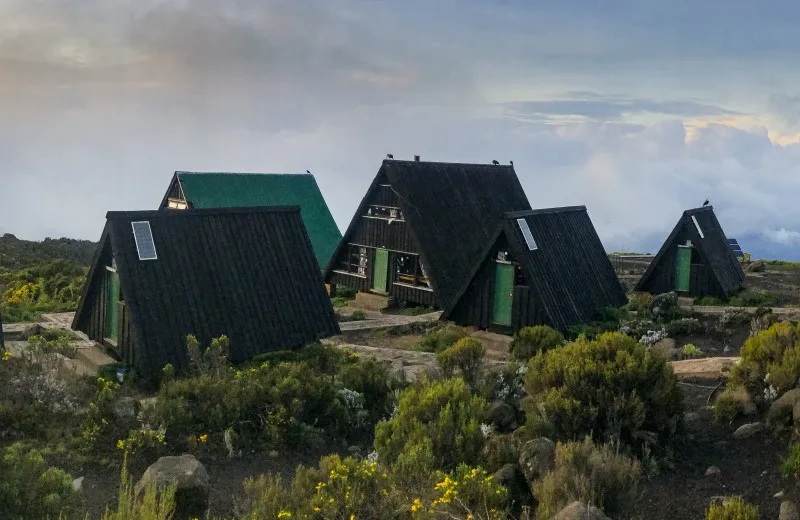
- Huts
- Scenery
- Good
- Crowds
- Busy
Hikers who strongly prefer sleeping in mountain huts rather than tents during their climb.
Our Expert Recommendation
Which Route Do We Recommend?
For most first-time climbers, we recommend the 8-day Lemosho Route because it offers an excellent balance of acclimatisation, scenery and summit potential. The 7-day Machame Route is an excellent alternative for hikers seeking strong value, while the 6 day Marangu Route is best suited to climbers who prefer mountain huts. We do not recommend the 5 day Marangu route, since it doesn't allow enough time for acclimatization.
Personal Route Advice
Still Not Sure Which Route to Choose?
Compare every Kilimanjaro route or speak to our Kilimanjaro Hiking Tours team for advice based on your fitness, experience, budget and preferred travel dates.
Kilimanjaro Group Climb Dates
Join a Guaranteed Kilimanjaro Group Climb
Our guaranteed Kilimanjaro group climbs are ideal for hikers who want to share the adventure, share costs and meet people from around the world. Choose between 8-day Lemosho or 7-day Machame Route group hikes. Climb Kilimanjaro with experienced guides, a professional mountain crew and personal support from start to finish.
Upcoming Scheduled Departures
Find Your Kilimanjaro Group Hike Date
Prices are per person sharing.
8-Day Lemosho Route
Scenic route · Excellent acclimatisation · Quieter start
8-Day Lemosho Route
Scenic route · Excellent acclimatisation · Quieter start
7-Day Machame Route
Popular route · Beautiful scenery · Excellent value
8-Day Lemosho Route
Scenic route · Excellent acclimatisation · Quieter start
8-Day Lemosho Route
Scenic route · Excellent acclimatisation · Quieter start
Why Join a Group?
A Social and Affordable Way to Climb Kilimanjaro
A Kilimanjaro group hike gives you the support of a professional crew while sharing the experience with other climbers. Group departures are usually more affordable than private climbs. You still receive the same route planning, safety procedures, daily health checks and personal encouragement from our guides.
What Is Included?
More Than Just a Place on the Mountain
- Professional English-speaking Kilimanjaro guides
- Mountain crew, camping equipment and prepared meals
- Daily health checks and pulse oximeter monitoring
- Emergency oxygen and first-aid equipment
- Pre-climb briefing and practical preparation support
- Portable toilet on scheduled tented-route departures
Kilimanjaro Safety
Safety on Our Mount Kilimanjaro Hiking Tours
Climbing Mount Kilimanjaro is a high-altitude adventure. Safety begins with the right route choice, duration and an experienced mountain team. Our Mt Kilimanjaro hiking tours combine careful acclimatisation, daily health checks, trained guides and emergency equipment. This help every climber hike safely a toward Uhuru Peak.
Daily Health Checks
Our guides monitor how each climber is adapting to altitude. They monitor heart rate, oxygen saturation and common symptoms of altitude sickness.
Emergency Oxygen
Emergency oxygen is carried on every climb. It is administered by trained guides and only used in case of emergency, not as summiting aid.
First-Aid Trained Guides
Our mountain guides are trained in first aid, altitude awareness and emergency response procedures for remote mountain conditions.
Safer Acclimatisation
Kilimanjaro Hiking Tours recommend longer itineraries and proven routes. That will give your body more time to adjust gradually to increasing altitude.
Experienced Guides
Our guides understand the mountain, weather, route conditions and altitude-related risks. They know when a climber should slow down, rest or descend.
How We Manage Safety
Kilimanjaro Hiking Tours Safety Process
Safety is not a single piece of equipment. It is a system that begins before the climb and continues every day on the mountain.Before Your Climb
We help you choose a suitable route, explain how to prepare for altitude. Your guide will review your equipment during the pre-climb briefing.
Daily Monitoring
Guides check your condition throughout the trek. They monitor altitude symptoms and encourage a slow, steady walking pace.
Early Intervention
Potential problems are addressed early through rest, hydration, reassessment or descent when the guide believes it is necessary.
Emergency Response
Emergency oxygen, first-aid supplies and established evacuation procedures provide additional support if a serious situation develops.
Altitude and Acclimatisation
Why a Gradual Kilimanjaro Itinerary Matters
The greatest safety challenge on Kilimanjaro is altitude. Reaching the summit is not only about your fitness. Your body needs enough time to adapt to reduced oxygen levels. For most climbers, we recommend the 8-day Lemosho Route or the 7-day Machame Route. Both itineraries provide a more gradual ascent and better acclimatisation than shorter options.
What We Carry
Safety Equipment on all Mt Kilimanjaro Hiking Tours
- Emergency oxygen for use in emergencies only
- First-aid kits
- Pulse oximeter for health monitoring
- Communication procedures for mountain emergencies
- Established descent and evacuation protocols
- Experienced guides trained to identify altitude risks
Climb With Confidence
Plan a Safer Kilimanjaro hiking tour
Speak to our team about choosing the right route, understanding altitude and preparing properly for your Mount Kilimanjaro hiking tour.Why Climb Kilimanjaro?
A Life-Changing Adventure on Africa’s Highest Mountain
Climbing Mount Kilimanjaro is more than reaching a summit. It is a journey through dramatic landscapes, a test of determination and an opportunity to stand at 5,895 metres on the roof of Africa. With no technical climbing required on the main trekking routes, Kilimanjaro is one of the world’s most achievable high-altitude adventures for prepared hikers.
The Kilimanjaro Experience
Every Journey Begins with the Decision to Take the First Step
Reasons to Climb
What Makes Mount Kilimanjaro So Special?
Kilimanjaro combines natural beauty, personal challenge and a genuine sense of achievement in one unforgettable mountain journey.Stand on the Roof of Africa
Reaching Uhuru Peak is an extraordinary achievement and a moment that stays with you long after the climb is over.
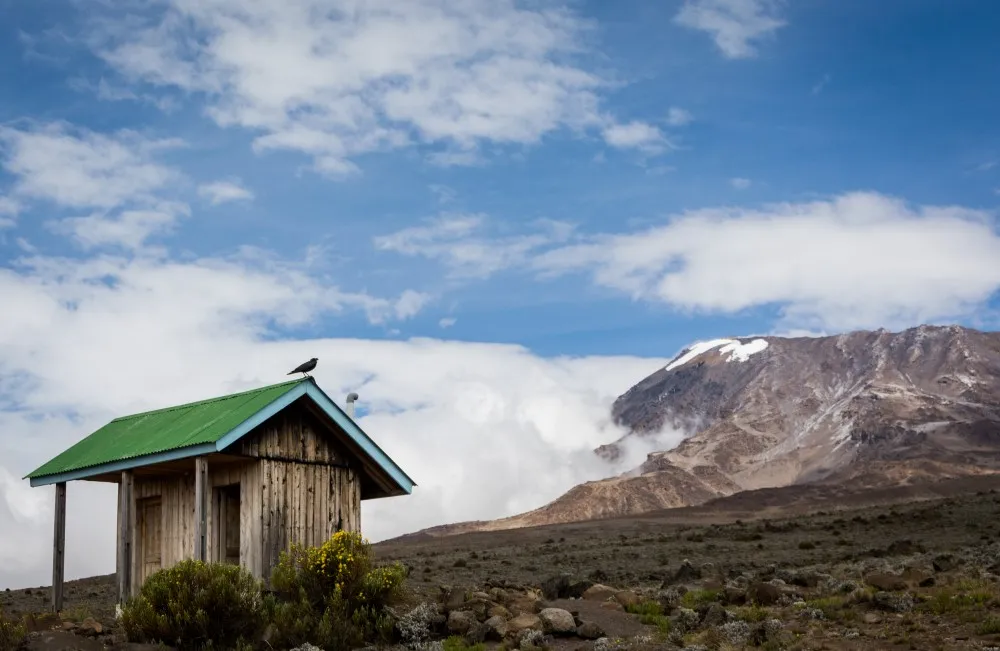
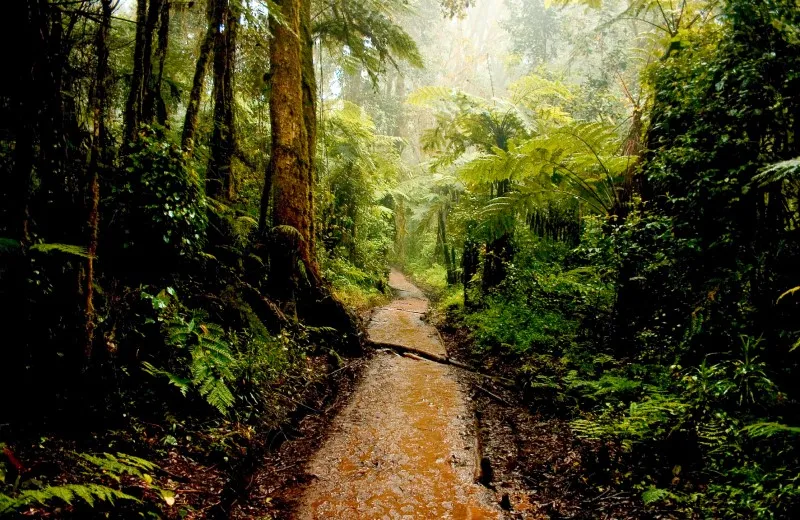
Walk Through Five Climate Zones
The route changes from tropical forest to open moorland, alpine desert and finally the glacial summit zone.
No Technical Climbing Required
The main Kilimanjaro routes are hiking routes, making the mountain accessible to fit and well-prepared hikers.
A Powerful Personal Challenge
Kilimanjaro tests your patience, endurance and determination, while rewarding you with confidence and a deep sense of accomplishment.
Share the Journey
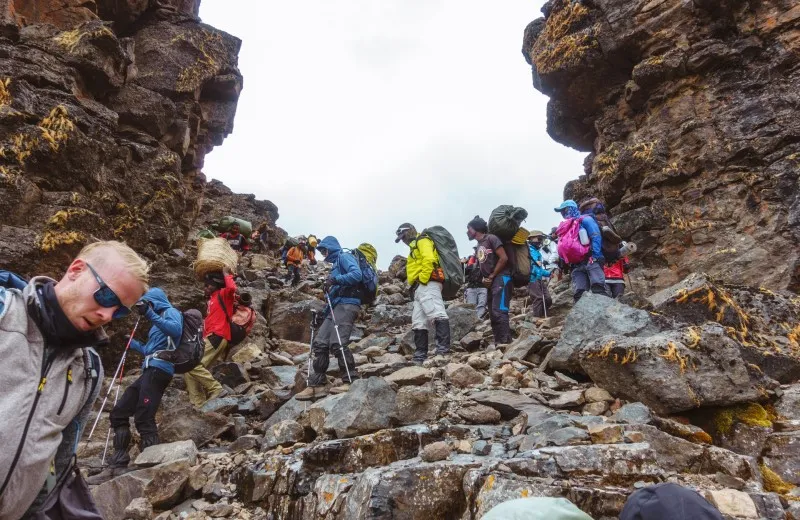
Whether you join a group or climb privately, the mountain creates strong connections between hikers, guides and the local crew.
Experience Tanzania
A Kilimanjaro climb can be combined with a Tanzanian safari or Zanzibar beach holiday for a complete African adventure.
Is Kilimanjaro Right for You?
You Do Not Need to Be an Elite Athlete
Kilimanjaro is physically demanding, but most reasonably fit hikers can complete the climb with the right preparation and itinerary. The biggest challenge is altitude rather than technical difficulty, which is why route choice, acclimatisation and a slow walking pace are so important.
Regular hiking, cardiovascular training and leg-strength exercises will help prepare your body. Just as importantly, you need patience, determination and a willingness to walk slowly while your body adjusts to the altitude.
Learn how to prepare for Kilimanjaro →A Kilimanjaro climb may be right for you if:
- You enjoy hiking and outdoor challenges
- You are willing to train before your trip
- You can walk for several hours on consecutive days
- You are prepared for basic mountain accommodation
- You can remain patient and positive at altitude
- You choose a route with enough time to acclimatise
Choosing the Right Route
Give Yourself the Best Chance of Reaching the Summit
For most first-time climbers, we recommend the 8-day Lemosho Route or the 7-day Machame Route . These Mt Kilimanjaro Hiking tours provide more time for acclimatisation and a better balance of scenery, challenge and summit potential than shorter itineraries.
Start Your Kilimanjaro Journey
Ready to Take on Africa’s Highest Mountain?
Compare the leading Kilimanjaro routes, find a guaranteed group departure or ask our team to help plan a private climb.Kilimanjaro Questions Answered
Frequently Asked Questions About Climbing Kilimanjaro
Planning Mount Kilimanjaro hiking tours can raise many questions about routes, fitness, altitude, safety, prices and the best time to climb. The answers below cover the most important things to know before choosing your Kilimanjaro route and booking a group or private climb.
How difficult is it to climb Mount Kilimanjaro?
Kilimanjaro is a challenging high-altitude trek, but it does not require technical mountaineering skills on the main routes. The difficulty comes from walking for several consecutive days, changing weather conditions and the effects of altitude. Most reasonably fit hikers have a realistic chance of reaching the summit when they train properly, choose a longer itinerary and follow a slow, steady pace.
Good preparation is more important than being an elite athlete. Regular hiking, cardiovascular training and leg-strength exercises are the best foundation for the climb.
Which is the best Kilimanjaro route for first-time climbers?
For most first-time climbers, we recommend the 8-day Lemosho Route because it offers excellent acclimatisation, beautiful scenery and a quieter start. The 7-day Machame Route is another strong option and offers an excellent balance of scenery, acclimatisation and value.
Climbers who strongly prefer sleeping in huts may consider the Marangu Route, although we recommend taking the six-day option rather than the shorter five-day itinerary.
How many days should I spend climbing Kilimanjaro?
We generally recommend a seven- or eight-day climb. Extra days allow your body more time to acclimatise, reduce the pressure to gain altitude too quickly and improve your overall mountain experience.
Our most frequently recommended itineraries are the 8-day Lemosho Route and 7-day Machame Route. Shorter climbs may cost less, but they usually provide less time for altitude adjustment.
What is the best time of year to climb Kilimanjaro?
The most popular periods are from June to early October and from December to March. These months generally offer more stable weather and lower rainfall than the main rainy seasons.
Kilimanjaro can still experience cold, wind, cloud and rain at any time of year because mountain weather changes quickly. April and May usually have the heaviest rainfall, while November often receives shorter rains.
Do I need climbing experience or technical skills?
Previous mountaineering experience is not required for the standard Kilimanjaro trekking routes. You do not need ropes, ice axes or technical climbing knowledge for the normal ascent.
Hiking experience is helpful because you will spend several hours walking each day over uneven and sometimes steep terrain. A good training plan and suitable equipment will make the climb safer and more enjoyable.
How do you manage altitude sickness on Kilimanjaro?
Our safety approach begins with recommending longer routes that allow gradual acclimatisation. Guides monitor every climber throughout the trek, ask about altitude symptoms and perform regular health checks, including pulse and oxygen-saturation readings.
Climbers are encouraged to walk slowly, drink enough water, eat properly and report symptoms honestly. When necessary, the guide may recommend rest, reassessment or descent. Emergency oxygen and first-aid equipment are carried on every climb.
What is included in a Kilimanjaro hiking tour?
A guided Kilimanjaro climb normally includes professional mountain guides, porters, a cook, park fees, camping equipment or hut accommodation, meals on the mountain and boiled drinking water. Tented routes include sleeping tents, dining and kitchen facilities.
Our scheduled tented-route group climbs also include a portable toilet. Exact inclusions vary by package, so always review the detailed itinerary and price information before booking.
Should I join a group climb or book a private tour?
A Kilimanjaro group climb is ideal when you want a lower price, fixed departure date and a social experience with other hikers. Our scheduled departures are guaranteed and limited to a maximum of 12 climbers.
A private climb offers more flexibility. You can choose your preferred date, route and group size, and the mountain crew is assigned specifically to your party. The trails and public camps are still shared with other climbers.
How fit do I need to be for Kilimanjaro?
You should be comfortable walking for several hours on consecutive days and carrying a small daypack. The most useful preparation combines regular hiking, cardiovascular exercise, leg strength and endurance training.
Fitness alone cannot prevent altitude sickness, so choosing a gradual route remains essential. Read our complete guide on how to prepare to climb Kilimanjaro for practical training and equipment advice.
What equipment do I need for a Kilimanjaro climb?
You need layered clothing for warm, wet and below-freezing conditions, sturdy hiking boots, a waterproof jacket and trousers, warm gloves, a hat, a headlamp, trekking poles, a sleeping bag for tented routes and a comfortable daypack.
Porters carry your main duffel bag, while you carry the items needed during the day. A detailed packing list is provided before departure, and selected equipment can be rented in Tanzania when arranged in advance.
Where do Kilimanjaro climbs start and finish?
Most of our climbs are based in Moshi, Tanzania, which is close to Kilimanjaro National Park. You normally arrive before the climb for a briefing, equipment check and final preparation.
Kilimanjaro International Airport is the most convenient arrival airport. Airport transfers, pre- and post-climb accommodation, safaris and Zanzibar extensions can be arranged as part of your trip.
How much does it cost to climb Kilimanjaro?
The price depends on the route, number of trekking days, group size, accommodation and services included. Longer routes generally cost more because they require additional park fees, food, staff and equipment, but they also provide more time for acclimatisation.
Group climbs usually cost less than private tours. Compare our current scheduled departure dates and prices on the Kilimanjaro group climb page , or request a personalised quote for a private tour.
Still Have Questions?
Speak to a Kilimanjaro Climb Specialist
Tell us about your fitness, preferred travel dates and climbing goals. We will help you compare routes, understand the costs and choose the right Kilimanjaro hiking tour.Your Adventure Starts Here
Ready to Climb Kilimanjaro?
Join one of our guaranteed group departures or request a personalised quote for your own private Kilimanjaro adventure. Our experienced team will help you choose the best route, the ideal travel dates and the itinerary that's right for you.