

Climb Kilimanjaro in Tanzania
Tanzania Climb Kilimanjaro
Routes, Costs & Climb Planning
Planning to climb Kilimanjaro in Tanzania? Compare routes, understand altitude and costs, and explore guided group or private climbs starting from Moshi.
Climbing Kilimanjaro in Tanzania
Planning Your Kilimanjaro Climb
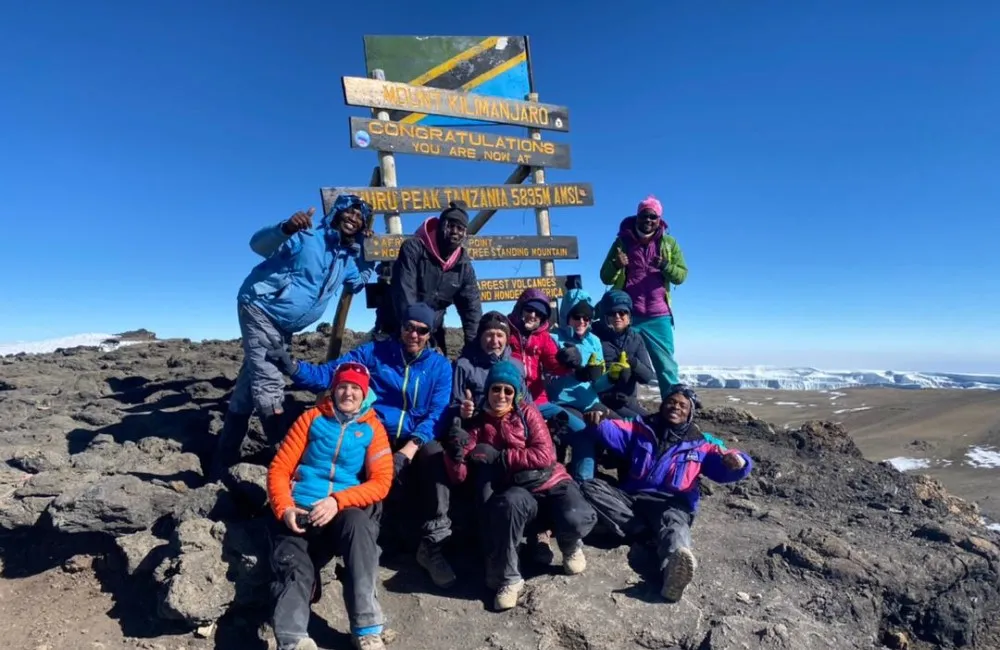
At 5,895 metres, Mount Kilimanjaro is Africa's highest mountain and one of Tanzania's most remarkable trekking destinations. Reaching Uhuru Peak requires no technical mountaineering skills on the standard trekking routes, but the altitude, weather and long hiking days make it a serious physical challenge.
A successful Kilimanjaro climb starts with choosing a suitable route, allowing enough time to acclimatise and preparing for the conditions on the mountain. Since 2008, our team has been arranging guided Kilimanjaro climbs, helping hikers plan their routes, equipment and time in Tanzania.
This guide explains the main routes, when to climb, what a guided trek costs and what to expect from arrival in Moshi to your final descent. You can also explore our scheduled group departures or arrange a private climb.
Our Route Recommendation
For most hikers, we recommend the 7-day Machame Route or the 8-day Lemosho Route. Both offer good opportunities for gradual acclimatisation, with Lemosho providing an additional trekking day. We generally advise against rushing a Kilimanjaro climb, as adequate time to adjust to the altitude is an important part of reducing altitude-related risks. No itinerary, however, guarantees a successful summit.
Why Kilimanjaro
What Makes Climbing Kilimanjaro Unique?
Mount Kilimanjaro offers the opportunity to trek to Africa's highest summit without technical climbing equipment. But altitude, changing weather and several consecutive days of hiking mean that preparation and a sensible climbing pace are essential.
Africa's Highest Summit
Uhuru Peak stands at 5,895 metres on Kibo, Kilimanjaro's highest volcanic cone. The mountain is also one of the Seven Summits, the highest peaks on each continent.
No Technical Climbing Required
The established trekking routes do not normally involve ropes or specialist climbing techniques. The main challenges are altitude, endurance, cold conditions and the demanding summit ascent.
Remarkably Varied Landscapes
Kilimanjaro's trails pass through distinct vegetation and climate zones, from rainforest and moorland to alpine desert and the exposed summit environment, where glaciers still remain.
Choose Your Route
Which Kilimanjaro Climbing Route Should You Choose?
Kilimanjaro has several established trekking routes, each offering a different approach to the summit. When planning your climb in Tanzania, consider the number of days, acclimatisation opportunities, scenery, trail conditions and accommodation. We generally recommend longer itineraries that allow more time to adjust to altitude.
Lemosho Route
Approaching Kilimanjaro from the west, Lemosho begins in the rainforest before crossing the Shira Plateau and joining the Southern Circuit. Our eight-day itinerary allows additional time for acclimatisation and offers varied scenery.
- Recommended duration: 8 days
- Excellent acclimatisation opportunities
- Rainforest, Shira Plateau and Barranco
- Tented camping accommodation
Machame Route
Machame approaches Kilimanjaro from the south-west and follows a scenic trail through rainforest, moorland and alpine desert. The seven-day itinerary includes useful climb-high, sleep-low opportunities at Lava Tower and Barranco Camp.
- Recommended duration: 7 days
- Very good acclimatisation opportunities
- Lava Tower and Barranco Wall
- Tented camping accommodation
Marangu Route
Marangu is the only established main trekking route with mountain hut accommodation instead of tents. It follows the same general trail for ascent and descent and offers a shorter itinerary, although acclimatisation time is limited.
- Recommended duration: 6 days
- Less acclimatisation time
- Mandara, Horombo and Kibo Huts
- Shared mountain hut accommodation
Rongai Route
Rongai begins on Kilimanjaro's north-eastern side, near the Kenyan border. The approach is generally quieter than the busy southern routes, with a gradual early ascent before reaching the higher camps. Descent follows the Marangu trail.
- Recommended duration: 7 days
- Good acclimatisation opportunities
- Generally quieter early stages
- Tented camping accommodation
Northern Circuit
The Northern Circuit follows an extended trail around Kilimanjaro's relatively remote northern slopes. Its nine-day itinerary allows generous acclimatisation time and offers quieter camps and expansive views across northern Tanzania.
- Recommended duration: 9 days
- Excellent acclimatisation opportunities
- Remote northern mountain slopes
- Tented camping accommodation
Umbwe Route
Umbwe has a steep, direct approach through the southern forest and provides fewer opportunities for gradual acclimatisation during the early stages. Our seven-day itinerary joins the Southern Circuit and is intended for experienced, well-prepared hikers.
- Recommended duration: 7 days
- Steep early ascent
- Limited early acclimatisation
- Tented camping accommodation
| Route | Recommended days | Difficulty | Acclimatisation | Accommodation | Main attraction |
|---|---|---|---|---|---|
| Lemosho | 8 | Demanding trek | Excellent | Tents | Varied scenery and acclimatisation |
| Machame | 7 | Demanding trek | Very good | Tents | Barranco Wall and Southern Circuit |
| Marangu | 6 | Demanding altitude | Limited | Huts | Hut accommodation |
| Rongai | 7 | Demanding trek | Good | Tents | Quieter northern approach |
| Northern Circuit | 9 | Long-distance trek | Excellent | Tents | Remote trails and extra time |
| Umbwe | 7 | Challenging | Limited early on | Tents | Steep, quieter approach |
Our Advice: Don't Choose a Route by Price Alone
The shortest Kilimanjaro itinerary is not necessarily the most suitable. Altitude affects even fit and experienced hikers, and rapid ascent increases the risk of altitude sickness. For most first-time high-altitude trekkers, we recommend considering a seven- or eight-day route with better acclimatisation opportunities rather than focusing only on the lowest price. Your health, available time and previous altitude experience should guide the final choice.
Challenge & Conditions
How Difficult Is It to Climb Kilimanjaro?
Climbing Mount Kilimanjaro in Tanzania does not require technical mountaineering skills on the standard trekking routes. However, several consecutive days of hiking, cold temperatures and the extreme altitude make it a demanding physical challenge, particularly during the final summit ascent.
Physical Endurance
Expect to walk for several hours each day, often on uneven or rocky trails. Summit night is usually the longest and most demanding stage, beginning late in the evening and continuing through the early morning before the descent. Good hiking fitness and preparation make a considerable difference.
High Altitude
Altitude is one of the greatest challenges on Kilimanjaro. Even fit, experienced hikers can develop altitude sickness. Allowing adequate acclimatisation time, ascending gradually and recognising symptoms early are essential safety considerations.
Mental Preparation
Cold nights, disrupted sleep, fatigue and a slow trekking pace can be frustrating. Realistic expectations, patience and a willingness to follow your guide's instructions are important. Determination helps, but should never override health or safety concerns.
Altitude Safety
Why Acclimatisation Matters on Kilimanjaro
As you climb higher, the lower oxygen pressure makes it harder for your body to function normally. Acclimatisation takes time, which is one reason we generally recommend seven- or eight-day itineraries rather than rushing the ascent.
A gradual ascent, a slow walking pace and regular communication with your guides are important. Drinking enough water is also sensible, although hydration alone cannot prevent altitude sickness.
On KHT climbs, our guides conduct health checks twice daily, including pulse-oximeter readings, and continue observing hikers throughout the trek. Symptoms and clinical assessment are more important than any single oxygen saturation reading.
Never Ignore Altitude Symptoms
Tell your guide immediately if you experience headaches, nausea, dizziness, unusual fatigue or worsening symptoms. Confusion, loss of coordination or breathlessness at rest are serious warning signs requiring urgent action. Do not continue ascending with worsening altitude illness. Your guide may need to arrange immediate descent and emergency care.
Learn more about our guide monitoring, emergency equipment and evacuation procedures on our Kilimanjaro safety page .
Best Months to Climb Kilimanjaro
Kilimanjaro can be climbed throughout the year, but rainfall, cloud cover and trail conditions vary considerably between seasons.
An Alternative Dry Period
Conditions are often relatively dry from late December through February and into early March. Weather can be warmer at lower elevations, although rain, cloud and summit snow remain possible.
Main Dry Season
From around mid-June to early October, trekking conditions are generally drier and visibility is often good. July, August and September are popular climbing months, so some routes can be busy.
Long Rainy Season
Frequent rain can make trails muddy and slippery, particularly through the rainforest. Cloud, mist and poor visibility are more common. These months are generally less suitable for most climbers.
Short Rainy Season
November often brings showers, cloud and changing conditions. Trails may be quieter, but hikers should prepare for wet weather and possible snow at higher elevations.
For seasonal conditions and temperatures, see our Kilimanjaro weather guide .
Prepare for Your Climb
Training, Gear and Life on the Mountain
Preparing to climb Kilimanjaro involves more than improving your fitness. You'll need suitable hiking equipment, experience walking for several hours at a time and an understanding of daily life on the mountain. Good preparation makes the physical demands easier to manage, although it cannot prevent altitude sickness.
Build Your Walking Fitness
Start with regular walks and gradually increase the distance, duration and elevation gain. Include hills and uneven terrain wherever possible. Consistency matters more than speed.
Strengthen Your Legs and Core
Include step-ups, squats, lunges and balance exercises in your training. Strong legs and good stability are particularly helpful during the long descents over rocky and uneven trails.
Practise Longer Hikes
Gradually work towards longer hikes and, where practical, back-to-back walking days. Train with your hiking boots and a loaded daypack so you can identify any equipment problems before travelling to Tanzania.
Rest Before Departure
Reduce strenuous training during the final week before your climb. Concentrate on rest, recovery and organising your equipment rather than trying to improve your fitness at the last minute.
For a structured programme, see our Kilimanjaro training guide , including an eight-week training plan to help you prepare.
Essential Personal Equipment
Temperatures vary dramatically between the rainforest and the summit. Your equipment must be suitable for both wet weather and extreme cold.
- Comfortable, broken-in waterproof hiking boots
- Moisture-wicking base layers, warm fleece and insulated clothing
- Waterproof jacket and trousers
- Warm gloves, thermal hat and insulated summit jacket
- Sleeping bag suitable for sub-zero temperatures
- Headlamp, trekking poles and a comfortable daypack
We recommend a daypack of approximately 35 litres for the items you need while hiking. Your assigned porter carries your main duffel bag, up to a maximum of 15 kg.
KHT provides a detailed packing list. Selected equipment can also be rented by KHT clients when arranged in advance.
What KHT Provides on the Mountain
Our mountain team handles camp arrangements, meals and equipment transport so you can concentrate on the daily hike and acclimatisation.
- Experienced, English-speaking mountain guides
- Porters for your duffel bag and communal equipment
- Mountain cook and freshly prepared meals
- Sleeping tents, mattresses, dining tent and camping facilities on tented routes
- Treated drinking water throughout the mountain trek
- First-aid equipment, emergency oxygen and daily health monitoring
We also take porter welfare seriously. As a monitored partner of the Kilimanjaro Responsible Trekking Organisation (KRTO), KHT follows established standards covering porter loads, meals, accommodation and working conditions.
Need help organising your equipment, travel arrangements and documents? Read our guide to preparing for Kilimanjaro .
Your Kilimanjaro Experience
What to Expect From Arrival to Summit
A guided Kilimanjaro climb begins before you enter the national park. From your briefing in Moshi to the summit attempt and final descent, here's how a typical KHT trip unfolds.
Arrival in Moshi and Pre-Climb Briefing
Our standard climbs begin in Moshi, with accommodation at Chanya Lodge. The pre-climb briefing is scheduled for 16:00 on the day before your trek. Your guide explains the itinerary, checks your equipment and discusses health and safety procedures.
A Steady Pace and Daily Camp Routine
Each day involves trekking through changing landscapes at a deliberately slow pace. Your porter carries your main duffel while you carry your daypack. On camping routes, the crew prepares your camp and meals. Guides conduct regular health checks as you gain altitude.
The Final Ascent Towards Uhuru Peak
The summit attempt usually starts around 23:00, depending on conditions and your route. The ascent is cold, steep and physically demanding. Hikers on the southern routes generally reach Stella Point before continuing along the crater rim towards Uhuru Peak at 5,895 metres, if conditions and their health permit.
Leaving the Mountain
After the summit attempt, you'll descend to a lower camp to rest before completing the remaining trek to the park gate. Eligible hikers receive their summit certificate, and our vehicle transfers you back to your hotel in Moshi.
Costs & Inclusions
What Does It Cost to Climb Kilimanjaro?
The cost of a guided Kilimanjaro climb in Tanzania depends on the route, number of trekking days, group size and services included. When comparing operators, check the complete package rather than the advertised price alone. KHT offers scheduled group departures on the 7-day Machame and 8-day Lemosho routes, as well as private climbs.
Park and Rescue Fees
Kilimanjaro National Park charges conservation, camping or hut accommodation, and rescue fees. These mandatory park fees are included in KHT's advertised climbing packages.
Guides, Porters and Meals
Our prices include the mountain guides, porters and cook, together with meals, drinking water, communal equipment and camp arrangements. Responsible porter treatment is part of our operating standards.
Hotel Nights and Transfers
Standard packages include two hotel nights in Moshi, one before and one after the climb, and transport between the hotel and Kilimanjaro's park gates. Airport transfers can be arranged at additional cost.
Compare What Is Included
Before choosing a climbing package, check the number of trekking days, park fees, crew arrangements, accommodation, safety equipment and any additional charges. Personal equipment, crew tips, flights, visas and travel insurance are not included in KHT's standard package price.
Safety on the Mountain
How KHT Manages Safety on Kilimanjaro
Climbing at high altitude involves risks that cannot be eliminated. Our guides follow established safety procedures and monitor hikers throughout the trek, with particular attention to altitude-related symptoms.
Experienced Local Guides
Our English-speaking, KINAPA-licensed guides set an appropriate hiking pace, assess climbers throughout the trek and make decisions based on conditions and individual health.
Twice-Daily Health Checks
Guides conduct health assessments, including pulse-oximeter readings, twice daily. Symptoms and the climber's condition take priority over any single oxygen reading.
Emergency Equipment
Every KHT climb carries emergency oxygen and first-aid supplies. Oxygen is reserved for emergencies and is not used to help hikers continue an unsafe ascent.
Descent and Evacuation
Guides can arrange descent or evacuation when medically necessary. KHT uses the established park rescue procedures, including stretchers and rescue vehicles where available.
For detailed information about altitude monitoring, emergency equipment and rescue procedures, visit our Kilimanjaro Safety Guide .
Choosing a Kilimanjaro operator involves more than comparing prices and equipment. Clear communication, organised logistics and dependable mountain support also matter. Here is some feedback from hikers who travelled with Kilimanjaro Hiking Tours.
Customer Experiences
What Our Kilimanjaro Climbers Say
These short summaries reflect reviews published by KHT customers on Trustpilot. You can read their original feedback directly on Trustpilot.
A Well-Organised Kilimanjaro Trip
Maryke praised the quick responses before departure, the preparation information, and the guides and porters who supported her summit. She also enjoyed a safari arranged after the climb.
Supportive Guides and Good Food
Sean was initially nervous about the climb. He praised the professional guides, the attention given to safety and comfort, and the quality of the meals served on the mountain.
Helpful Guides and Good Planning
Ingrid described Kilimanjaro as a wonderful but difficult experience. She appreciated the support of the guides, the food provided and the organisation of the trip.
A Stress-Free Experience
Amandine appreciated having the trip arrangements taken care of, allowing her to concentrate on enjoying the adventure. She also spoke positively about the people involved in the experience.
An Unforgettable Climb
Michael highlighted the organisation, meals and encouragement from the guides, porters and cook. He credited the team with helping him feel confident during the summit attempt.
Summaries are based on published customer feedback and are not direct quotations. Individual ratings and original reviews can be viewed on Trustpilot.
Read Original Trustpilot Reviews ↗Kilimanjaro Questions Answered
Frequently Asked Questions About Climbing Kilimanjaro
Planning to climb Kilimanjaro in Tanzania? These answers cover common questions about routes, group departures, accommodation, safety and travel arrangements before booking your trek.
Can a beginner climb Kilimanjaro?
Yes. Previous technical climbing experience is not required on the standard routes. However, good walking fitness, suitable equipment and adequate acclimatisation time are important. First-time high-altitude hikers should avoid rushing the ascent.
Which route does KHT recommend?
We generally recommend the 8-day Lemosho Route or the 7-day Machame Route. Both provide useful acclimatisation opportunities. Lemosho allows an additional trekking day, while Machame offers a shorter itinerary. The final choice depends on your available time, fitness and preferences.
Can I join a group if I am travelling alone?
Yes. Solo hikers are welcome on our scheduled group departures. Groups average four to five hikers and have a maximum of 12. A private tent can be requested if you prefer not to share.
Are your scheduled Kilimanjaro departures guaranteed?
Yes. Our published group departures are guaranteed to operate, including departures with solo hikers. Check our group schedule for available dates, routes and prices.
Can I arrange a private Kilimanjaro climb?
Yes. Private climbs can be arranged for your preferred dates, subject to availability and park arrangements. You will have your own mountain crew rather than joining a scheduled group.
What is included in a KHT climbing package?
Standard packages include park and rescue fees, guides, porters, a cook, mountain meals, drinking water, applicable mountain accommodation, park-gate transfers and two hotel nights in Moshi. Flights, visas, tips, personal equipment and travel insurance are excluded. Airport transfers can be arranged at additional cost.
Are portable toilets provided on Kilimanjaro?
A shared portable toilet is included on our scheduled group climbs using tented routes. We allow a maximum of five hikers per toilet. Portable toilet tents are not permitted on the Marangu Route, where mountain huts have shared facilities.
Where should I stay before and after my climb?
Our standard packages use Chanya Lodge in Moshi. The pre-climb briefing is normally held at 16:00 on the day before departure. Your guide will review equipment, the itinerary and safety procedures.
Which airport should I use?
Kilimanjaro International Airport (JRO) is the most convenient international airport for Moshi. We can arrange an airport transfer at additional cost. Arrivals through Arusha can also be accommodated by arrangement.
What happens if I develop altitude sickness?
Your guide will assess your symptoms and determine the appropriate response. Our team monitors hikers throughout the trek and conducts twice-daily health checks. Worsening or serious altitude illness may require immediate descent and emergency assistance. Reaching the summit must never take priority over your health.
Can I rent hiking equipment?
Selected equipment is available for hikers booked with KHT. Rental items must be arranged in advance, as availability can vary. We recommend bringing your own well-fitting hiking boots wherever possible.
When is the best time to climb Kilimanjaro?
We generally recommend mid-June to early October. Late December through February is another popular period. April, May and November are wetter months, so hikers should expect a greater chance of rain and difficult trail conditions.
Continue Planning
Helpful Kilimanjaro Guides
Compare routes, prepare your equipment or check available departures. These guides provide more detailed information about planning your climb.
Ready to Climb Kilimanjaro in Tanzania?
Whether you want to join a scheduled group or arrange a private climb, tell us your preferred dates, route and group size. Our team will help you understand the options and plan your trip.