Weather on Mount Kilimanjaro
Kilimanjaro Weather
Temperatures & Conditions on the Mountain
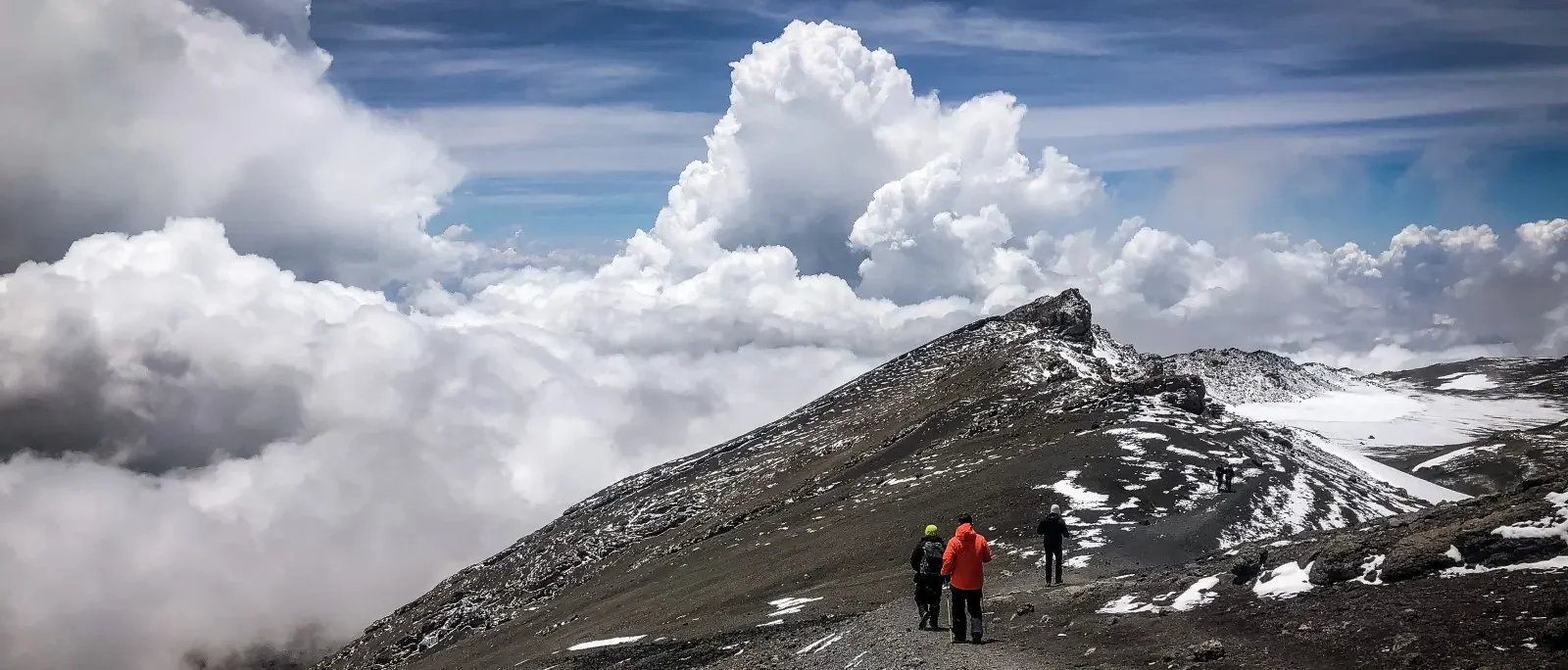
Kilimanjaro weather can change dramatically as you climb. Learn what temperatures, rain, snow, wind and changing mountain conditions to expect from the lower slopes to the summit.
Kilimanjaro Weather at a Glance
Expect More Than One Type of Weather
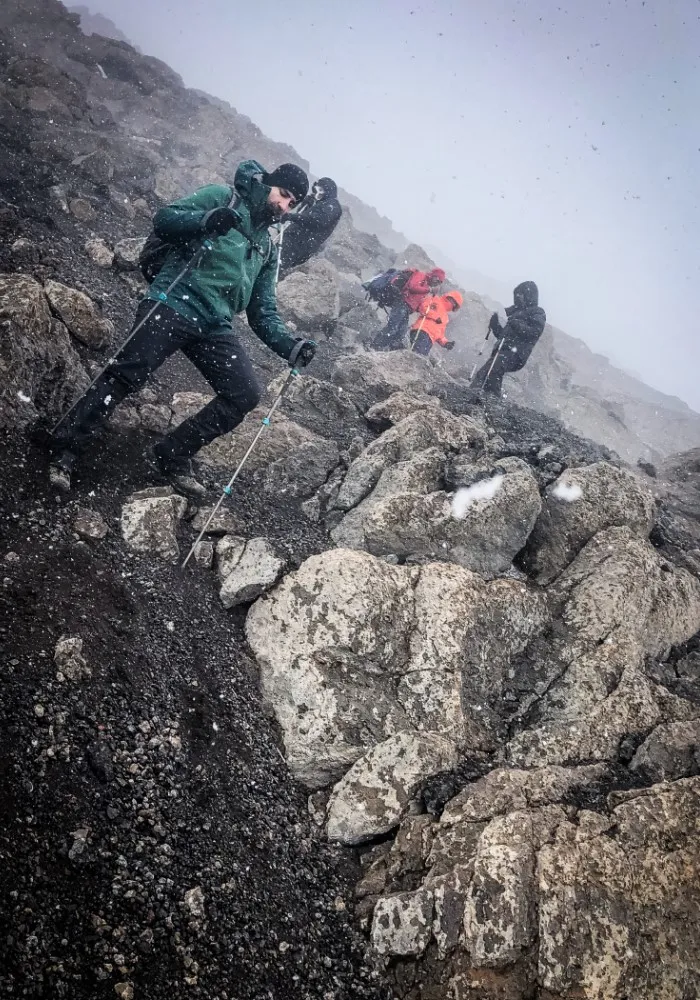
Kilimanjaro weather is highly variable. During a single climb you may experience warm sunshine, rain, strong wind, freezing temperatures and even snow. Conditions change with altitude, time of day and season, which is why preparing for a wide range of weather is essential.
Temperatures Drop with Altitude
Conditions may feel warm at the lower slopes, but temperatures decrease significantly as you climb. Nights at higher camps can fall below freezing, especially near summit night.
Rain Can Arrive Quickly
Rain is most common on the lower and middle slopes, particularly during the wetter seasons. Cloud, mist and showers can develop quickly even when the day begins clear.
Frost and Snow Are Possible
Higher elevations can experience frost, ice and snow at any time of year. Summit conditions can be especially cold before sunrise, with wind making it feel even colder.
Sun and Wind Can Be Intense
Clear high-altitude days can bring strong UV exposure, while open sections of the mountain may experience powerful winds. Good sun protection and layered clothing are important throughout the climb.
The key is to prepare for change. Kilimanjaro does not have one single weather condition from base to summit. Your clothing and equipment should allow you to adjust quickly as temperatures, rain, wind and cloud conditions change during the day.
Altitude Changes Everything
Why Does Kilimanjaro Weather Change So Much?
Mount Kilimanjaro rises from relatively warm lower slopes to an exposed summit at 5,895 metres. As you gain altitude, temperatures fall and the mountain becomes increasingly exposed to wind, cloud, frost and rapidly changing conditions.
Higher Usually Means Colder
Air temperature generally decreases as elevation increases. That is why a climb can begin in relatively mild conditions and finish in sub-zero temperatures close to the summit.
The Upper Mountain Is More Exposed
Higher on Kilimanjaro there is less shelter from wind and strong sunlight. Wind chill can make already cold conditions feel considerably colder, particularly before sunrise.
Mountain Weather Can Change Quickly
Cloud, precipitation and wind can develop over short periods. Conditions may also differ between one side of the mountain and another, so the weather experienced by hikers is not always identical across every route.
Every day of a Kilimanjaro climb can feel different. The large gain in altitude is one reason hikers need to carry layers for warm, wet, windy and freezing conditions rather than dressing for a single expected temperature.
Kilimanjaro Temperatures
How Cold Does Kilimanjaro Get?
Kilimanjaro temperatures depend much more on altitude and time of day than on a single mountain-wide forecast. The lower slopes can feel pleasantly warm, while higher camps become increasingly cold and nights can fall below freezing.
| Approx. Altitude | Typical Conditions | What Hikers May Experience |
|---|---|---|
| Below 3,000 m | Generally mild to warm | Daytime conditions can be around the low to mid-20s °C, although rain and cloud can make it feel cooler. |
| 3,000–4,000 m | Cooler days and cold nights | Temperatures become noticeably cooler and nighttime conditions may approach freezing. |
| 4,000–5,000 m | Cold and exposed | Daytime warmth depends heavily on sunshine, while nights at the higher camps regularly fall below freezing. |
| Above 5,000 m | Freezing summit conditions | Sub-zero temperatures, wind chill, ice and snow are possible, particularly during the overnight summit attempt. |
Sunshine Can Make It Feel Much Warmer
Strong high-altitude sunlight can make daytime hiking surprisingly comfortable, even at elevations where temperatures fall sharply after sunset. Layers make it easier to adjust throughout the day.
Temperatures Drop Quickly After Sunset
Once the sun disappears, the temperature can fall rapidly. Warm base layers, insulation and a suitable sleeping bag become increasingly important as camps move higher up the mountain.
Summit Night Is Usually the Coldest Part of the Climb
Climbers leave camp during the night and spend several hours at very high altitude before sunrise. Temperatures can fall well below freezing, and wind chill may make conditions feel considerably colder than the measured air temperature.
Temperature figures are approximate. Actual conditions vary with altitude, season, cloud cover, wind, precipitation and the time of day, so hikers should prepare for colder conditions than a general forecast may suggest.
Rain on Kilimanjaro
Expect Rain, Mist and Wet Trails
Rain is a normal part of Kilimanjaro weather, particularly on the lower and middle slopes where cloud and moisture are more common. Even outside the main rainy periods, showers can develop quickly.
The Lower Slopes Are Wetter
The lower mountain receives more moisture than the exposed upper slopes. Trails can become muddy and vegetation may remain wet even after rainfall has stopped.
Cloud and Mist Can Reduce Visibility
Mountain cloud can move in quickly and visibility may change within a short period. A clear morning does not necessarily mean the entire day will remain dry or sunny.
Waterproof Gear Is Essential
A waterproof jacket, rain pants and good protection for the contents of your daypack and duffel help keep wet weather from becoming a major problem during the climb.
Do not rely on a dry-season label alone. Kilimanjaro creates its own local mountain weather, so hikers should always carry waterproof layers even during the more popular climbing months.
Cold Weather on Kilimanjaro
Frost, Ice and Snow at Higher Altitude
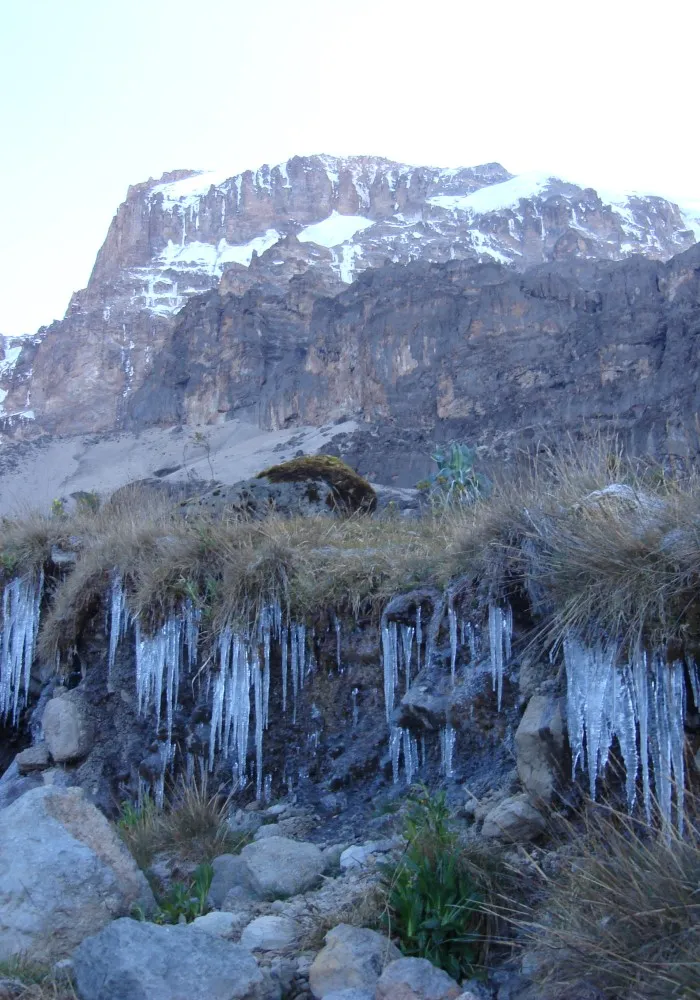
Cold conditions become increasingly important as you climb higher. Frost, ice and snow can occur on the upper mountain, while nighttime temperatures at high camps may fall below freezing even when the daytime weather feels relatively mild.
Frost Can Form Overnight
Clear nights at altitude can become very cold. Frost may develop around camp and on exposed surfaces, especially as hikers move higher up Kilimanjaro.
Snow Is Possible at Any Time of Year
Snowfall is not limited to one particular season. Conditions on the upper mountain can change quickly, and fresh snow may occur even during otherwise favourable climbing periods.
Summit Night Requires Your Warmest Layers
The overnight ascent toward the summit combines very high altitude, darkness, low temperatures and possible wind. This is normally when hikers rely most heavily on thermal layers, insulation, gloves and other cold-weather gear.
Cold weather is not only a summit issue. Temperatures can already fall below freezing at the higher camps, so warm clothing needs to be accessible well before summit night.
Wind, Sun & UV
Clear Skies Can Still Feel Harsh
Not all challenging Kilimanjaro weather comes from rain or snow. Higher on the mountain, strong wind and intense sunlight can make otherwise clear conditions surprisingly demanding.
Wind Can Make Cold Conditions Feel Colder
The upper slopes are more exposed and offer less natural shelter. Strong winds can increase heat loss and make low temperatures feel considerably colder than the air temperature alone suggests.
A windproof outer layer is especially useful on exposed sections and during the summit attempt.
High-Altitude Sun Can Be Intense
Kilimanjaro can feel deceptively cool while the sun remains very strong. UV exposure increases with altitude, so hikers can burn even when temperatures are low or there is snow on the ground.
Sunscreen, sunglasses, a hat and lip protection should remain part of your daily routine throughout the climb.
Do not judge the weather only by temperature. A cool, sunny day can still bring strong UV exposure, while a moderate temperature combined with wind can feel much colder than expected.
Kilimanjaro Weather by Season
How Does the Weather Change Through the Year?
Kilimanjaro can be climbed throughout the year, but rainfall, cloud cover and trail conditions vary by season. The broad patterns below are useful for understanding the mountain, while actual conditions can still change from day to day.
Generally Drier Conditions
These months often bring relatively favourable climbing weather, although cloud, rain and snowfall can still occur. Higher elevations remain cold regardless of the season.
Long Rains
This is typically the wettest part of the year. Hikers can expect more persistent rain, cloud and muddy trails, particularly on the lower sections of the mountain.
Drier Main Climbing Season
These months are generally associated with lower rainfall and clearer conditions. Nights can still be very cold, especially at altitude and during the summit attempt.
Short Rains & Transition
November often brings increased rainfall, while conditions may begin to improve during December. Weather patterns can be especially variable during this transition period.
Choosing When to Climb?
Weather is only one part of choosing your climbing dates. Crowds, route choice, visibility and seasonal conditions should also be considered when planning your Kilimanjaro trek.
These are broad seasonal patterns, not guaranteed forecasts. Conditions on Kilimanjaro vary with altitude and can change quickly, regardless of the month you climb.
Current Mountain Forecast
Check the Current Kilimanjaro Weather Forecast
Mountain-Forecast provides current forecasts for different elevations on Mount Kilimanjaro. This can be useful before your climb, but remember that mountain conditions can change quickly and a forecast should always be treated as guidance rather than a guarantee.
Frequently Asked Questions
Kilimanjaro Weather FAQ
These are some of the most common questions hikers ask about temperatures, rain, snow and changing weather on Mount Kilimanjaro.
What weather should I expect on Mount Kilimanjaro?
Expect a wide range of conditions during one climb. The lower slopes may be warm and humid, while higher elevations become colder and more exposed. Rain, cloud, strong sun, wind, frost and snow are all possible.
How cold does it get on Kilimanjaro?
Temperatures decrease significantly with altitude. Higher camps can fall below freezing at night, while summit night is usually the coldest part of the climb. Wind can make conditions feel colder still.
Does it snow on Mount Kilimanjaro?
Yes. Snow can fall on the upper mountain at different times of year. Fresh snowfall, frost and ice are possible even during otherwise favourable climbing periods.
Can it rain during the dry season?
Yes. The drier months usually have lower rainfall, but Kilimanjaro is still a mountain environment and showers can occur at any time. Waterproof clothing should always be carried.
What is the weather like on Kilimanjaro summit night?
Summit night is typically very cold because hikers begin climbing during the night and spend several hours above 5,000 metres before sunrise. Sub-zero temperatures, wind, frost, ice or snow may all be encountered.
Which months have the best weather for Kilimanjaro?
The main drier periods are generally January to March and June to October. April and May are usually wetter, while November often brings the shorter rains.
See our Best Time to Climb Kilimanjaro guide for a detailed month-by-month breakdown.
Is a Kilimanjaro weather forecast reliable?
Forecasts are useful for identifying general trends, but mountain weather can change quickly and conditions vary considerably with altitude. Climbers should always prepare for colder, wetter or windier conditions than a general forecast may suggest.
What clothing do I need for Kilimanjaro weather?
Layering is essential. You need clothing for warm hiking conditions, rain and wind protection, plus insulating layers for cold evenings and summit night. Waterproof outer layers, warm gloves and good sun protection are particularly important.
See our Kilimanjaro Packing List for the full equipment and clothing guide.
No forecast can tell you exactly what weather you will experience during every stage of your climb. Good layering, waterproof gear and appropriate cold-weather equipment allow you to adapt as conditions change from the lower slopes to the summit.
Ready for Kilimanjaro?
Ready to Experience Kilimanjaro for Yourself?
Kilimanjaro weather can change from warm sunshine to rain, wind and freezing summit conditions during the same climb. With the right clothing, a well-paced itinerary and an experienced mountain team, you can be prepared for whatever the mountain brings.