
Kilimanjaro Climb Preparation
Prepare to Climb Kilimanjaro
Everything You Need To Know Before Your Kilimanjaro Trek
Preparing to climb Kilimanjaro involves more than getting fit. Choosing the right route and season, training for consecutive hiking days, understanding altitude, bringing the correct gear and planning your travel all contribute to a better mountain experience.
What Does Preparing for Kilimanjaro Involve?
Successful Kilimanjaro preparation starts long before you arrive in Tanzania. Your route, travel dates, physical training, understanding of altitude, equipment and travel arrangements all play a part in preparing for the mountain.
Choose the Right Route
Kilimanjaro routes differ in itinerary length, scenery, acclimatisation opportunities, trail traffic and accommodation. Give yourself enough time to acclimatise rather than simply choosing the shortest option.
Choose When to Climb
Weather, rainfall, visibility and trail conditions vary during the year. Choose a travel period that suits your schedule while considering Kilimanjaro's main climbing seasons.
Train for the Trek
Build endurance for several consecutive hiking days through regular walking or hiking, cardiovascular exercise and practical strength training before you travel.
Prepare for Altitude
Kilimanjaro's greatest challenge is altitude rather than technical climbing. Understand acclimatisation, choose an appropriate itinerary and follow your guides' pacing and health advice on the mountain.
Bring the Right Gear
Kilimanjaro conditions change from warm rainforest to freezing summit temperatures. Good boots, layered clothing, rain protection and suitable hiking equipment are important.
Organise Your Travel
Arrange flights, arrival dates, transfers, accommodation, travel documents and insurance in advance so that the practical details are sorted before your trek begins.
You do not need to be an elite athlete, but you should arrive physically prepared, properly equipped and with a realistic understanding of the demands of hiking for several days at altitude.
When Should You Start Preparing for Kilimanjaro?
You do not need to prepare everything at once. Breaking your Kilimanjaro climb preparation into stages makes training, equipment and travel planning much easier to manage. The following timeline provides a practical starting point for organising your climb.
Plan Your Climb
Start with the major decisions that will shape your climb and the preparation that follows.
Build Your Hiking Fitness
Your training should now become more specific to hiking for several consecutive days. Booked KHT climbers can use our 8-week training programme to guide their preparation.
Finalise Your Equipment
By this stage, your major travel arrangements should be confirmed and your mountain equipment almost ready.
Arrive Rested and Ready
The final week is not the time for last-minute heavy training. Focus on arriving healthy, rested and organised.
Get Ready for the Mountain
Allow time to settle in before starting your climb. Arriving two days early is ideal where possible, particularly after a long journey.
The ideal preparation period varies according to your current fitness, hiking experience and available time. If your climb is closer, focus on consistent training, suitable gear and the practical preparations you can still complete safely.
How Fit Do You Need to Be to Climb Kilimanjaro?
You do not need to be an elite athlete, but you should prepare your body for several consecutive days of hiking. The type of fitness you build is more important than simply training as hard as possible. Focus on endurance, time on your feet and gradually building the stamina required for the trek.
Walk and Hike Regularly
Hiking is one of the best ways to prepare because it builds endurance while getting your feet, legs and body accustomed to spending several hours on the move.
Build Cardiovascular Fitness
Walking, cycling, swimming, running or other steady aerobic exercise can help improve the endurance needed for long hiking days at a comfortable pace.
Strengthen Your Legs and Core
Include practical strength work for your legs, hips and core. Stronger muscles can make climbing, descending and carrying your daypack more comfortable.
Train on Hills or Inclines
Use hills, stairs or an incline treadmill where possible. If you live somewhere flat, longer walks, stairs and structured incline sessions can still provide effective training.
Practise With Your Daypack
Train with the daypack you plan to use on the mountain and gradually become comfortable carrying your water, extra layers and daily essentials.
Include Consecutive Hiking Days
Kilimanjaro is not a single long hike. Training on consecutive days helps your body become accustomed to walking again when your legs are already tired.
Use regular long walks, stairs, an incline treadmill and strength training to build endurance. If you have opportunities to hike in hills or mountains before your trip, take advantage of them for additional practice, but living near mountains is not a requirement for training successfully for Kilimanjaro.
Altitude & Acclimatisation on Kilimanjaro
At 5,895 metres, altitude is one of the biggest challenges of climbing Kilimanjaro. Good physical fitness helps with the demands of hiking, but acclimatisation is a separate process and should be an important consideration when planning your climb.
Fitness and Acclimatisation Are Not the Same Thing
Being fit can make the physical demands of hiking easier to manage, but even very fit climbers can develop altitude-related illness.
As you climb higher, atmospheric pressure decreases, reducing the amount of oxygen available to your body. Your body needs time to adjust, which is why the number of days on the mountain and the rate of ascent are important when preparing to climb Kilimanjaro.
You cannot reliably predict how your body will respond to altitude based on age or fitness alone. A sensible itinerary, slow pace and honest communication with your mountain guides are important throughout the climb.
Give Yourself Enough Days
Longer itineraries generally allow a more gradual ascent and additional time for your body to adjust as you move higher on the mountain.
Walk Slowly — Pole Pole
“Pole pole” means slowly in Swahili. Your guides deliberately maintain a slow, steady hiking pace to help manage exertion as you gain altitude.
Climb High, Sleep Low
Some Kilimanjaro itineraries include sections where you hike higher during the day before descending to sleep at a lower elevation, supporting acclimatisation.
Drink and Eat Regularly
Stay adequately hydrated and eat regularly, even when altitude affects your appetite. Hydration and nutrition support your general wellbeing, but do not prevent altitude sickness on their own.
Recognise and Report Symptoms
Acute Mountain Sickness (AMS) can affect anyone, including experienced and fit hikers. Symptoms may include headache, nausea, dizziness, unusual fatigue or loss of appetite. Tell your guide immediately if you feel unwell and never hide symptoms.
Follow Your Guide's Advice
Continuing to ascend when altitude symptoms are worsening can be dangerous. Follow your guide's advice on rest, monitoring and stopping ascent. Descent is essential when serious altitude illness is suspected.
Don't Choose Your Kilimanjaro Route by Duration Alone
For most first-time climbers, we favour itineraries that provide more time for acclimatisation. This is one reason our main scheduled group climbs focus on the 8-day Lemosho and 7-day Machame routes.
Our guides check climbers' wellbeing throughout the trek, including symptoms, pulse and oxygen saturation. Pulse oximeter readings are used alongside symptoms and clinical assessment, not as a stand-alone indication that it is safe to ascend.
Emergency oxygen is carried for use when required. It is not used routinely, does not replace proper acclimatisation or necessary descent, and is not intended to help an unwell climber continue towards the summit.
Learn more about altitude sickness on Kilimanjaro →What Gear Do You Need to Climb Kilimanjaro?
Choosing the right clothing and equipment is an important part of your Kilimanjaro climb preparation. During the trek you move through very different conditions, from warmer lower slopes to cold, high-altitude terrain and freezing temperatures around summit night.
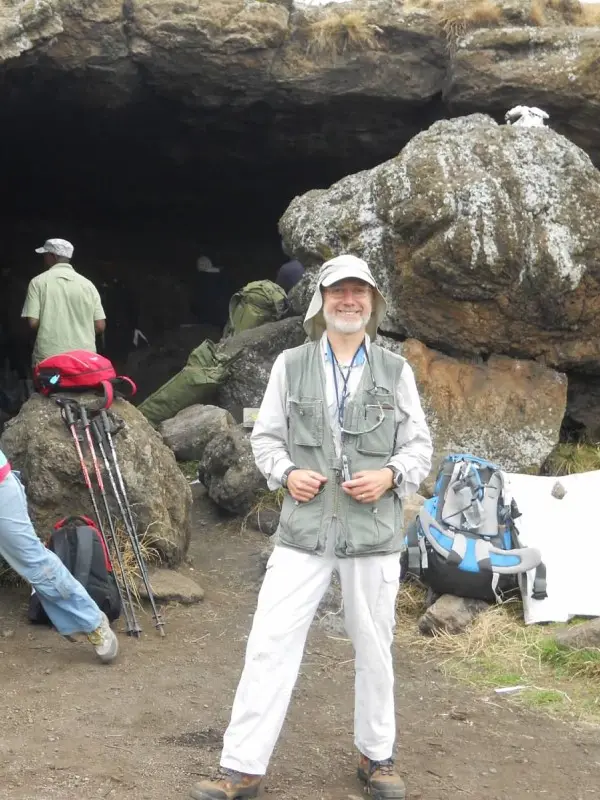
Think in Layers, Not One Heavy Outfit
Temperatures and conditions can change considerably during a Kilimanjaro trek. A layered clothing system allows you to add or remove clothing as conditions change rather than relying on one heavy jacket for the entire climb.
KHT's porter-carried duffel allowance is 15 kg (approximately 33 lb) per climber. Pack additional daily essentials in your daypack, which stays with you during each hiking day. Keep the duffel within the allowance and distribute your equipment before arriving in Tanzania.
Hiking Gear
Hiking boots, trekking poles, socks and a comfortable 30–35 litre daypack.
Clothing Layers
Base layers, insulating layers and waterproof outer clothing.
Summit Night
Warm layers, gloves, headwear and a reliable headlamp.
Sleeping Gear
A sleeping bag suitable for freezing mountain nights. Bring your own or reserve a suitable rental bag through KHT.
Personal Essentials
Sun protection, hydration items, toiletries and personal medication.
KHT offers mountain equipment rental exclusively to climbers booked with Kilimanjaro Hiking Tours. Reserve the equipment you need in advance, subject to availability, so that it can be checked and fitted during your pre-climb briefing.
Choose Your Kilimanjaro Route & When to Climb
Two of the most important decisions when preparing to climb Kilimanjaro are choosing an itinerary that allows enough time on the mountain and selecting travel dates that suit the conditions you are comfortable hiking in.
Give Yourself Time to Acclimatise
The shortest route is not automatically the best choice. Compare route length, rate of ascent, scenery, accommodation and acclimatisation when deciding how you want to climb.
A longer western approach with varied scenery and excellent opportunities for acclimatisation.
A classic scenic option with a well-paced itinerary when completed over seven days.
The main Kilimanjaro option for climbers who prefer mountain huts instead of tents. We recommend the 6-day itinerary over the shorter 5-day option to allow more time for acclimatisation.
Choose a Time of Year That Suits You
Kilimanjaro can be climbed year-round, but rainfall, visibility, trail conditions and the number of hikers on the mountain can vary by season.
Often chosen by hikers looking for an alternative to the busy mid-year climbing season.
Generally one of the most popular times to climb, with a lower chance of prolonged rainfall than during the main wet season.
April, May and November are generally wetter periods on Kilimanjaro. Rain can make trails wetter and muddier, especially on the lower slopes, although mountain weather can change at any time of year.
Consider how many days you can spend on the mountain, the type of accommodation and scenery you prefer, your acclimatisation needs and the conditions you are comfortable hiking in before confirming your climb.
Before You Travel to Tanzania
Once your route, training and equipment are organised, turn your attention to the practical details of travelling to Tanzania. Taking care of these arrangements early helps you arrive in Moshi ready for your pre-climb briefing and the start of your Kilimanjaro adventure.
Book Your Flights
Kilimanjaro International Airport (JRO) is the most convenient airport for climbs based in Moshi. When booking connecting flights, allow sufficient connection time for yourself and your luggage. Consider possible delays when planning your arrival.
Check Your Travel Documents
Check that your passport meets Tanzania's current entry requirements. Confirm the visa rules for your nationality, including any transit requirements if you are travelling through another country. Keep copies of important travel documents accessible.
Arrange Climbing Insurance
Every KHT climber must independently obtain personal travel and climbing insurance covering high-altitude trekking to 5,895 m, altitude-related medical emergencies, rescue and evacuation. KHT does not arrange or purchase this insurance.
Review Your Health Requirements
Consult an appropriate healthcare professional before travelling about your medical history, prescription medication, vaccinations and altitude-related considerations. Confirm any vaccination certificate requirements relevant to your itinerary, including transit countries, and carry sufficient personal medication.
Arrange Your Airport Transfer
Our Kilimanjaro climbs are based in Moshi. Airport transfers are not included in KHT climbing packages. Transfers between Kilimanjaro International Airport (JRO) and your hotel can be arranged on request at an additional cost. Confirm arrangements before you travel.
Make Your Final Checks
Recheck your luggage and equipment, keep important documents and personal medication in your hand luggage, and save your accommodation and emergency contact details. Pack personal hygiene essentials, hand sanitiser and supplies you may need during your journey and climb.
Pre- and Post-Climb Accommodation in Moshi
Our standard Kilimanjaro climbing packages include two hotel nights in Moshi: one before your climb and one after. Accommodation is normally at Chanya Lodge or a similar hotel, subject to availability.
Included
Before purchasing your policy, confirm that high-altitude trekking up to 5,895 metres, altitude-related medical emergencies, rescue and evacuation are covered. Each climber is responsible for obtaining suitable insurance independently. Kilimanjaro Hiking Tours does not arrange or purchase personal insurance.
Prepare for the Experience, Not Just the Climb
Physical training and the right equipment are important, but Kilimanjaro also requires patience and determination. There will be long hiking days, changing weather, tired legs and moments when continuing feels difficult. Preparing mentally for those moments is part of preparing to climb Kilimanjaro.
Take Kilimanjaro One Day at a Time
You do not need to spend every day thinking about the summit. Focus on the day's hike, eating, drinking, resting and listening to your guides. Breaking the climb into manageable stages can make a very large challenge feel much more achievable.
Be Patient
The deliberately slow pace can feel unusual at first. Accept the rhythm of the mountain and resist the temptation to push ahead simply because you feel strong.
Expect Difficult Moments
Feeling tired or uncomfortable does not automatically mean your climb is going badly. However, never dismiss unusual or worsening symptoms as ordinary fatigue. Report any concerns to your guide immediately.
Stay Positive
A positive but realistic attitude can help when the trail, weather or fatigue becomes challenging. Concentrate on the next manageable goal rather than the entire mountain.
Communicate With Your Guide
Do not hide how you feel because you are worried about disappointing the group. Your guide needs accurate information about how you are coping throughout the climb.
Be Mentally and Practically Ready for Summit Night
The summit attempt normally begins late at night. You will be hiking in darkness, at high altitude and in very cold conditions after several days already spent on the mountain. For many hikers, summit night is particularly demanding. Preparing your equipment before resting helps make the departure more manageable.
Once the climb begins, keep your pace slow and steady, follow your guide's instructions and communicate immediately if you feel unwell.
Kilimanjaro is more than summit night. Take time to enjoy the changing landscapes, your fellow hikers, your mountain team and the experience of spending several days trekking on Africa's highest mountain.
Preparing to Climb Kilimanjaro: FAQs
Still have questions before your climb? Here are practical answers to some of the most common questions hikers ask when preparing for Mount Kilimanjaro.
How do I prepare for climbing Kilimanjaro?
Start by choosing a suitable route and itinerary, allowing enough time for gradual fitness training, and checking the travel requirements for Tanzania. Practise walking on hills, test your hiking boots and equipment, arrange the necessary insurance and prepare for changing weather conditions. Understanding altitude, pacing and the demands of consecutive hiking days is equally important.
How far in advance should I start training for Kilimanjaro?
Ideally, begin preparing several months before your climb, particularly if you are not already walking or exercising regularly. A structured eight- to twelve-week period of hiking-specific training can be useful, depending on your starting fitness. KHT also provides an eight-week training programme for booked climbers. Build gradually and allow time for recovery.
How fit do I need to be to climb Kilimanjaro?
You do not need to be an elite athlete, but you should have sufficient endurance for several consecutive days of hiking. Long walks, regular hikes, cardiovascular exercise and practical leg and core strength training can all help. Being physically fit does not, however, guarantee successful acclimatisation.
Can a beginner climb Kilimanjaro?
Yes, hikers without previous high-altitude trekking experience can attempt Kilimanjaro. Most established routes do not require technical climbing skills, but the trek is physically demanding and altitude presents a significant challenge. Beginners should train beforehand, choose an itinerary with good acclimatisation opportunities and follow their mountain guides' advice throughout the climb.
Can I prepare for Kilimanjaro if I live at sea level?
Yes. You can develop hiking endurance through long walks, stairs, incline treadmill sessions, strength training and regular hikes where suitable terrain is available. Living near mountains is not essential for physical preparation. However, training at sea level does not itself acclimatise you to Kilimanjaro's high altitude, so choosing an appropriate itinerary remains important.
What size daypack do I need for Kilimanjaro?
A comfortable daypack of approximately 30–35 litres is suitable for most climbers. You will carry daily essentials such as drinking water, snacks, rain protection, warm layers and personal items. Your mountain duffel is carried separately by a porter, with a personal luggage allowance of 15 kg.
What should I expect on Kilimanjaro summit night?
Summit night normally begins late at night and involves hiking in darkness, freezing conditions and very thin air. Prepare warm clothing, gloves, headwear, a tested headlamp with spare batteries, accessible snacks and drinking water protected from freezing. Organise your equipment before resting, follow your guide's pace and report any altitude-related symptoms immediately.
Do I need travel insurance to climb Kilimanjaro?
Yes. Insurance is mandatory for every KHT climber. Each person must independently obtain personal travel and climbing insurance covering high-altitude trekking to 5,895 metres, altitude-related medical emergencies, rescue and evacuation. Standard travel insurance may exclude these activities. Kilimanjaro Hiking Tours does not arrange or purchase this insurance for climbers.
Your Kilimanjaro Adventure Starts Here
Good preparation begins with choosing the right climb. Join one of our scheduled Kilimanjaro group departures or plan a private climb around your preferred dates and itinerary.