

Remote Northern Kilimanjaro
Kilimanjaro Northern Circuit Route
A 9-Day Journey Around Kilimanjaro’s Quieter Northern Slopes
Explore one of Kilimanjaro’s longest and quietest trekking routes, approaching from the west before traversing the remote northern slopes. The 9-day Northern Circuit provides a gradual acclimatisation profile, varied scenery and a distinctive journey around much of the mountain.
Follow the Trail
Kilimanjaro Northern Circuit Route Map
The Northern Circuit begins on Kilimanjaro’s western side, crossing the Shira Plateau before turning north around the quieter slopes of the mountain. The trail continues towards Kibo for the summit ascent before descending by the Mweka Route.

From the Western Approach Around Kilimanjaro’s Northern Slopes
The Northern Circuit starts on the western side of Kilimanjaro and follows the Lemosho approach across the Shira Plateau. Instead of continuing onto the busier southern circuit, the trail turns north through Moir Hut, Pofu and Third Cave before reaching Kibo. Climbers then ascend towards Uhuru Peak and descend on the Mweka Route.
Approach
Western side of Kilimanjaro
High Point
Uhuru Peak · 5,895 m
Descent
Mweka Route
What Makes This Route Different
Why Choose the Northern Circuit Route?
The Northern Circuit combines a western approach to Kilimanjaro with a long traverse around the mountain’s quieter northern slopes, creating a very different experience from the more frequently used southern routes.
The route initially follows the Lemosho approach across the Shira Plateau before turning north towards Moir Hut. From there, climbers continue through remote high-altitude terrain via Pofu and Third Cave before reaching Kibo for the summit ascent. The longer 9-day itinerary also gives more time for gradual acclimatisation along the way.
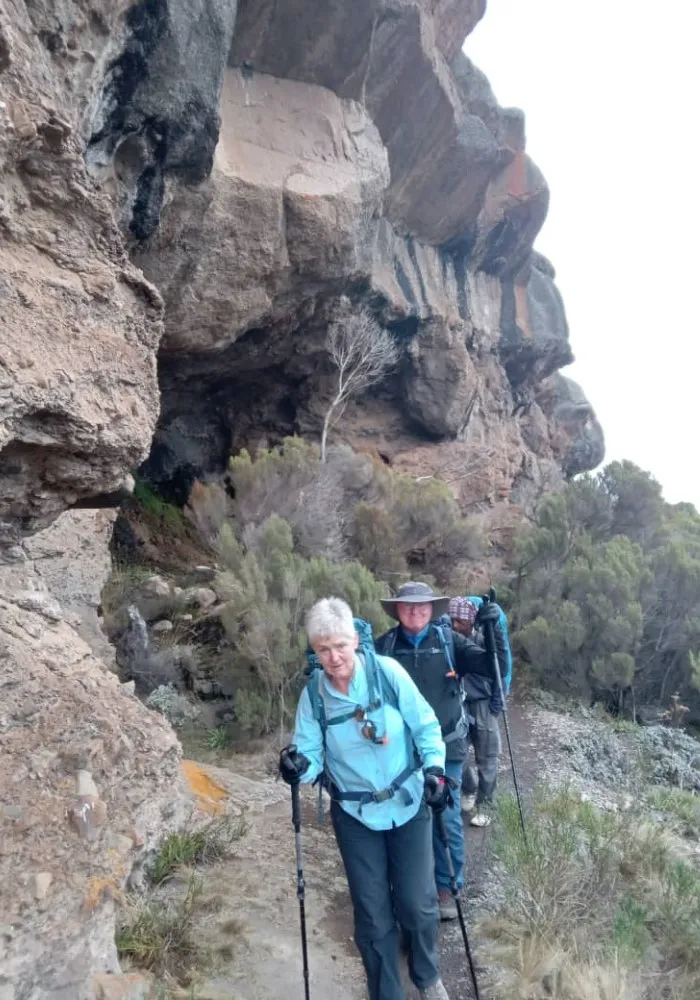
Quieter Northern Traverse
After leaving the Shira area, the trail moves onto the northern side of Kilimanjaro where fewer trekking groups normally travel.
Longer Acclimatisation Profile
The recommended 9-day itinerary spreads the climb over more days, allowing additional time to adjust gradually to the increasing altitude.
Varied Mountain Scenery
Climbers experience rainforest, the open Shira Plateau, remote northern landscapes and high-altitude alpine desert before the summit climb.
Extensive Kilimanjaro Journey
The route travels around a large part of Kilimanjaro before reaching Kibo, then descends on the southern side via the Mweka Route.
One Thing to Consider
The Northern Circuit requires more time on the mountain than routes such as Machame or Lemosho and the additional trekking days generally make it a more expensive option. Summit night is still physically demanding, so the longer itinerary should be viewed as giving more time for acclimatisation rather than making the climb automatically easy.
Preparing for the High Mountain
Northern Circuit Difficulty, Acclimatisation & Summit Night
The Northern Circuit gives climbers more time to acclimatise than many shorter Kilimanjaro routes, but it is still a demanding high-altitude trek. The length of the route, cumulative fatigue and summit night all require good preparation and steady pacing.

How Difficult Is the Northern Circuit?
The Northern Circuit is not technically difficult, but the route involves many consecutive trekking days at altitude. Climbers need enough fitness for sustained walking, changing terrain and the long summit day. Altitude remains the biggest challenge.
Acclimatisation on the 9-Day Route
The 9-day itinerary gives climbers more time to gain altitude gradually. The route also includes higher exposure around Lava Tower before descending towards Moir Hut, followed by several days traversing the northern slopes before reaching Kibo.
What to Expect on Summit Night
The summit attempt normally begins around midnight from Kibo. Climbers ascend towards Gilman’s Point on the crater rim before continuing to Uhuru Peak. The cold, darkness, altitude and length of the day make this the most physically demanding part of the climb.
Route Style
Long, Gradual Traverse
Main Challenge
Altitude & Summit Night
KHT Recommendation
Choose the 9-Day Itinerary
More Days Help — but Altitude Still Matters
The longer Northern Circuit itinerary gives the body more time to adjust, but no Kilimanjaro route removes the risks associated with high altitude. Walking slowly, staying hydrated and following your guide’s advice remain important throughout the climb. KHT guides monitor climbers during the trek and carry emergency oxygen for use when required.
Is the Northern Circuit Right for You?
Who Is the Northern Circuit Route Best For?
The Northern Circuit is particularly well suited to climbers who have more time available and value a longer, quieter journey around Kilimanjaro. Its main strengths are the extended itinerary, varied scenery and remote northern traverse rather than simply being an “easy” route.
Climbers who can allow nine days on the mountain and prefer a longer Kilimanjaro itinerary.
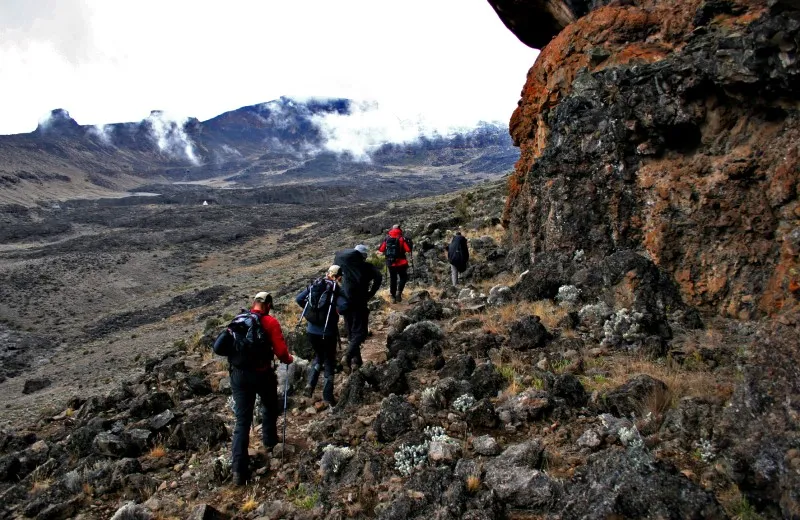
Hikers who value a quieter and more remote trail once the route moves onto Kilimanjaro’s northern side.
Climbers who want additional time for gradual acclimatisation before the final summit attempt.
Those who want to experience several sides of Kilimanjaro rather than following a shorter, more direct ascent.
Planning Your Climb
Best Time to Climb the Northern Circuit Route
The Northern Circuit can be climbed during much of the year, but the drier periods generally provide more favourable trekking conditions. Because this is a long nine-day route, stable weather is especially valuable across the exposed Shira Plateau and northern slopes.
Mid-June to Early October
The main dry season and generally the most reliable period for clearer skies and stable trekking conditions.
December to March
Another good climbing period, although mountain conditions can still change quickly and short periods of rain or snow are possible.
April–May & November
These are generally wetter periods on Kilimanjaro and are usually less suitable for a long camping itinerary such as the Northern Circuit.
Frequently Asked Questions
Kilimanjaro Northern Circuit Route FAQs
These are some of the most common questions climbers ask when considering the Northern Circuit for their Kilimanjaro climb.
How many days does the Northern Circuit Route take?
KHT recommends a 9-day Northern Circuit itinerary. The longer schedule gives climbers more time to acclimatise while travelling across the Shira Plateau and around Kilimanjaro’s northern slopes before summit night.
Is the Northern Circuit Route difficult?
The route does not require technical climbing, but it is still a demanding high-altitude trek. Nine consecutive mountain days, cold conditions, cumulative fatigue and the long summit ascent from Kibo require good preparation and fitness.
Is the Northern Circuit Route crowded?
The western approach initially shares trail with Lemosho climbers, but the Northern Circuit becomes noticeably quieter after turning onto the northern traverse. The trail becomes busier again around Kibo and on shared summit and descent sections.
Where does the Northern Circuit Route start?
The Northern Circuit starts from the western side of Kilimanjaro using the Lemosho approach. Climbers enter through Lemosho Gate and cross the Shira Plateau before turning towards the northern side of the mountain.
Is the Northern Circuit good for acclimatisation?
The 9-day itinerary provides a strong acclimatisation profile because altitude gain is spread across more days. The route also climbs towards Lava Tower before continuing to Moir Hut, followed by several days on the northern traverse before reaching Kibo.
Do you sleep in tents on the Northern Circuit?
Yes. The Northern Circuit is a camping route and climbers sleep in mountain tents throughout the trek. KHT provides the mountain camping equipment included with the climb, while climbers bring or rent their personal sleeping bag.
What is the difference between Northern Circuit and Lemosho?
Both routes begin from Kilimanjaro’s western side and cross the Shira Plateau. Lemosho continues around the southern side of the mountain, while the Northern Circuit turns north and makes a much longer traverse via Moir Hut, Pofu and Third Cave before reaching Kibo.
Which route does the Northern Circuit use for descent?
After reaching Uhuru Peak, climbers descend on the southern side of Kilimanjaro and continue down the Mweka Route. The trek finishes at Mweka Gate on the final day.
The Northern Circuit is particularly suited to climbers who have more time and value a long, quieter route with additional acclimatisation time. Compare it with Lemosho, Machame and Marangu before choosing the Kilimanjaro route that best matches your available time and trekking priorities.
Ready for Kilimanjaro?
Is the Northern Circuit Right for Your Kilimanjaro Climb?
If you have more time available and are looking for a longer, quieter route with an extended acclimatisation profile and remote northern scenery, the Northern Circuit may suit your plans well. Compare the Kilimanjaro routes or get in touch and we’ll help you choose the itinerary that best matches your time, experience and priorities.