

Steep Southern Kilimanjaro
Umbwe Route Kilimanjaro
A Challenging 7-Day Route for Strong, Experienced Hikers
The Umbwe Route is one of Kilimanjaro’s steepest and most direct approaches, climbing quickly through dense forest before reaching Barranco. KHT recommends the 7-day itinerary, which joins the Southern Circuit and provides additional time for acclimatisation before the summit attempt.
Follow the Trail
Kilimanjaro Umbwe Route Map
The Umbwe Route climbs steeply from Kilimanjaro’s southern side through forest and ridge terrain before reaching Barranco. From there, the 7-day itinerary joins the Southern Circuit, continues through Karanga and Barafu, and descends by the Mweka Route.

From Umbwe Gate to the Southern Circuit and Uhuru Peak
The Umbwe Route begins on Kilimanjaro’s southern side and gains altitude quickly through dense forest towards Umbwe Cave. The trail then continues steeply towards Barranco, where it joins the Southern Circuit. KHT’s 7-day itinerary continues via Karanga and Barafu for the summit attempt before descending through Mweka Camp to Mweka Gate.
Approach
Southern side of Kilimanjaro
High Point
Uhuru Peak · 5,895 m
Descent
Mweka Route
What Makes This Route Different
Why Choose the Umbwe Route?
Umbwe offers a steep, direct and relatively quiet approach to Kilimanjaro, climbing rapidly through dense forest and along dramatic ridges before joining the Southern Circuit at Barranco.
The route feels very different from longer approaches such as Lemosho or the Northern Circuit. The first two days gain altitude quickly, creating a more demanding start, while the upper section follows the familiar Southern Circuit through Barranco, Karanga and Barafu before the summit attempt.
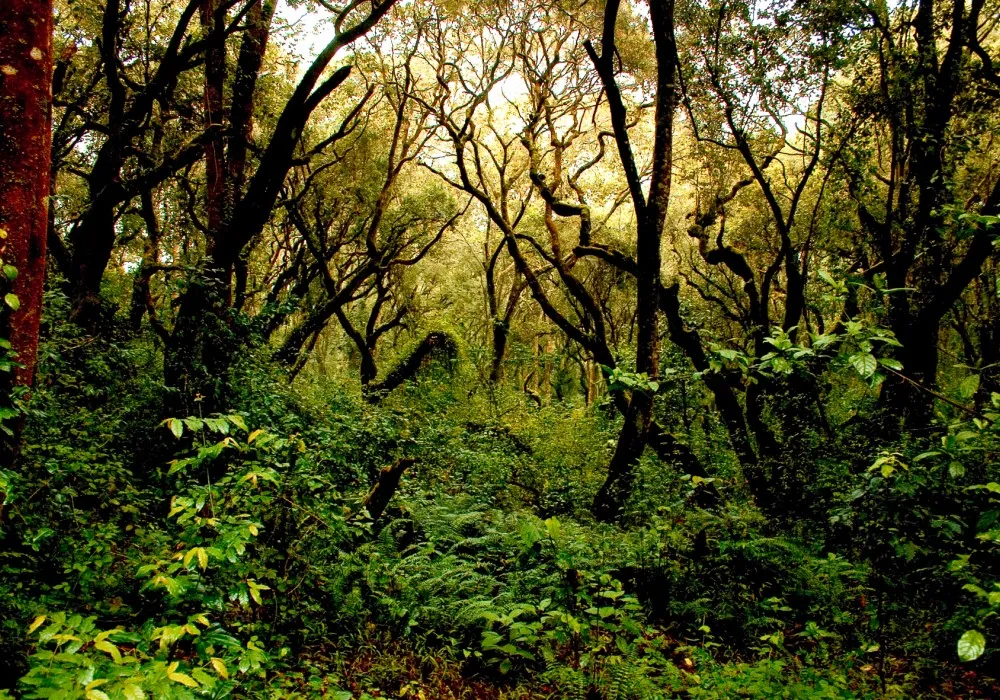
Steep Early Ascent
Umbwe gains altitude quickly during the first two days, making the lower route considerably steeper than most other Kilimanjaro approaches.
Quieter Lower Trail
The lower Umbwe trail generally sees fewer trekking groups than popular routes such as Machame, creating a quieter start to the climb.
Dramatic Forest & Ridge Scenery
Dense rainforest, steep valleys and narrow ridges give the early Umbwe stages a distinctive character before the route reaches the open high-altitude landscape around Barranco.
Southern Circuit Finish
From Barranco, KHT’s 7-day itinerary continues through Karanga and Barafu before approaching Uhuru Peak on the standard southern summit route.
One Thing to Consider
Umbwe gains altitude rapidly during its early stages and therefore provides less gradual acclimatisation than routes such as Lemosho or the Northern Circuit. KHT generally recommends Umbwe to strong hikers, particularly those with previous high-altitude trekking experience, rather than climbers looking for their first introduction to altitude.
Preparing for a Steeper Route
Umbwe Route Difficulty, Acclimatisation & Summit Night
Umbwe is one of Kilimanjaro’s more demanding routes because it gains altitude quickly during the first two days. The recommended 7-day itinerary improves the acclimatisation profile, but climbers still need strong fitness, careful pacing and respect for the effects of altitude.
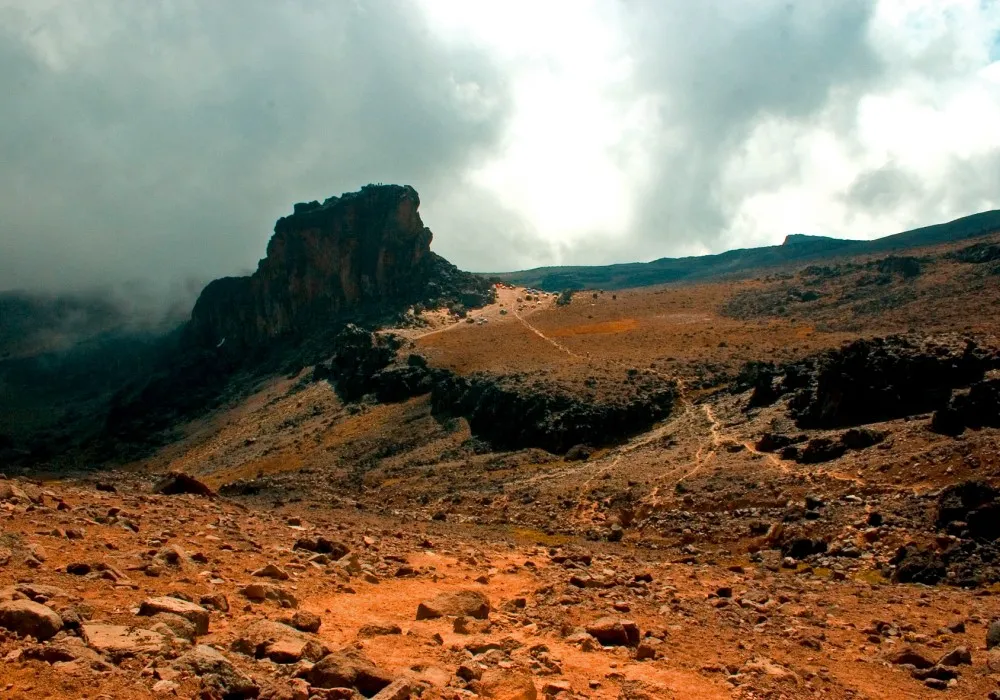
How Difficult Is the Umbwe Route?
Umbwe is not a technical climbing route, but its steep early ascent makes it physically demanding. The first two days involve rapid altitude gain through forest, ridge and moorland terrain before the route reaches Barranco and joins the Southern Circuit.
Acclimatisation on the 7-Day Route
The rapid early ascent is Umbwe’s main acclimatisation disadvantage. KHT’s 7-day itinerary includes an additional day from Barranco towards Lava Tower before returning to sleep lower at Barranco, providing more time for the body to adjust before continuing to Karanga and Barafu.
What to Expect on Summit Night
The summit attempt begins late at night from Barafu. Climbers ascend through the darkness towards Stella Point before continuing around the crater rim to Uhuru Peak. Cold temperatures, altitude and the long descent afterwards make summit day the most demanding stage of the route.
Route Style
Steep & Direct
Main Challenge
Rapid Altitude Gain
KHT Recommendation
Choose the 7-Day Itinerary
A Longer Umbwe Itinerary Helps — but the Route Remains Demanding
Adding an acclimatisation day improves the 7-day Umbwe itinerary, but it does not remove the effects of rapid altitude gain during the lower stages of the route. Walking slowly, staying hydrated and following your guide’s advice remain important throughout the climb. KHT guides monitor climbers during the trek and carry emergency oxygen for use when required.
Is Umbwe Right for You?
Who Is the Umbwe Route Best For?
Umbwe is best suited to strong hikers who are comfortable with a steeper and faster-gaining approach to altitude. It appeals to climbers who value a quieter lower trail and a more demanding start rather than the gradual pacing of routes such as Lemosho or the Northern Circuit.
Strong hikers who are comfortable with steep sustained trekking during the first two days.
Climbers with previous trekking experience, particularly those who have been to altitude before.
Hikers who prefer a quieter and less frequently used lower approach to Kilimanjaro.
Climbers who understand that a shorter approach requires careful pacing and attention to altitude.
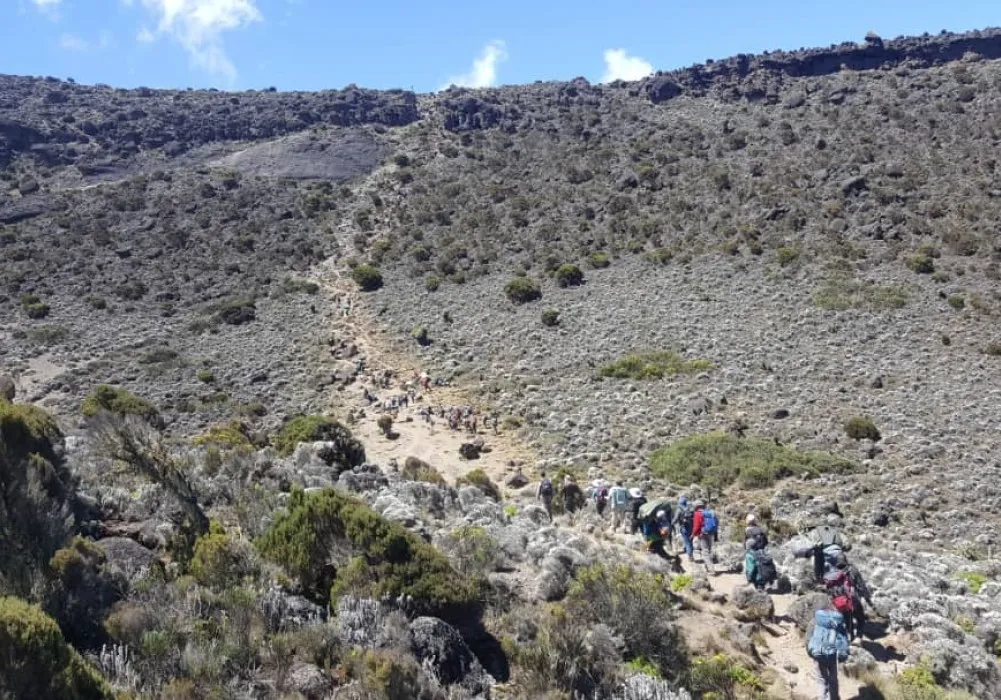
Planning Your Climb
Best Time to Climb the Umbwe Route
Umbwe is generally best climbed during Kilimanjaro’s drier periods. Because the lower route is steep and passes through dense forest, heavy rain can make the trail wetter, muddier and more demanding underfoot.
Mid-June to Early October
The main dry season and generally the most reliable period for more stable trekking conditions.
December to March
Another suitable climbing period, although conditions can still change quickly at higher elevations.
April–May & November
The wetter months are generally less suitable for Umbwe, particularly because the steep forest trail can become muddy and slippery.
Frequently Asked Questions
Umbwe Route Kilimanjaro FAQs
These are some of the most common questions climbers ask when considering the Umbwe Route for their Kilimanjaro climb.
How many days does the Umbwe Route take?
Umbwe can be climbed on shorter itineraries, but KHT recommends the 7-day version. The additional day is used for acclimatisation around Barranco and Lava Tower before continuing towards Karanga and Barafu.
Is the Umbwe Route difficult?
Yes. Umbwe is one of Kilimanjaro’s more demanding approaches because the trail is steep and gains altitude quickly during the first two days. It does not require technical climbing, but good fitness and careful acclimatisation are important.
Is Umbwe suitable for beginners?
Umbwe is generally not KHT’s first recommendation for someone with no previous trekking or altitude experience. Lemosho or another more gradual route normally offers a gentler introduction to high-altitude trekking.
Where does the Umbwe Route start?
The route begins at Umbwe Gate on the southern side of Kilimanjaro. From there it climbs steeply through rainforest towards Umbwe Cave before continuing towards Barranco.
Is the Umbwe Route good for acclimatisation?
Umbwe’s rapid early altitude gain makes its acclimatisation profile less gradual than routes such as Lemosho or the Northern Circuit. KHT’s 7-day itinerary improves this by adding an acclimatisation day around Lava Tower and Barranco.
Does the Umbwe Route use the Western Breach?
No. KHT’s 7-day Umbwe itinerary joins the Southern Circuit at Barranco and continues through Karanga and Barafu. The summit approach is from Barafu via Stella Point rather than the Western Breach.
Do you sleep in tents on the Umbwe Route?
Yes. Umbwe is a camping route and climbers sleep in mountain tents throughout the trek. KHT provides the mountain camping equipment included with the climb.
Which route does Umbwe use for descent?
After reaching Uhuru Peak, climbers descend through Barafu and continue down the Mweka Route. The trek finishes at Mweka Gate on the final day.
Umbwe is best suited to climbers who are comfortable with a steeper, faster-gaining approach and want a quieter start to their Kilimanjaro climb. Compare it with Lemosho, Machame, Marangu and the Northern Circuit before choosing the route that best matches your fitness, altitude experience and available time.
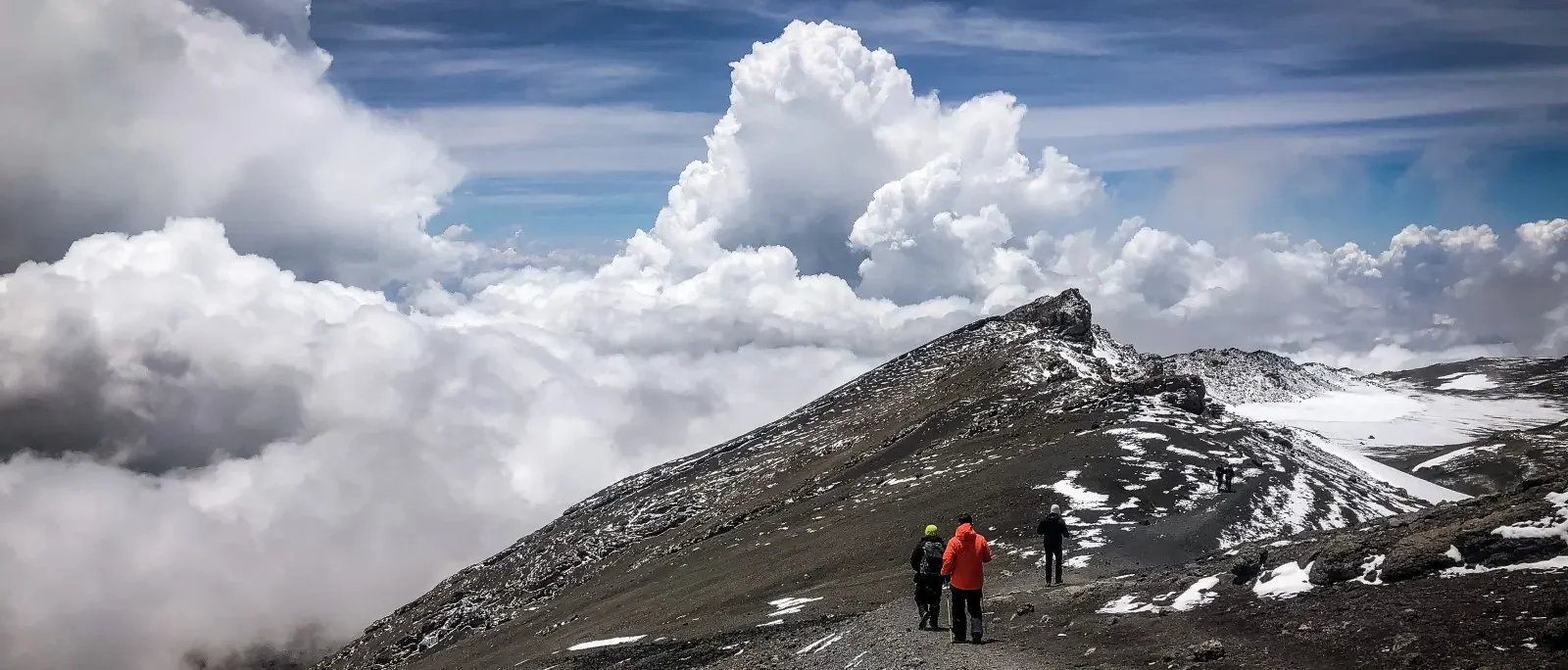
Ready for Kilimanjaro?
Is the Umbwe Route Right for Your Kilimanjaro Climb?
If you are a strong hiker looking for a steeper, quieter approach and are comfortable with faster altitude gain, Umbwe may suit your plans. Compare the Kilimanjaro routes or get in touch and we’ll help you choose the itinerary that best matches your fitness, altitude experience and available time.