

Responsible Kilimanjaro Trekking
KPAP Kilimanjaro & Porter Welfare
Responsible Trekking Starts with Fair Treatment
Kilimanjaro Hiking Tours supports responsible porter welfare through fair working conditions and independent monitoring under the Partner for Responsible Travel programme.
Understanding KPAP
What Is the Kilimanjaro Porters Assistance Project?
The Kilimanjaro Porters Assistance Project — better known as KPAP — works to support fair and ethical treatment of the mountain crew who make Kilimanjaro climbs possible.
KPAP is one of the initiatives associated with the Kilimanjaro Responsible Trekking Organization (KRTO). Its work includes helping monitor the treatment of mountain crew through the Partner for Responsible Travel Programme.
The programme focuses on practical porter-welfare issues such as wages, tipping procedures, load weights, food provision and accommodation. This gives climbers a clearer way to identify trekking companies that are committed to responsible treatment practices.
Responsible porter treatment means looking at the whole working environment — from pay and load limits to meals, shelter and the way tips are handled.
Kilimanjaro Porters Assistance Project
Supporting responsible porter welfare on Mount Kilimanjaro
How They Work Together
KPAP, KRTO & IMEC Explained
These names are often seen together in discussions about responsible Kilimanjaro trekking. Each plays a different role, but all are connected to improving working conditions and supporting more responsible treatment of mountain crews.
KRTO
Kilimanjaro Responsible Trekking Organization
KRTO is the Tanzanian organisation focused on improving working conditions for Kilimanjaro mountain crews and encouraging responsible trekking practices within the local climbing industry.
KPAP
Kilimanjaro Porters Assistance Project
KPAP is an initiative concerned with porter welfare and helps monitor participating trekking operators through the Partner for Responsible Travel Programme.

IMEC
International Mountain Explorers Connection
IMEC supports responsible mountain tourism and has played an important role in the development and support of porter welfare initiatives associated with Kilimanjaro.
For climbers, the important point is simple: responsible porter treatment is supported by recognised organisations and independent monitoring rather than relying only on what a trekking company says about itself.
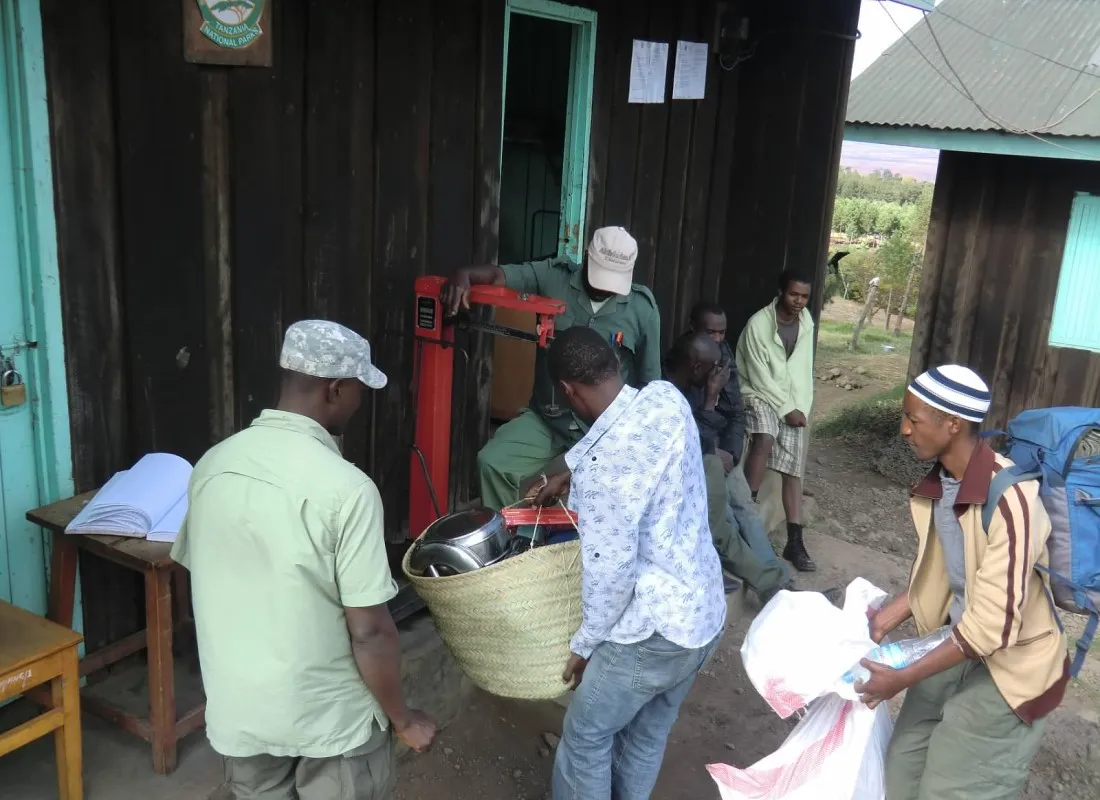
Independent Oversight
What Does KPAP Monitor?
Responsible porter treatment is about much more than the weight of a bag. Through the Partner for Responsible Travel Programme, porter-welfare information is gathered across several important areas of a mountain crew's working conditions.
Crew pay and salary distribution practices.
How tips are handled and distributed to the crew.
Porter loads and compliance with appropriate company-gear weight limits.
Whether adequate meals are provided to mountain crew.
Crew sleeping arrangements, shelter and available sleeping space.
Information and feedback used to support continued responsible porter-treatment practices.
More Than a Promise
Independent Monitoring Helps Keep Standards Accountable
Responsible porter welfare is stronger when working practices can be independently observed and assessed rather than relying only on what a trekking company says about itself.
Through the Partner for Responsible Travel Programme, information is gathered about the treatment and working conditions of mountain crew during Kilimanjaro climbs.
This creates an additional level of accountability and helps participating operators identify where standards are being met and where practices may need attention.
-
Working Conditions Are Observed
Monitoring looks beyond written company policies to practical mountain-crew conditions.
-
Information Is Gathered
Porter welfare practices such as pay, loads, food, accommodation and tipping can be reviewed.
-
Standards Can Be Measured Over Time
Continued monitoring gives participating operators a way to evaluate and maintain responsible practices.
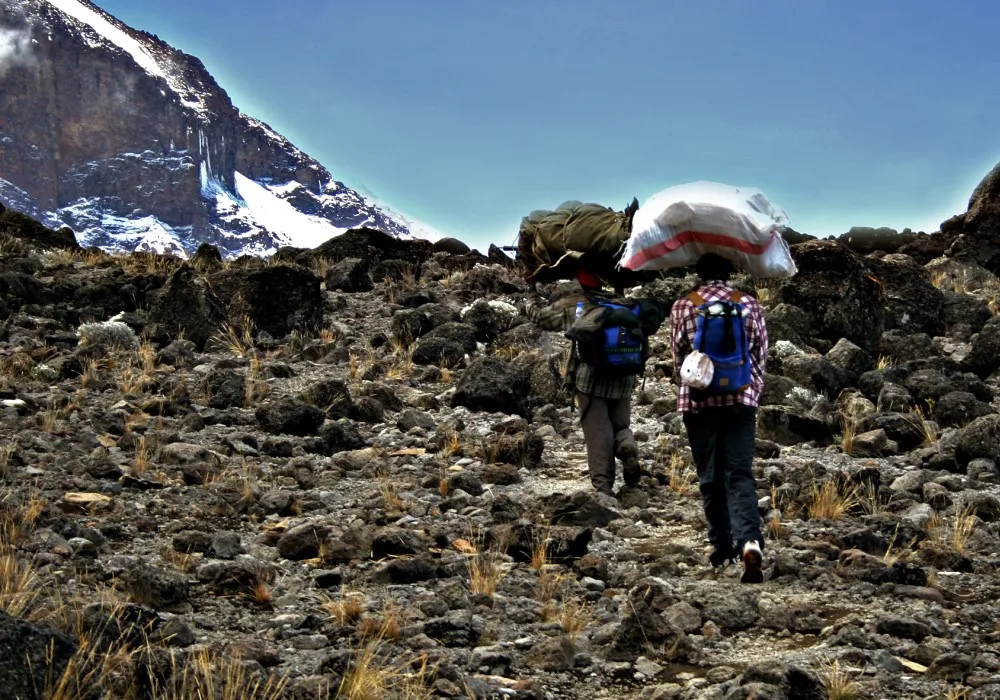
Kilimanjaro porters carry the equipment and supplies that make a mountain expedition possible.
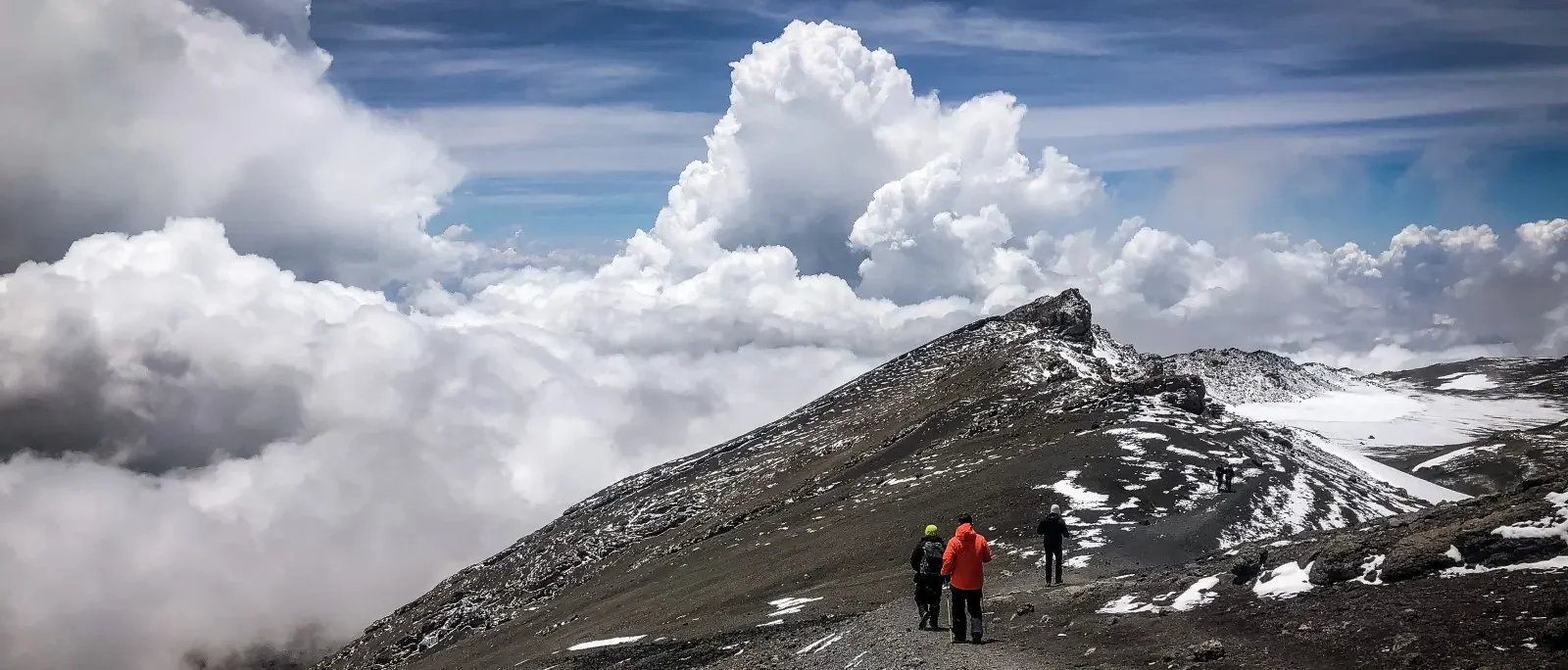
Climb Kilimanjaro Responsibly
Choose a Kilimanjaro Climb That Respects the Whole Team
Your Kilimanjaro experience depends on the guides, porters and cooks who support you throughout the climb. Travel with a team that values responsible porter welfare, experienced mountain support and independently monitored trekking practices.