
Mountain huts and telecommunications antenna on Mount Kilimanjaro

Staying Connected on Kilimanjaro

WiFi on Kilimanjaro: Internet & Mobile Reception

Can You Stay Connected While Climbing?

Yes, you may be able to get online during your Kilimanjaro climb, but don't count on a reliable connection. Mobile reception and internet access are available in some areas, while other stretches of the mountain have little or no signal. Dedicated WiFi is more limited. We'll explain what to expect along the routes, which mobile networks to consider and how to prepare for time offline.
Experience Since 2008 Climb Planning & Firsthand Knowledge
Max 12 Hikers Small Group Climbs
Experienced Guides Local Mountain Operations Team
KPAP & KRTO Responsible Porter Welfare โ˜… Rated Excellent Trustpilot Reviews

The Quick Answer

Is There WiFi or Mobile Reception on Kilimanjaro?

Yes, it's possible to stay in touch while climbing Kilimanjaro, but not everywhere and not all the time. Some camps and stretches of trail have mobile reception, and there are internet facilities along parts of the Marangu Route. However, coverage can disappear unexpectedly. Here's the difference between phone signal, mobile data and WiFi, and what you should prepare for.

Mobile Reception

Your phone may connect at some camps and along parts of the trail. Signal strength depends on the network, terrain and your location. Even a spot that worked yesterday might not provide a usable connection today.

Mobile Internet

If you have a usable data connection, you may be able to send WhatsApp messages, check email or share a quick update with home. A phone signal doesn't always mean internet will work, particularly in remote areas.

WiFi on Marangu

Internet infrastructure has been installed at locations along the Marangu Route, including some mountain huts. However, WiFi access and reliability aren't guaranteed, and charges or access arrangements may change.

Charging Your Phone

Don't expect mains charging at camps on routes such as Lemosho and Machame. Bring a fully charged power bank, keep your electronics protected from the cold and download anything important before starting the climb.

Our advice: Let family know in advance that you might be out of contact for several days. Use WiFi or mobile data when available, but plan your Kilimanjaro climb as though you may have no internet access. Your phone is useful for photos and occasional messages; it shouldn't be your only means of handling an emergency.
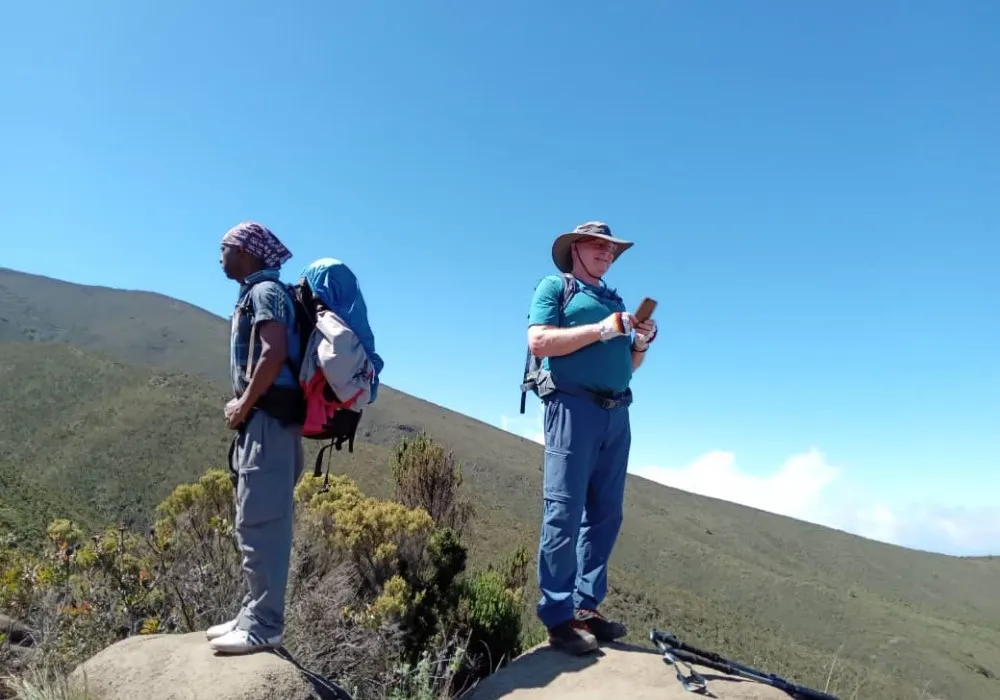
Hiker checking a mobile phone during a trek on Mount Kilimanjaro

Phone Signal on the Mountain

Mobile Reception on Kilimanjaro: Where Can You Get a Signal?

Mobile reception on Kilimanjaro is patchy, but it isnโ€™t determined by altitude alone. Your phone might pick up a signal on an exposed stretch of trail and lose it a short distance later, especially when the route passes behind a ridge or into a valley.

Your location, the surrounding terrain and the mobile network youโ€™re using all make a difference. Some camps and sections of the climbing routes have coverage, while others donโ€™t. Even when your phone shows signal bars, there may not be enough bandwidth for a reliable internet connection.

At camps: Some campsites may have usable reception, but availability varies by location and network. Donโ€™t assume every overnight stop will have a signal.

Calls versus internet: A connection thatโ€™s good enough for a short voice call or text message may still struggle with WhatsApp photos, browsing or video calls.

When signal disappears: Keep your phone in airplane mode until you want to check reception. This can help conserve battery because your phone wonโ€™t constantly search for a network.

A practical tip: If you get a good signal, send a short message home rather than trying to upload lots of photos. Save the larger uploads for when youโ€™re back in Moshi with a more reliable connection.

Choosing a Mobile Network

What Is the Best Mobile Network for Kilimanjaro?

If you're thinking of buying a Tanzanian SIM card for your climb, you'll probably come across Vodacom, Yas and Airtel. All three operate in Tanzania, but we wouldn't promise that one will work throughout your Kilimanjaro trek. Coverage on the mountain is very different from having a good connection in Moshi. The most useful choice depends on your route and where you hope to get a signal.

Mobile Network

Vodacom Tanzania

Vodacom is one of Tanzania's established mobile operators. It's worth considering if you want a local SIM for your time in Moshi and occasional connectivity during your Kilimanjaro climb.

Before choosing: Ask whether hikers have recently had a usable Vodacom signal along your intended route. Don't assume coverage at every campsite.

Formerly Tigo

Yas Tanzania

Yas is the current name of the network previously known as Tigo Tanzania. If you've seen older Kilimanjaro advice recommending Tigo, that advice is referring to the operator now branded Yas.

Before choosing: Check current coverage and data options. A strong connection in town does not guarantee the same performance on the mountain.

Mobile Network

Airtel Tanzania

Airtel is another established Tanzanian operator. It can be useful for calls and mobile data before or after your trek, including when you're arranging transfers or contacting home.

Before choosing: Check that the SIM or eSIM package covers Tanzania and ask about likely reception on your climbing route.

What about TTCL? Tanzania Telecommunications Corporation (TTCL) is also relevant to connectivity on Kilimanjaro. It developed communications infrastructure along the Marangu corridor, with internet service reaching Uhuru Peak in December 2022. That is an important development, but it doesn't mean every visiting hiker will automatically have access through their own SIM card, or that service will always be available. You can read more in the Tanzanian government's announcement.

Which Network Would We Recommend?

We recommend checking recent reception reports for your particular route rather than choosing solely by brand. Ask our team what hikers have experienced recently, especially at the camps where you'll be staying. Conditions change, and an operator that works in one area may have little signal in another.

If you decide to buy a local SIM or eSIM, arrange it before leaving Moshi. Make sure your phone is unlocked, your chosen package includes data and you understand any registration or activation requirements. We'll cover SIM cards and roaming in more detail later on this page.

Whichever network you choose, don't make being connected an essential part of your climb. A local SIM can be useful, but it cannot guarantee contact with home throughout the trek.

Coverage by Climbing Route

WiFi & Mobile Reception on Lemosho, Machame and Marangu

Not all Kilimanjaro routes offer the same opportunities to get online. Lemosho and Machame are camping routes where hikers rely mainly on mobile reception when it is available. Marangu is different because it has permanent mountain huts and established internet infrastructure.

Lemosho Route

Mobile Reception on Lemosho

Lemosho starts on Kilimanjaro's western side, well away from the busy town areas. The first days take hikers through forest and more remote sections of the mountain, where getting a signal can be particularly unpredictable.

As the route reaches the Shira Plateau and later joins the southern circuit, there may be opportunities to connect at certain camps or exposed viewpoints. That doesn't mean you'll have reception at every stop. Signal can disappear between camps and around sheltered valleys.

Useful to know: If you need to send a message, ask your guide whether there is a spot around camp where hikers have recently managed to connect.

Machame Route

Mobile Reception on Machame

Machame begins through rainforest before climbing towards the Shira Plateau, Barranco and the higher southern slopes. Reception is variable along the route. You may be able to get a signal at certain camps, but forest, valleys and ridges can affect coverage.

Machame and Lemosho eventually share several of the same camps and trails, so their connectivity becomes similar on those sections. Don't assume that a signal at one camp means you'll have it at the next.

Useful to know: A short WhatsApp message may get through when a larger photo upload or video call won't. Keep your communication simple if the signal is weak.

Marangu Route โ€” Mountain Huts

Is WiFi Available at the Marangu Huts?

The Marangu Route has an important difference: hikers stay in permanent huts rather than tents. Internet and telecommunications infrastructure has been installed along this corridor, including around Mandara, Horombo and Kibo. That can provide opportunities to connect that are not normally available through dedicated WiFi facilities on the camping routes.

However, installed infrastructure is not a guarantee that WiFi will be working or accessible to every visitor. Service availability, login arrangements and any charges may change. We recommend checking current access arrangements before your departure rather than planning around an internet connection at a particular hut.

Our advice: Choose your Kilimanjaro route for its acclimatisation schedule, scenery and suitability for your experienceโ€”not because it may offer better phone reception. Any opportunity to connect with home is a welcome extra.

Getting Your Phone Ready

SIM Cards, eSIMs & Roaming for Kilimanjaro

If you'd like to use your phone in Tanzania, sort out your mobile connection before heading up Kilimanjaro. There are three main options: use your usual phone plan with international roaming, buy a Tanzanian SIM card or arrange a travel eSIM.

The best choice depends on your phone, your home provider and how much data you expect to use. Here's what to check before deciding.
International Roaming

Convenient if you want to keep using your normal phone number. Before travelling, ask your provider whether Tanzania is included in your roaming package, which local networks it uses and what calls, messages and data will cost. Without a suitable bundle, roaming charges can add up quickly.

Tanzanian SIM Card

A practical choice if you want local calls and data during your stay. You can ask about SIMs from operators such as Vodacom, Yas or Airtel. Buy from an authorised provider, bring your passport and allow time for the required registration and identity checks. Check that your phone is unlocked before travelling.

Travel eSIM

Useful if your phone supports eSIM and you'd rather arrange data before your trip. Check that the package includes Tanzania, which network it connects to, when its validity starts and whether it provides data only or also includes calls and SMS. Some travel eSIMs may need an internet connection for initial activation.

KHT tip: Set up your SIM, roaming or eSIM and test it while you're still in Moshi. Send a WhatsApp message, check that mobile data works and download any important documents or offline maps. Once you're on the mountain, sorting out a phone connection can be difficult.
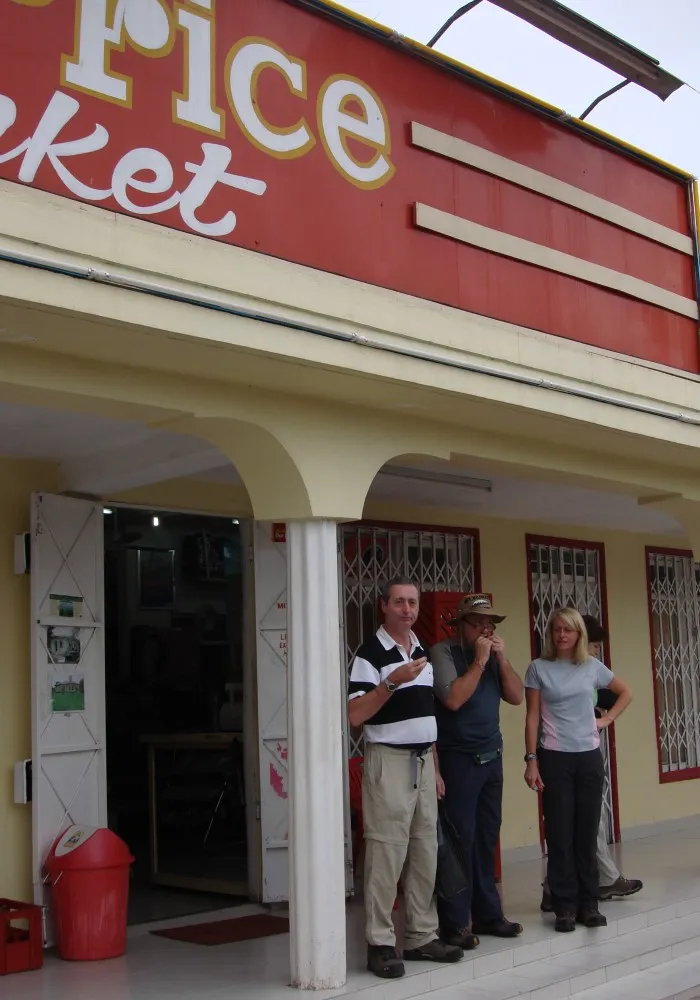
Travellers stopping in Moshi before their Kilimanjaro climb
It's worth sorting out your phone and other last-minute preparations before leaving Moshi.

Power on the Mountain

Charging Your Phone on Kilimanjaro

On camping routes such as Lemosho and Machame, you shouldn't expect plug sockets or mains electricity at camp. Your phone, camera and other electronics need to last several days, so it's worth planning your battery power before leaving Moshi.

Bring a Reliable Power Bank

A power bank is the simplest way to keep your phone charged on Kilimanjaro. As a practical starting point, many hikers consider a 10,000โ€“20,000 mAh power bank, depending on how often they use their phone and how long they'll be on the mountain.

If you take lots of photographs, record videos or charge a smartwatch as well, you'll use more power. Check how many times your particular power bank can recharge your phone, and allow for reduced performance in cold weather.

Fully charge everything at the hotel before your climb and pack a working cable. A power bank is useful only if you have the right connection and enough stored charge for the days ahead.

Make Your Battery Last

Lower your screen brightness, use battery-saving mode and close apps you don't need. Switch off mobile data when you're not using it.

Plan for Several Days

Think about your whole itinerary, not just summit night. A seven- or eight-day climb means several days without a normal opportunity to recharge.

Protect Your Electronics

Keep your phone, cable and power bank in a protective pouch away from rain, dust and condensation. Check that charging ports stay dry.

Keep Batteries from Getting Too Cold

Store your phone and power bank in a protected inside pocket or insulated pouch, especially overnight and on summit day.

Cold-weather advice: Batteries can seem to drain unusually quickly in freezing conditions. Keep them protected while stored, but let a very cold device warm gradually to a safe temperature before attempting to recharge it. Do not charge electronics inside your sleeping bag or beneath bedding.

Flying with a power bank: Pack it in your hand luggage, not your checked bag. Check the battery's watt-hour (Wh) rating and your airline's current restrictions before travelling to Tanzania.

Keeping Family Informed

Staying in Contact With Family While Climbing Kilimanjaro

It's natural for family and friends to want updates while you're climbing Kilimanjaro. The easiest way to avoid unnecessary worry is to agree on a communication plan before you leave Moshi, rather than promising you'll send a message every evening.

Share Your Itinerary

Give someone at home your route, climbing dates and expected return date, along with KHT's contact details. They'll know when you're due back in Moshi and who to contact if they have a genuine concern.

Agree on Check-Ins

Tell family that messages will depend on reception. You may manage a quick update at one camp and have no service at the next. Avoid setting fixed daily check-in times that you may not be able to meet.

Know Who to Contact

If family members are worried, they can contact our team using the details provided before your climb. A missed message does not necessarily mean something is wrong, but concerns should be directed to the operator rather than relying only on your personal phone.

A Simple Conversation Before Your Climb Makes a Difference

Let your family know you'll be spending several days on a remote mountain, where internet access isn't always possible. Agree that you'll send updates when you can, rather than on a fixed schedule. That way, a quiet phone doesn't automatically cause worry back home.

Important: Personal phone reception is not a substitute for your mountain team's safety and emergency procedures. If you'd like to understand how KHT manages health checks, emergencies and evacuation arrangements, read our Safety on Kilimanjaro guide .

Frequently Asked Questions

WiFi, Mobile Reception & Internet FAQs

Have a particular question about using your phone on Kilimanjaro? These quick answers cover WiFi, mobile networks, messaging, charging and staying in touch while you're on the mountain.

Is there WiFi on Mount Kilimanjaro?

There are some opportunities to access WiFi or internet services on Kilimanjaro, but availability depends on the route. Marangu has installed communications infrastructure around its mountain huts, although access, charges and reliability can vary.

On camping routes such as Lemosho and Machame, you should not expect a dedicated campsite WiFi service. Hikers generally rely on mobile data where reception is available.

Is there mobile reception on Kilimanjaro?

Yes, at certain locations. You may pick up a signal at some camps or exposed sections of trail, but coverage depends on the network and surrounding terrain. Your phone can lose reception even after working well earlier in the day.

Read our guide to mobile reception on Kilimanjaro for more practical details.

Can I use WhatsApp on Kilimanjaro?

Yes, if you have a working mobile data or WiFi connection. A short WhatsApp message may send successfully even when slower connections make photographs, video calls or large uploads difficult.

Messages can also remain pending until your phone reconnects, so don't assume everything you've written has been delivered.

Which mobile network is best for Kilimanjaro?

Vodacom, Yas and Airtel are among the main Tanzanian mobile operators to consider, but we cannot recommend one as the most reliable across every Kilimanjaro route.

The better approach is to check recent coverage reports for your chosen route and the local network used by your SIM or eSIM. See our mobile network comparison .

Should I buy a Tanzanian SIM card?

A local SIM can be a good option if you want calls and mobile data during your stay in Tanzania, especially before and after the climb.

Check that your phone is unlocked, buy from an authorised seller and bring your passport for registration. You should test the SIM while you're still in Moshi.

Will a travel eSIM work on Kilimanjaro?

It may work wherever the Tanzanian network used by your eSIM has suitable coverage. Check which local operator your provider connects to, whether Tanzania is included and whether your phone supports the eSIM.

Arrange activation before the trek so you can test the connection in Moshi rather than trying to troubleshoot it on the mountain.

Can I charge my phone on Kilimanjaro?

Don't count on plug sockets or mains electricity at camps on Lemosho or Machame. Bring a fully charged power bank and enough battery capacity for your entire trek.

If you're flying with a power bank, pack it in your carry-on luggage and check your airline's battery restrictions. More advice is in our phone charging section .

Is there internet at Uhuru Peak?

Communications infrastructure has reached the Kilimanjaro summit area, but that doesn't guarantee that every hiker will have a working internet connection at Uhuru Peak. Access depends on the service, network and conditions at the time.

Summit night is demanding and often extremely cold. Don't plan to make live calls or upload summit photographs while you're there; focus on staying warm, following your guide and descending safely.

Should I put my phone in airplane mode?

Yes, when you don't need a mobile connection. Airplane mode can help conserve battery by stopping your phone from continually searching for a weak network.

Turn mobile connectivity back on when you want to check reception, and use battery-saving mode to reduce power consumption.

What if my family cannot contact me during the climb?

A missed call or unanswered message does not necessarily mean something is wrong. You may simply be somewhere without reception.

Before the climb, give family your route, expected return date and KHT's contact details. If they have a genuine concern, they can contact our team rather than relying entirely on your mobile phone.

One Last Thing Before Your Climb

Check that your phone is ready, download anything important and make sure someone at home knows your itinerary. Then enjoy your time on the mountain. You'll have opportunities to reconnect when you get back, even if the signal disappears during the trek.

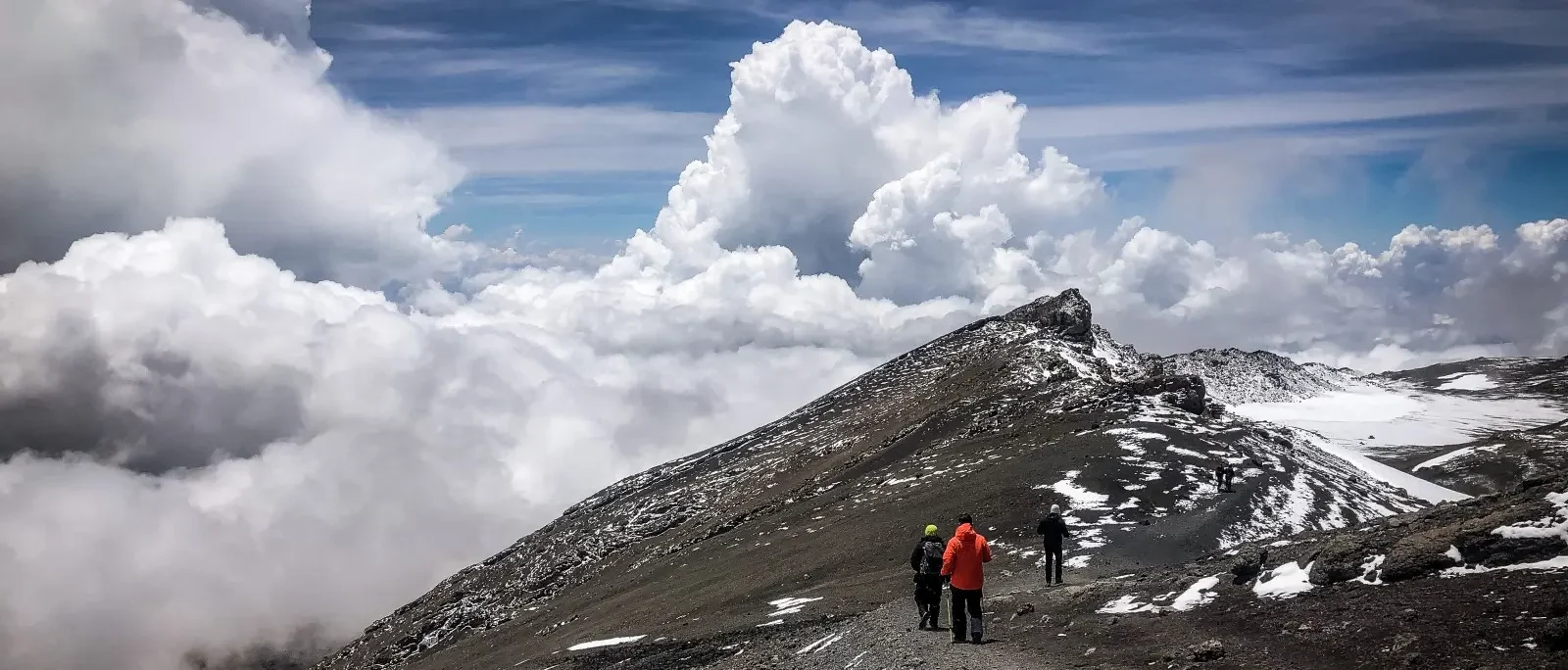
Hikers walking above the clouds on Mount Kilimanjaro

Your Kilimanjaro Journey

Your Kilimanjaro Adventure Starts Here

There's plenty to think about before climbing Kilimanjaro, from choosing the right route to packing for changing weather and preparing for the altitude. We're here to help you work through those decisions, so you know what to expect before you set foot on the mountain.

Climb Planning Experience Since 2008 Maximum 12 Hikers Experienced Local Guides