
How Long Does It Take to Climb Kilimanjaro?
Most Kilimanjaro climbs take 5 to 9 days on the mountain, depending on the route and itinerary. Because a longer itinerary allows more time to acclimatise to the increasing altitude, we recommend the 7-day Machame Route or 8-day Lemosho Route for most climbers.
How Many Days Does It Take to Climb Kilimanjaro?
The number of days needed to climb Kilimanjaro depends mainly on the route and itinerary you choose. Although some routes can be completed in fewer days, a shorter itinerary gives your body less time to acclimatise as you gain altitude.
Most Kilimanjaro Climbs Take Between 5 and 9 Days
Shorter itineraries reach the higher elevations in fewer days, while longer itineraries provide more time for your body to adjust as you gain altitude. For most climbers, we favour a 7- or 8-day itinerary rather than simply choosing the shortest option.
Less Time to Acclimatise
The shortest Kilimanjaro itineraries reduce the number of days on the mountain, but also provide less time to acclimatise before reaching higher elevations.
- Less time on the mountain
- Fewer days to reach higher elevations
- Less time available for acclimatisation
A Better Balance of Time & Acclimatisation
A 7- or 8-day itinerary gives climbers more time to progress gradually while still keeping the overall trek to a practical duration.
- More gradual itinerary
- More time to acclimatise
- Our preferred duration for most climbers
More Time on the Mountain
Longer itineraries spread the climb across additional days and may provide a more gradual overall approach, but they require more time and generally increase the total cost of the climb.
- Longer overall trek
- Gradual ascending itinerary options
- Higher overall trip cost
KHT Recommendation
For most climbers, we recommend the 7-day Machame Route or 8-day Lemosho Route. Both provide a more gradual approach than the shortest itineraries, while the 8-day Lemosho itinerary offers additional time for acclimatisation.
How Long Does Each Kilimanjaro Route Take?
The route and itinerary you choose determine how many days you spend climbing Kilimanjaro. Some itineraries can be completed in as little as five or six days, while longer options allow more time for a gradual ascent and acclimatisation.
Lemosho Route
Our preferred 8-day Lemosho itinerary includes an overnight at Shira 1 Camp between Mti Mkubwa and Shira 2, creating a more gradual approach across the Shira Plateau and allowing additional time to acclimatise.
Machame Route
We recommend the seven-day Machame itinerary, which includes a night at Karanga Camp rather than combining the journey from Barranco to Barafu into one longer day.
Marangu Route
Marangu is one of the shortest established Kilimanjaro routes and the only route using mountain huts rather than tents. The 6-day itinerary adds an extra acclimatisation day compared with the 5-day option.
Kilimanjaro Route Duration Comparison
| Route | Typical Duration | Accommodation | Duration Note |
|---|---|---|---|
| Lemosho | 7–8 days KHT recommends 8 days | Camping | Longer western approach; KHT's 8-day itinerary allows additional acclimatisation time |
| Machame | 6–7 days KHT recommends 7 days | Camping | Seven days allows a separate overnight at Karanga |
| Marangu | 5–6 days 6-day option adds an acclimatisation daye | Mountain huts | Shortest mainstream route and the only hut-based option |
| Rongai | 6–7 days | Camping | Northern approach with 6- and 7-day itinerary options |
| Northern Circuit | 9–10 days | Camping | Longest standard Kilimanjaro itinerary, allowing a more gradual approach |
| Umbwe | 5–6 days | Camping | Steep, rapid ascent with less time for acclimatisation |
Don't Choose a Kilimanjaro Route on Duration Alone
A shorter itinerary may save a day or two, but altitude is one of the most important considerations when planning your climb. For most climbers, KHT recommends the 8-day Lemosho Route or 7-day Machame Route because both provide a more gradual itinerary than the shortest options.
Why Can More Days on Kilimanjaro Be Better?
Kilimanjaro rises to 5,895 metres / 19,341 feet, so the rate at which you gain altitude matters. A longer, well-paced itinerary can give your body more time to acclimatise as you move progressively higher on the mountain.
Acclimatisation Cannot Be Rushed
As altitude increases, air pressure decreases and less oxygen is available to your body with each breath. Your body needs time to adapt to these changes. Adding days to an itinerary does not guarantee that you will avoid altitude illness or reach the summit, but a well-designed longer itinerary can provide a more gradual ascent and additional opportunities to acclimatise.
- More time to adjust as altitude increases
- A more gradual overall ascent profile
- More time between key altitude gains
- More opportunity to use climb-high, sleep-low sections
Slower Can Be Smarter
Reaching higher elevations too quickly gives your body less time to adjust. Longer itineraries can spread that altitude gain over more days.
More Time to Adapt
Longer itineraries can provide more time at intermediate elevations before the final ascent towards the summit.
A More Gradual Approach to Summit Night
A well-paced itinerary allows you to reach the higher camps more gradually before summit night, rather than gaining the same elevation over fewer days.
7-Day Machame or 8-Day Lemosho?
Both are excellent Kilimanjaro itineraries and both allow more time for acclimatisation than the shortest options. The right choice depends on your available time, preferred route experience and how much time you want to allow for the ascent.
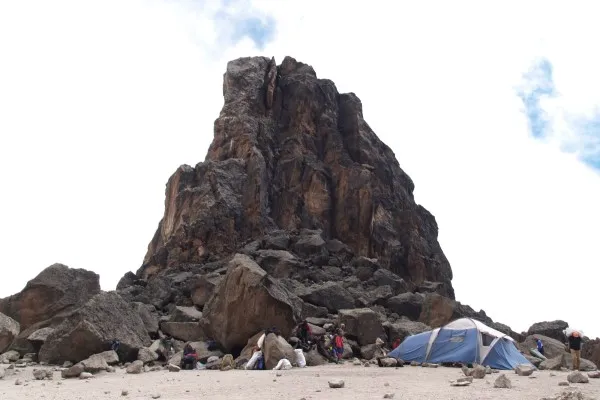
Machame Route
Machame Route
A scenic 7-day camping itinerary with varied landscapes, a climb-high, sleep-low profile and an overnight at Karanga Camp before Barafu.
Why Choose 7-Day Machame?
- One day shorter than our recommended Lemosho itinerary
- Uses a climb-high, sleep-low profile on key stages
- Includes a separate overnight at Karanga Camp before Barafu
- Good option for climbers with a slightly tighter schedule
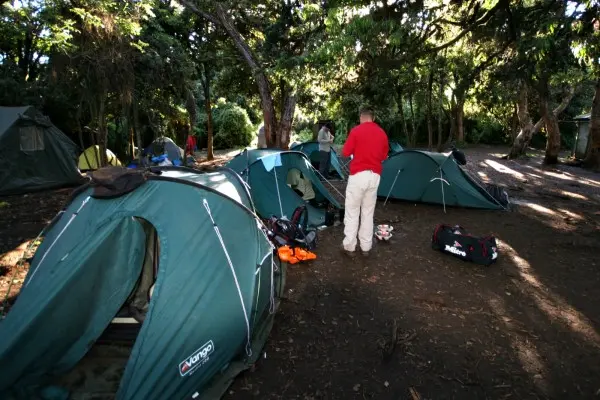
Lemosho Route
Lemosho Route
A scenic 8-day western approach with an additional early mountain day before the route joins the southern circuit towards Barranco.
Why Choose 8-Day Lemosho?
- Additional mountain day compared with 7-day Machame
- More gradual ascend in early stages the hike.
- Uses climb-high, sleep-low opportunities later in the route
- Our preferred option when additional acclimatisation time is a priority
Seven Mountain Days Suit Your Schedule
You want a well-paced itinerary with good acclimatisation opportunities but prefer to keep the mountain portion of your trip to seven days.
You Can Allow One Extra Mountain Day
You can allow eight mountain days and prefer the longer western approach with an additional early stage before reaching Shira 2.
How Many Days Should You Allow for the Entire Kilimanjaro Trip?
Your mountain itinerary is not the same as your total trip length. You also need to allow time before the climb for your briefing and equipment check, as well as a night in Moshi after descending from Kilimanjaro.
Your Kilimanjaro Package Extends Beyond the Mountain Days
With the standard pre- and post-climb arrangements, a 7-day Machame climb forms part of a 9-day Kilimanjaro package, while an 8-day Lemosho climb forms part of a 10-day package. International travellers may choose to allow additional time before or after these arrangements.
7-Day Machame Package
Pre-Climb Arrangements
Attend your pre-climb briefing, health check and equipment check in Moshi before starting the trek.
Seven Days on Kilimanjaro
Follow our recommended 7-day Machame itinerary, from the starting gate through to Uhuru Peak and the final descent.
Post-Climb Night
Return to Moshi after the climb and spend the night resting before your onward journey.
8-Day Lemosho Package
Pre-Climb Arrangements
Attend your pre-climb briefing, health check and equipment check in Moshi before starting the trek.
Eight Days on Kilimanjaro
Follow our recommended 8-day Lemosho itinerary from the western side of Kilimanjaro through to Uhuru Peak and the final descent.
Post-Climb Night
Return to Moshi after the climb and spend the night resting before your onward journey.
Frequently Asked Questions
Answers to common questions about how long it takes to climb Kilimanjaro, route duration, summit day and planning enough time for your trip.
What is the minimum number of days needed to climb Kilimanjaro?
Some Kilimanjaro itineraries can be completed in as little as 5 days, depending on the route. However, shorter itineraries provide less time for your body to acclimatise as you gain altitude. For most climbers, KHT recommends the 7-day Machame or 8-day Lemosho itinerary rather than choosing the shortest possible climb.
Is 7 days enough to climb Kilimanjaro?
Yes. A well-planned 7-day itinerary can provide a good balance between time on the mountain and opportunities to acclimatise. Our recommended 7-day Machame Route includes a separate overnight at Karanga Camp before continuing to Barafu. If you can allow an additional mountain day, you may prefer our 8-day Lemosho Route, which provides additional time for acclimatisation.
Is 8 days better than 7 days for climbing Kilimanjaro?
Not necessarily, but an additional day can be beneficial for acclimatisation. An 8-day itinerary gives you more time on the mountain and can allow a more gradual ascent. This is one reason we favour the 8-day Lemosho itinerary when a climber's schedule allows. That does not mean every 8-day itinerary is automatically better for every climber. Route profile, pacing, individual response to altitude and overall preparation also matter.
How long does it take to reach the summit of Kilimanjaro?
Kilimanjaro is climbed over several days, but the final summit ascent usually begins around midnight, with climbers aiming to reach Uhuru Peak in the early morning before descending. The number of hours required varies according to the route, conditions, pace and individual climber. Summit day is generally the longest and most demanding stage of the climb, so it should not be confused with the total number of days required to climb Kilimanjaro.
How many days should I spend in Tanzania for a Kilimanjaro climb?
Allow more time than the mountain itinerary itself. With our standard pre- and post-climb arrangements, a 7-day Machame climb forms part of a 9-day Kilimanjaro package, while an 8-day Lemosho climb forms part of a 10-day package. For international travellers, we recommend allowing additional time before the climb rather than relying on the minimum package schedule, particularly in case of flight delays or delayed luggage.
Which Kilimanjaro route is best if I have limited time?
If your available time is limited, consider both the number of mountain days and the time available for acclimatisation. Shorter itineraries such as Marangu can reduce the number of days on the mountain, but they also provide less time to adjust to altitude.
If you can allow seven mountain days, our recommended 7-day Machame Route provides a good balance between trip duration and opportunities to acclimatise..
Not Sure How Many Days You Need for Kilimanjaro?
We can help you choose a Kilimanjaro route and itinerary that suits your available time, trekking preferences and travel plans. Our most recommended options are the 7-day Machame and 8-day Lemosho itineraries, both designed to allow more time for acclimatisation than the shortest Kilimanjaro itineraries.