
Can a beginner climb Kilimanjaro? Yes. Kilimanjaro can be climbed by beginners and you do not need previous mountaineering or technical climbing experience.
The standard Kilimanjaro trekking routes do not require ropes, technical climbing skills or specialist mountaineering equipment. However, Kilimanjaro is still a demanding high-altitude trek, so beginners need suitable fitness, preparation and enough time to acclimatize.
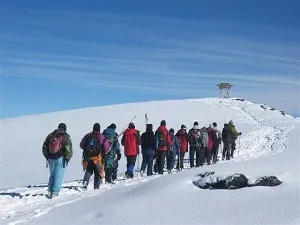
Do I need climbing experience for Kilimanjaro?
No. Many people climb Kilimanjaro as their first high-altitude mountain. Previous hiking experience is useful, but you do not need to have climbed another mountain before attempting Kilimanjaro.
What matters more is being prepared for several consecutive days of walking, including steep and uneven terrain, while your body adjusts to increasing altitude.
Is Kilimanjaro a technical climb?
No. The standard Kilimanjaro routes are trekking routes rather than technical mountaineering climbs.
You do not normally need ropes, harnesses, ice axes or rock-climbing skills. The main challenges are altitude, long hiking days, cold conditions and the physical and mental demands of summit night.
How fit does a beginner need to be?
You do not need to be an elite athlete, but you should have enough cardiovascular fitness and walking endurance to hike for several hours on consecutive days.
Beginners should train before the climb, ideally including regular walking or hiking, hills, stairs and longer endurance sessions.
Which Kilimanjaro routes are suitable for beginners?
For first-time climbers, we generally recommend routes that allow more time for acclimatization.
Our 8-day Lemosho Route offers excellent acclimatization and a gradual approach to the mountain, while the 7-day Machame Route is another popular option with a good acclimatization profile.
Short itineraries give your body less time to adjust to altitude, so they are not normally our first recommendation for inexperienced climbers.
How should a beginner prepare for Kilimanjaro?
Start training well before your climb and gradually increase the amount of walking you do. Whenever possible, train on hills and uneven terrain while wearing the boots and daypack you plan to use on Kilimanjaro.
You should also arrive with suitable clothing and equipment and understand that the trek becomes progressively harder as you gain altitude.
Preparing for your first Kilimanjaro climb?
See our Kilimanjaro training guide for a structured training plan.
If you are concerned about your current fitness level, read Can an Unfit Person Climb Kilimanjaro?
You can also read our complete Kilimanjaro preparation guide .