
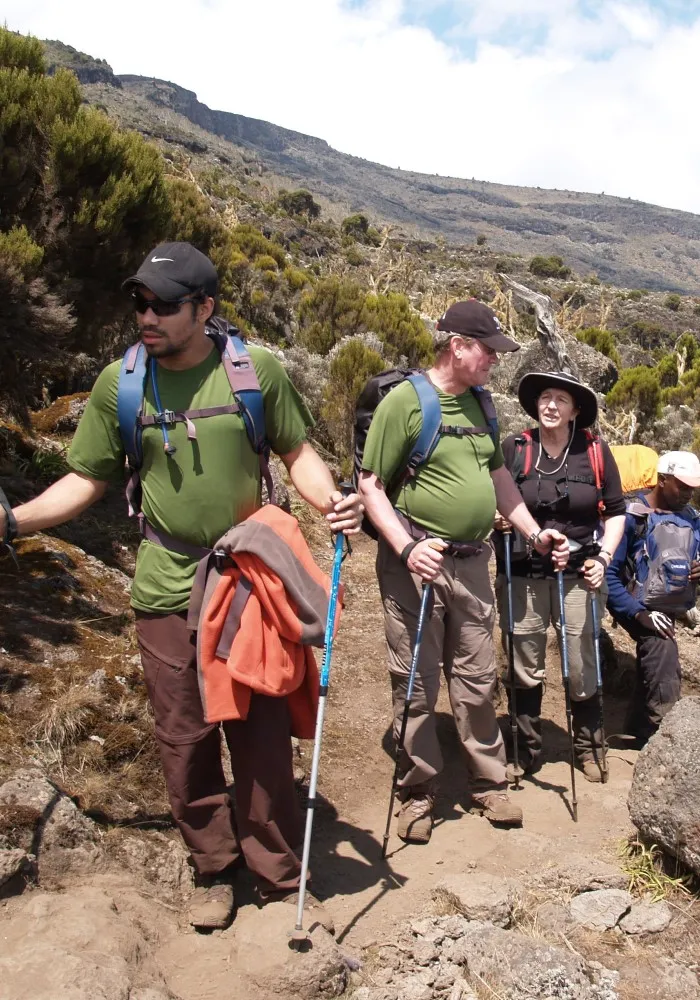
Hikers walking uphill on Mount Kilimanjaro

Kilimanjaro Fitness Guide

Can an Unfit Person Climb Kilimanjaro?

Yes — but preparation makes a major difference.

Kilimanjaro is a non-technical trek, but climbing it still requires several consecutive days of walking, long hours on your feet and enough endurance to cope with increasingly demanding terrain.
Since 2008 Kilimanjaro Experience
Non-Technical Trek No Climbing Skills Required
Longer Routes Better Acclimatisation
KRTO Partner Responsible Trekking Rated Excellent Trustpilot Reviews

The Short Answer

You Do Not Need to Be an Athlete to Climb Kilimanjaro

Kilimanjaro is a trekking mountain rather than a technical climb. You do not need specialist climbing skills, but you do need enough endurance to walk for several hours a day over multiple consecutive days.

Can an unfit person climb Kilimanjaro?

Yes — someone who is currently unfit may still be able to climb Kilimanjaro, provided they allow enough time to improve their walking endurance and prepare properly before the trek.

What Does “Unfit” Actually Mean?

“Unfit” can mean very different things. Someone who has a sedentary lifestyle but can still walk comfortably for an hour is starting from a very different position from someone who becomes exhausted after a short walk or struggles with ordinary stairs.

For Kilimanjaro, the most important question is not whether you go to the gym or consider yourself athletic. What matters more is whether your body can gradually adapt to spending long periods walking, climbing uphill and repeating that effort day after day.

The good news is that walking endurance can improve significantly with consistent preparation. The earlier you begin, the more time you have to build fitness gradually rather than trying to rush your preparation shortly before departure.

A Good Starting Point

  • You can walk comfortably for at least an hour without needing frequent stops.
  • You can manage stairs or moderate hills without becoming completely exhausted.
  • You are able to train consistently several times each week.
  • You have enough time before departure to build endurance progressively.
  • You are prepared to spend more time walking outdoors as your climb approaches.

Important: Fitness helps you cope with the physical workload of Kilimanjaro, but being fit does not make you immune to altitude sickness. We will cover fitness and acclimatisation separately later in this guide.

Hikers heading uphill along the Shira Ridge on Mount Kilimanjaro
Kilimanjaro Is a Trek — Not an Easy Walk The challenge comes from repeated hiking days, changing terrain and the effects of increasing altitude.

Understanding the Challenge

How Physically Demanding Is Kilimanjaro?

Kilimanjaro does not require ropes, technical climbing skills or previous mountaineering experience on the standard trekking routes. That does not mean the climb is easy.

Most of the challenge comes from spending several consecutive days walking at altitude. You will hike over forest paths, rocky trails, volcanic terrain and long uphill sections while carrying a daypack.

On many days, the pace is deliberately slow to help with acclimatisation. Even so, the accumulated fatigue can become significant because you need to get up and walk again the following morning.

Several Days of consecutive hiking
Long Hours spent walking on your feet
Uphill Terrain with rocks and uneven trails
5,895 m altitude at Uhuru Peak

This is why general health and basic fitness alone are not enough. What helps most is developing the endurance to keep moving steadily for several hours and then repeat that effort over multiple days.

Summit Night Is the Hardest Part

The summit attempt is normally the longest and most demanding part of the climb. You begin during the night, ascend slowly in cold conditions and continue for many hours before descending. Building endurance before your trip makes this physical workload much easier to manage.

Fitness Before Your Climb

How Fit Do You Need to Be to Climb Kilimanjaro?

You do not need elite fitness, but you should arrive with enough endurance to walk comfortably for several hours and repeat that effort over consecutive days.

1

Walk for Several Hours

Before departure, you should be comfortable spending a few hours walking at an easy, steady pace without becoming completely exhausted.

2

Handle Hills and Stairs

Kilimanjaro includes long uphill sections, so regular hills, stair climbing and uneven terrain should form part of your preparation.

3

Recover and Walk Again

One long walk is not enough. You should gradually become accustomed to exercising on consecutive days without feeling completely depleted.

4

Carry a Daypack

Train with the small backpack you expect to carry on the mountain so your shoulders, back and legs become used to walking with it.

5

Keep a Steady Pace

Kilimanjaro is not a race. Being able to maintain a slow, sustainable walking pace is more useful than short bursts of intense effort.

6

Build Fitness Gradually

Your preparation should become progressively more demanding, allowing your body time to adapt instead of trying to gain fitness in the final few weeks.

Think in Terms of Endurance, Not Athletic Ability

Many successful Kilimanjaro hikers are not runners, cyclists or regular gym users. What matters is building the ability to keep walking steadily for long periods while managing fatigue over several days.

A Useful Test

If a two- to three-hour hilly walk leaves you so exhausted that you could not imagine walking again the next day, you probably need more preparation before your Kilimanjaro climb.

These are practical readiness indicators rather than strict entry requirements. Your starting point, age, hiking experience and available preparation time will all influence how much training you need.

Time to Prepare

Can You Get Fit Enough for Kilimanjaro in 8 Weeks?

For many people, eight weeks can make a meaningful difference — especially if you already have a basic level of fitness. But the less active you are when you begin, the more preparation time you should ideally allow.

If You Already Have a Base

Eight Weeks Can Be Enough to Build Trekking Fitness

If you already walk regularly, exercise a few times per week or have reasonable general fitness, an organised eight-week programme can help you become much better prepared for the demands of Kilimanjaro.

  • Gradually increase your walking duration.
  • Add hills and uneven terrain.
  • Practise hiking with your daypack.
  • Include consecutive walking days.
If You Are Starting From Very Little

Give Yourself More Time if Possible

If you currently do very little exercise, struggle with longer walks or become tired quickly on hills, starting earlier gives your body more time to adapt safely and progressively.

  • Begin with manageable walking sessions.
  • Increase duration before increasing intensity.
  • Allow adequate recovery between harder sessions.
  • Avoid trying to cram months of preparation into a few weeks.

Your Training Should Progress Gradually

1 Start Where You Are Build from your current fitness level.
2 Walk Longer Gradually extend your time on your feet.
3 Add Hills Prepare your legs for sustained climbing.
4 Repeat the Effort Introduce back-to-back walking days.

Ready to Start Training?

Our complete Kilimanjaro training guide includes an eight-week progressive programme designed specifically around the demands of multi-day trekking.

View the 8-Week Training Plan

Train for the Mountain

Walking Fitness Matters More Than Gym Fitness

Being strong in the gym can help, but Kilimanjaro rewards a different kind of fitness: the ability to keep walking steadily for long periods over uneven and uphill terrain.

A climber who spends time hiking outdoors, climbing hills and building endurance may be better prepared for Kilimanjaro than someone who is very strong but rarely walks for several hours at a time.

The mountain places repeated demands on your legs, feet, hips and lower back. Training on real trails also helps you become more comfortable using trekking poles, carrying a daypack and dealing with changing surfaces underfoot.

Most Useful

Hiking & Walking

Long walks, hills, stairs, uneven trails and back-to-back hiking days closely match the demands of Kilimanjaro.

Helpful Support

Strength & Cardio

Gym work, cycling, running and strength training can improve general fitness, but they should support rather than replace time spent walking.

If you are starting from a lower fitness base, do not worry about complicated workouts. Consistent walking is one of the simplest and most effective ways to begin preparing for the mountain.
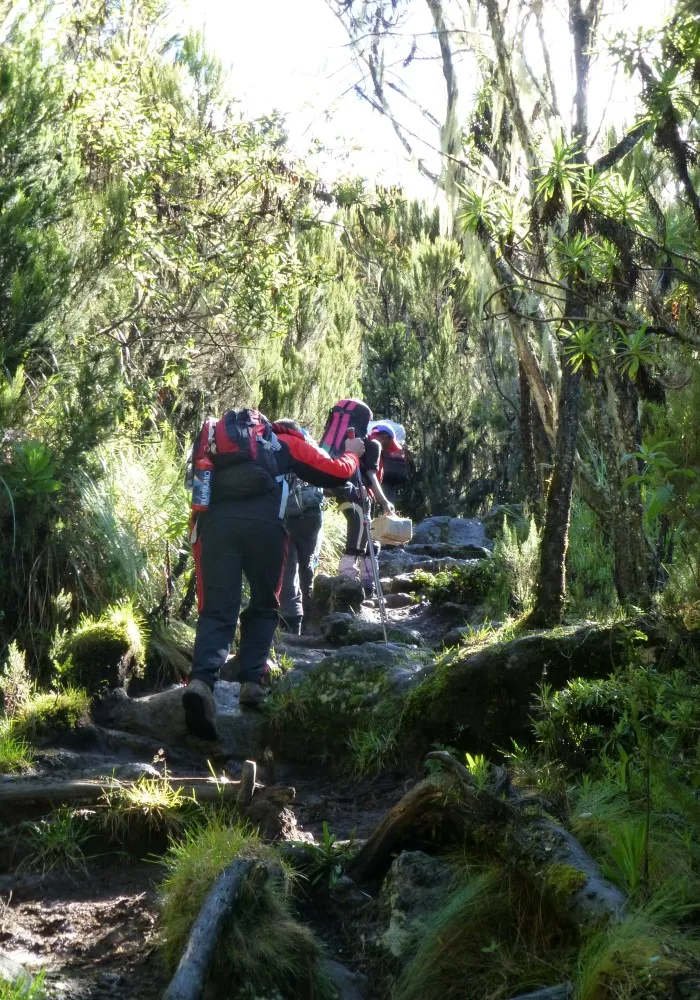
Hikers walking uphill through forest terrain towards Machame Camp on Kilimanjaro
Train for What You Will Actually Do Kilimanjaro is hours of steady walking — not short bursts of maximum effort.

The Goal Is Sustainable Endurance

Your preparation should help you arrive on Kilimanjaro able to walk comfortably at a slow pace for long periods, recover overnight and repeat the effort the following day.
Fitness vs Acclimatisation

Being Fit Does Not Mean You Will Tolerate Altitude Better

Fitness and acclimatisation are two different things. Training can help you cope with the physical work of climbing Kilimanjaro, but it cannot guarantee that your body will adapt well to high altitude.

What Fitness Helps With

Managing the Physical Work

Better walking endurance helps you manage long hiking days, sustained uphill sections, fatigue and the physical demands of summit night.

What Fitness Cannot Guarantee

How Your Body Responds to Altitude

Even very fit people can develop altitude illness. Your body's response to reduced oxygen at altitude is not determined by how strong, fast or aerobically fit you are.

Why Route Length Matters

As you climb higher, your body needs time to adjust to lower oxygen availability. A longer itinerary spreads the ascent over more days, giving your body more opportunity to acclimatise before reaching the highest parts of the mountain.

This is why the shortest Kilimanjaro route is not necessarily the best option for someone who is worried about fitness. A slower, better-paced itinerary can reduce the pressure to gain altitude too quickly and gives you more time to settle into the rhythm of the trek.

Longer routes do not remove the risk of altitude illness, but allowing more time for acclimatisation is one of the most important parts of managing altitude exposure on Kilimanjaro.

Strong Alternative

7-Day Machame Route

Machame remains a good option for hikers who want a scenic route with a solid acclimatisation profile and enough time to progress at a controlled pace.

Think Carefully

Shorter Itineraries

Fewer days on the mountain generally mean less time for your body to adjust to altitude. Route choice should therefore be based on more than simply reaching the summit quickly.

Fit Hikers Still Need to Climb Slowly

One of the most common mistakes strong hikers can make is assuming that fitness means they should move faster. On Kilimanjaro, a slow, controlled pace gives your body more time to respond to increasing altitude. Fitness helps you keep moving; acclimatisation helps your body cope with the environment.

Be Ready Before You Go

When Should You Postpone Your Kilimanjaro Climb?

Postponing a climb is not failure. If your preparation is not where it needs to be, giving yourself more time can make the trek safer, more enjoyable and far less stressful.

Consider Waiting

You May Need More Preparation If...

If several of these points describe your current situation, it may be better to delay your climb and build a stronger base.

  • You become very tired after a short or easy walk.
  • Moderate hills or ordinary stairs are still a major struggle.
  • You have not been able to train consistently.
  • You have very little time left before departure.
  • You cannot yet manage a few hours of steady walking.
  • You are carrying an injury that affects your walking.
Final Readiness Check

You Are in a Better Position If...

  • You can comfortably walk for several hours at an easy pace.
  • You can manage hills and uneven ground without becoming completely exhausted.
  • You have completed some longer walks on consecutive days.
  • You are comfortable carrying your daypack while walking.
  • You recover reasonably well after a long training walk.
  • You understand that Kilimanjaro should be climbed slowly, especially as altitude increases.
  • You are prepared for summit night to be significantly harder than a normal hiking day.

You Do Not Need to Feel “Super Fit”

The goal is not to arrive as the strongest or fastest person on the mountain. You want enough endurance to keep moving steadily, recover between hiking days and still have physical reserves when the climb becomes harder.

If you have a medical condition, a recent injury or concerns about whether strenuous trekking at altitude is appropriate for you, seek advice from a qualified healthcare professional before travelling.

Kilimanjaro Fitness FAQs

Common Questions About Fitness and Climbing Kilimanjaro

Still unsure whether your current fitness level is enough? These are some of the questions we hear most often from hikers preparing for their first Kilimanjaro climb.

Can a completely unfit person climb Kilimanjaro?

Someone who is currently very unfit may still be able to climb Kilimanjaro in the future, but we would not recommend attempting the mountain without first building a reasonable level of walking endurance.

The less active you are when you begin, the more time you should ideally allow for preparation.

Do I need to be very fit to climb Kilimanjaro?

No. You do not need elite fitness or previous mountaineering experience, but you should be comfortable walking for several hours, managing hills and repeating that effort over consecutive days.

Can I climb Kilimanjaro if I do not go to the gym?

Yes. Gym membership is not necessary. Walking, hiking, climbing hills and gradually increasing the amount of time you spend on your feet are highly relevant ways to prepare for Kilimanjaro.

Strength and cardiovascular training can support your preparation, but they should not replace walking.

Is eight weeks enough time to train for Kilimanjaro?

Eight weeks can be enough for someone who already has reasonable basic fitness. If you are starting from a very low fitness level, beginning earlier is preferable.

See our complete 8-week Kilimanjaro training plan for the detailed programme.

Does being fit prevent altitude sickness?

No. Good physical fitness helps you cope with the physical workload of trekking, but it does not make you immune to altitude sickness.

Fitness and acclimatisation are separate issues. Allowing enough time to ascend gradually is therefore important even for very fit hikers.

Which Kilimanjaro route is best if I am worried about fitness?

Route choice should not be based on fitness alone. Longer itineraries allow more time for acclimatisation and usually provide a more gradual approach to the mountain.

We particularly recommend the 8-day Lemosho Route for its gradual acclimatisation profile and scenic approach.

You can compare Kilimanjaro routes here .

Is Kilimanjaro difficult if you are overweight?

Body size alone does not tell you whether you can complete Kilimanjaro. Walking endurance, preparation, recovery between hiking days and your ability to manage sustained uphill walking are more useful indicators.

If you have health concerns or medical conditions, discuss the planned trek with an appropriate healthcare professional before travelling.

How do I know if I should postpone my Kilimanjaro climb?

If you still struggle with ordinary walking, cannot comfortably manage moderate hills, are unable to train consistently or have too little time left to prepare properly, postponing may give you a much better experience on the mountain.

Remember: good fitness makes the physical work of Kilimanjaro easier, but it does not replace acclimatisation. A slow, well-paced ascent remains important regardless of how fit you are.

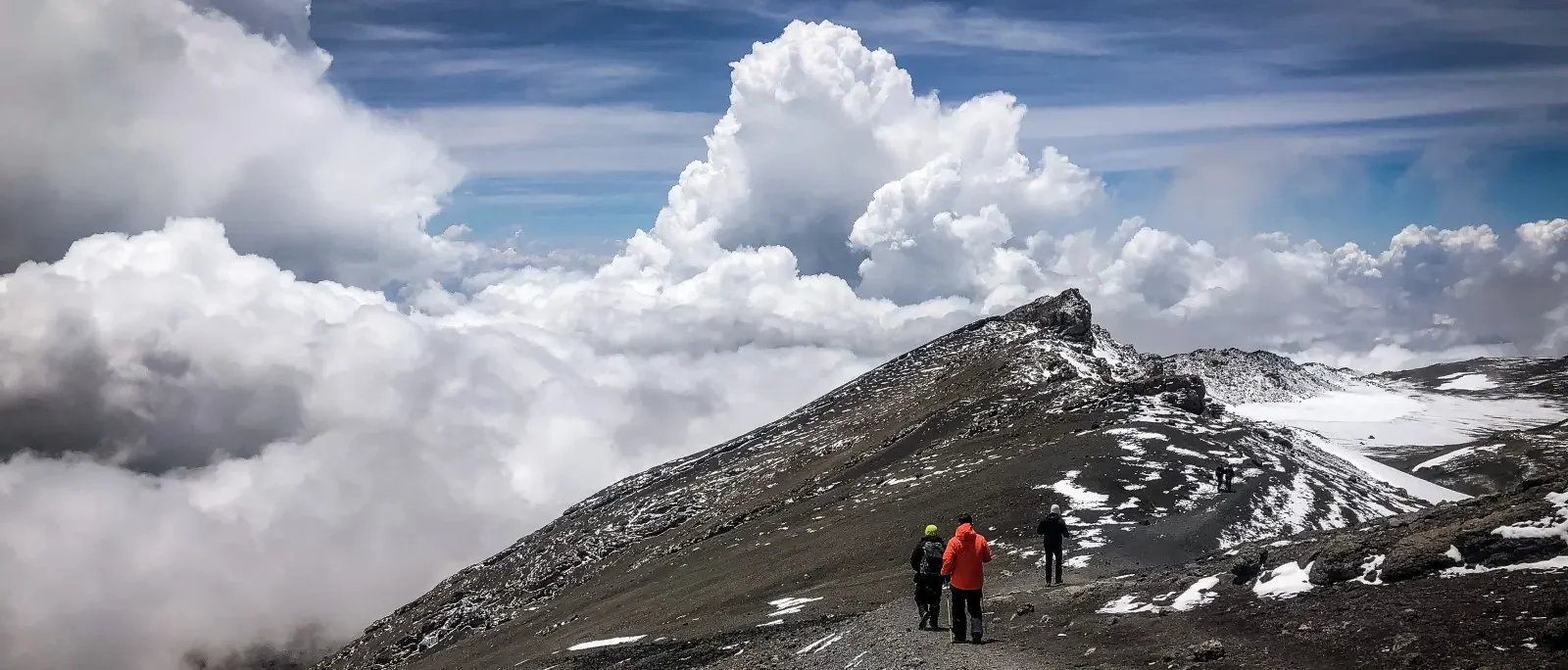
Hikers walking above the clouds on Mount Kilimanjaro

Your Kilimanjaro Goal Is Achievable

Start Preparing for Your Kilimanjaro Climb

You do not need to be an elite athlete to climb Kilimanjaro, but you do need time, consistent preparation and an itinerary that allows your body to adjust gradually. Start building your walking endurance now, then let us help you choose the right route and climb for your experience and goals.

Since 2008 Small Groups Experienced Guides