Practical Advice for Your Climb

Climbing Kilimanjaro Advice: Practical Tips for a Successful Trek

Good preparation matters, but so do the decisions you make once you are on the mountain. These practical Kilimanjaro tips cover pacing, altitude, hydration, gear and summit night to help you arrive better prepared for your climb.

  • Pace yourself
  • Respect the altitude
  • Eat & drink regularly
  • Listen to your guide
15+ Years Kilimanjaro Experience
Small Groups Maximum 12 hikers
KPAP & KRTO Independent Monitoring
Emergency Oxygen Carried on every climb
Daily Health Checks Throughout your climb
Before You Start

The Most Important Advice for Climbing Kilimanjaro

The best climbing Kilimanjaro advice is surprisingly simple: take your time. Kilimanjaro is not a race, and feeling strong at the beginning does not mean you should walk faster. A steady pace gives your body more time to adjust as you gain altitude.

Just as important is looking after the basics every day. Drink regularly, eat even when altitude affects your appetite, protect yourself from the sun and cold, and tell your guide if you develop a headache, nausea, unusual fatigue or other symptoms. Small decisions made consistently throughout the climb can make a significant difference.

01

Go Pole Pole

Walk slowly and steadily from the beginning — even when the pace feels easier than you expected.

02

Eat & Drink Regularly

Keep drinking throughout the day and try to eat at meals, even if altitude begins to reduce your appetite.

03

Speak Up Early

Don't hide how you feel. Tell your guide about symptoms or concerns so they can monitor you properly.

04

Think One Day at a Time

Don't spend the whole trek worrying about summit night. Concentrate on today's walk, today's meals and getting a good night's rest.

From Our Mountain Team

One of the most common mistakes is starting too fast because the first day feels easy. Save that energy. There is no prize for reaching camp first.

Pace & Altitude

Walk Slowly — Even When You Feel Strong

“Pole pole” — Swahili for “slowly, slowly” — is more than a phrase you will hear on Kilimanjaro. It is one of the most useful habits you can adopt from the first day of your climb.

The lower slopes may feel comfortable, particularly if you have trained well. Resist the temptation to push the pace. As you climb higher, your body has to adjust to decreasing oxygen availability, and giving yourself time is far more important than reaching camp quickly.

Follow the pace set by your guide, take the planned breaks and don't worry about hikers who appear to be moving faster. Kilimanjaro rewards consistency more than speed.

Remember
Start slowly from Day 1 Don't wait until you reach higher altitude before reducing your pace.
Don't compete with other hikers People acclimatise differently. Someone else's walking speed tells you very little about how your own body is adjusting.
Choose enough days on the mountain KHT generally favours the 8-day Lemosho and 7-day Machame itineraries because they allow more time for acclimatisation than shorter alternatives.
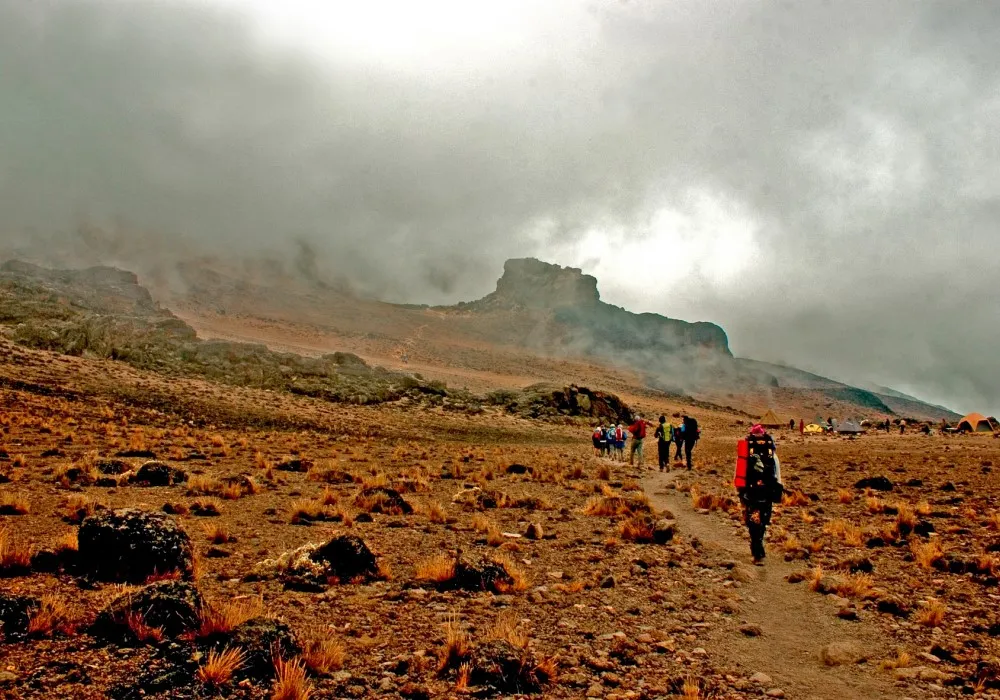
Kilimanjaro hikers walking towards Lava Tower
Hikers on the way to Lava Tower

A steady pace becomes increasingly important as you gain altitude.
Fuel Your Climb

Keep Eating and Drinking — Even When You Don't Feel Like It

Long days of hiking, dry mountain air and increasing altitude make regular food and fluids important throughout your Kilimanjaro climb. Don't wait until you feel very thirsty before drinking, and don't skip meals simply because your appetite has dropped.

Altitude can affect appetite, particularly higher on the mountain. You may not always feel like eating a full meal, but your body is still working hard. Eat what you can, take your time at meals and keep a few familiar snacks in your daypack for the trail.

Drink Little and Often

Take regular drinks while walking rather than trying to catch up with a large amount at camp. A hydration bladder is convenient during normal trekking days, while bottles are particularly useful in very cold conditions.

Don't Ignore a Poor Appetite

If you don't feel hungry, try smaller amounts rather than simply skipping the meal. Tell your guide if poor appetite is accompanied by headache, nausea or other symptoms.

Carry Snacks You Know You Will Eat

Bring a few familiar, energy-dense snacks you genuinely enjoy. Summit night is not the time to discover that the energy bar you packed at home is something you cannot stomach.

Summit Night Tip

Hydration bladder hoses can freeze in very cold conditions. Keep your water bottles protected or insulated and follow your guide's advice for preventing your drinking water from freezing.

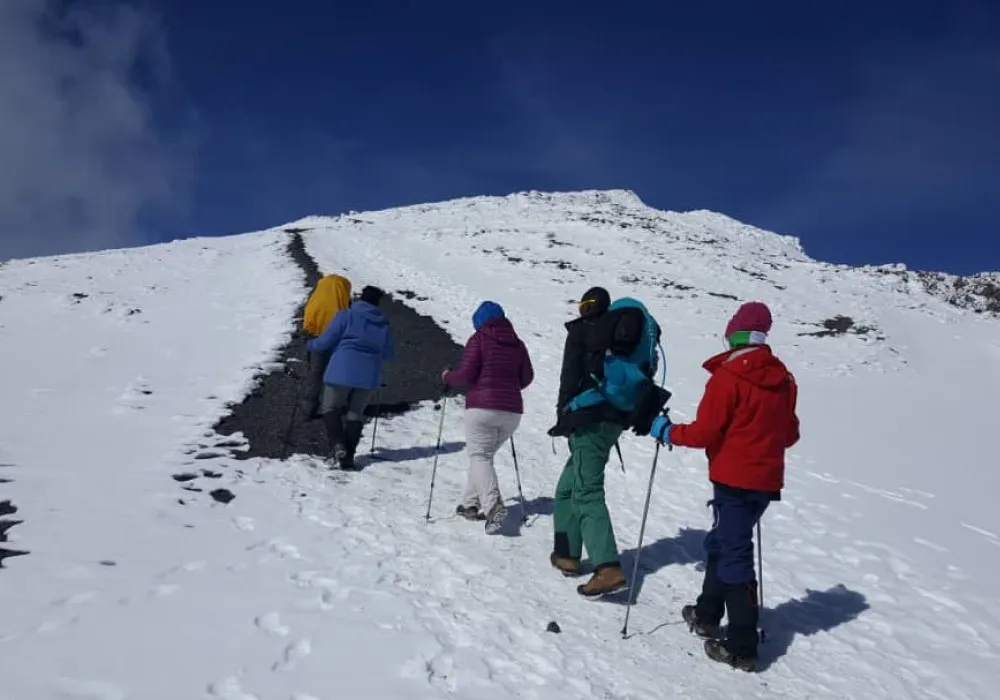
Kilimanjaro hikers walking through snow on the way to Uhuru Peak
Hikers on the way to Uhuru Peak

Conditions high on Kilimanjaro can be very different from those experienced on the lower slopes.

Stay Warm & Dry

Dress for Changing Conditions — Not Just the Weather at the Gate

Kilimanjaro can take you from warm lower slopes to wind, freezing temperatures and sometimes snow higher on the mountain. What feels comfortable when you start walking in the morning may be completely wrong a few hours later.

The practical answer is layering. Add or remove layers before you become excessively hot or cold, and keep your waterproof outer layers accessible rather than buried in your duffel. The clothing you may need during the hiking day belongs in your daypack — your porter-carried duffel is generally not accessible until you reach camp.

Summit night requires particular attention. You will be walking slowly in very cold conditions, usually starting at around 23:00, so the clothing system that worked during an ordinary trekking day will need additional insulation.

01
Don't Wait Until You're Cold

Add a layer when conditions begin changing rather than waiting until you are already uncomfortable.

02
Avoid Getting Too Hot

Sweating heavily into your clothing can leave you colder when you stop or conditions change.

03
Keep Rain Gear Accessible

Weather can change quickly. Keep your waterproof jacket and trousers somewhere you can reach during the hiking day.

04
Prepare Summit Clothing Beforehand

Organise your layers, gloves, headwear and other summit equipment before you go to sleep.

From Our Mountain Team

Your duffel travels with the porters. If you might need something while you are walking — rain gear, an extra layer, gloves, sun protection or snacks — carry it in your daypack.

Listen to Your Body

Tell Your Guide How You Really Feel

Kilimanjaro is not the place to hide a headache, nausea or unusual fatigue because you are worried that mentioning it might end your climb. Your guide needs an honest picture of how you are feeling to monitor you properly as you gain altitude.

KHT guides carry out regular health checks during the climb and may use a pulse oximeter as one part of that assessment. But a number on a device does not tell the whole story. How you feel, how you are walking, whether you are eating and drinking, and whether your symptoms are changing are all important.

Speak up when something feels different. Reporting a symptom does not automatically mean your climb is over — it gives your guide information they can use when deciding what should happen next.

Important

Reaching the summit is never more important than your safety. If your guide determines that continuing higher is unsafe, follow their instructions.

Summit Night

Take Summit Night One Step at a Time

Summit night is often the toughest part of a Kilimanjaro climb. You start late at night, walk for hours in the dark and cold, and the slow pace can make the summit feel a very long way away.

Try not to spend those hours constantly calculating how far you still have to go. Follow the person in front of you, keep to your guide's pace and concentrate on the next few steps. Breaking the climb into smaller pieces can make a long night feel much more manageable.

You may also have moments when you feel tired, frustrated or begin questioning whether you can continue. That does not automatically mean something is wrong. But there is an important difference between being tired and developing symptoms that concern your guide — which is why the honest communication we discussed above remains essential.

01

Don't Race the Mountain

Maintain the slow pace set by your guide. Summit night is about steady progress, not speed.

02

Think in Small Goals

Focus on the next break, the next landmark or simply the next few steps rather than constantly thinking about Uhuru Peak.

03

Keep Eating and Drinking

Use your breaks to drink and take small amounts of food if you can. Don't wait until you feel completely depleted.

04

Listen to Your Guide

Encouragement is important, but so is knowing when it is unsafe to continue. Follow your guide's instructions.

A Major Milestone

Reaching Stella Point Isn't Quite the End

Reaching Stella Point is a major milestone, but Uhuru Peak still lies ahead. Take the break your guide gives you, regroup and continue at the same steady pace.

From Our Mountain Team

You don't need to feel strong every minute of summit night. Concentrate on staying steady, communicating with your guide and dealing with the mountain one stage at a time.
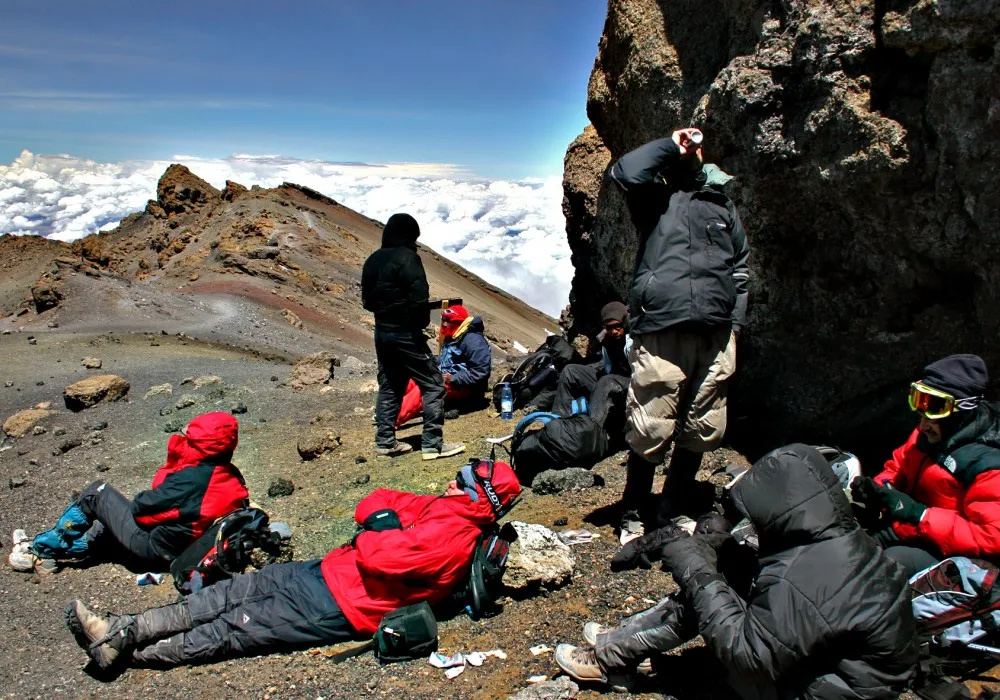
Kilimanjaro hikers resting at Stella Point during their summit climb
Resting at Stella Point

Resting at Stella Point before continuing towards Uhuru Peak.

Before You Leave for Tanzania

A Few Things to Get Right Before Your Kilimanjaro Climb

Good decisions on the mountain start with good preparation at home. You don't need to control every detail, but you should arrive knowing that your fitness, footwear, equipment and travel arrangements have been properly prepared.

The final weeks before your climb are better spent checking the essentials than worrying about whether you have trained enough or bought every possible piece of mountain gear.

01

Train Consistently

You don't need elite fitness, but you should arrive comfortable with long periods of walking and consecutive days of activity.

02

Break In Your Footwear

Don't arrive in Tanzania with hiking boots you have never worn on a proper walk.

03

Test Your Gear

Wear your layers, use your daypack and check that important equipment actually fits and works before you travel.

04

Check Your Packing List

Separate what you'll carry during the hiking day from the equipment that travels in your porter-carried duffel.

05

Sort Out Travel & Insurance

Make sure your passport, visa arrangements, travel insurance and flight details are dealt with before departure.

06

Arrive Ready to Listen

Your briefing and mountain guides are there for a reason. Ask questions, follow instructions and don't arrive determined to climb Kilimanjaro according to a plan you made at home.

Continue Preparing

Get Ready for Your Kilimanjaro Climb

Fitness & Training

Kilimanjaro Training Plan

Build the fitness and endurance needed for several consecutive days of trekking.

View Training Plan →
Clothing & Equipment

Kilimanjaro Packing List

Check the clothing and equipment you should bring for your climb.

View Packing List →
Plan Your Climb

Prepare to Climb Kilimanjaro

Work through the wider practical preparation before travelling to Tanzania.

Preparation Guide →
One Final Piece of Advice

Don't try to solve Kilimanjaro before you arrive. Prepare properly, choose an itinerary that gives you enough time, and then take the climb one day at a time.

Common Questions

Climbing Kilimanjaro Advice FAQs

Quick answers to some of the most common questions about preparing for Kilimanjaro, staying comfortable on the mountain and approaching summit night.

What is the most important advice for climbing Kilimanjaro?

Take your time. Walk at the pace set by your guide, give yourself enough days to acclimatise, eat and drink regularly, and be honest about how you are feeling. Kilimanjaro rewards steady progress far more than speed.

How fit do you need to be to climb Kilimanjaro?

You don't need to be an elite athlete, but you should be comfortable walking for several hours and doing this on consecutive days. Training should focus on walking endurance, hills, leg strength and gradually increasing the amount of time you spend on your feet. See our Kilimanjaro Training Plan for more detailed preparation.

What is the biggest mistake people make when climbing Kilimanjaro?

Starting too fast is one of the mistakes we regularly caution against. The lower slopes can feel relatively easy, but there is little benefit in reaching camp first. Start slowly from the beginning and save your energy for the higher days and summit night.

What should I carry in my daypack on Kilimanjaro?

Carry the things you may need while walking, including water, snacks, rain protection, an extra layer, sun protection and personal essentials. Your main duffel travels with the porters and is generally not accessible until you reach camp. See our Kilimanjaro Packing List for the complete equipment guide.

What should I do if I feel unwell on Kilimanjaro?

Tell your guide. Don't hide symptoms because you are worried they might affect your chance of reaching the summit. Your guide needs to know how you are feeling so they can monitor you and decide what action is appropriate. Read more about altitude sickness and safety on Kilimanjaro .

What is the best advice for Kilimanjaro summit night?

Keep it simple: stay warm, follow your guide's pace, drink and eat during breaks where possible, and concentrate on one stage at a time rather than constantly thinking about the summit. If your guide has concerns about your safety, follow their instructions.

Ready to Climb Kilimanjaro?

Put the Advice Into Practice on Your Kilimanjaro Climb

Good preparation gets you to the mountain. Once you are there, taking your time, listening to your guide and approaching each day steadily can make a real difference. Explore our upcoming group climbs or talk to us about planning your Kilimanjaro adventure.

✓ 15+ Years Experience
✓ 95% Summit Success
✓ Small Groups
✓ Daily Health Checks

Leave a Reply